
blog
ALL | ABOUT MY WORK | EVERYTHING ELSE

AN ONCOLOGIST AND AN ARTIST WALK INTO A BAR . . .
After my opening at the Soprafina Gallery in Boston several years ago, friends invited me to dinner with an oncologist* and his wife. Over the meal, he told me about his research. He had access to mountains of data collected from patients over many years, and he and his team were struggling to mine it for patterns that might predict cancer. This was before artificial intelligence could handle such a task. He had resorted to color-coding the data. I told him he was heading for trouble.
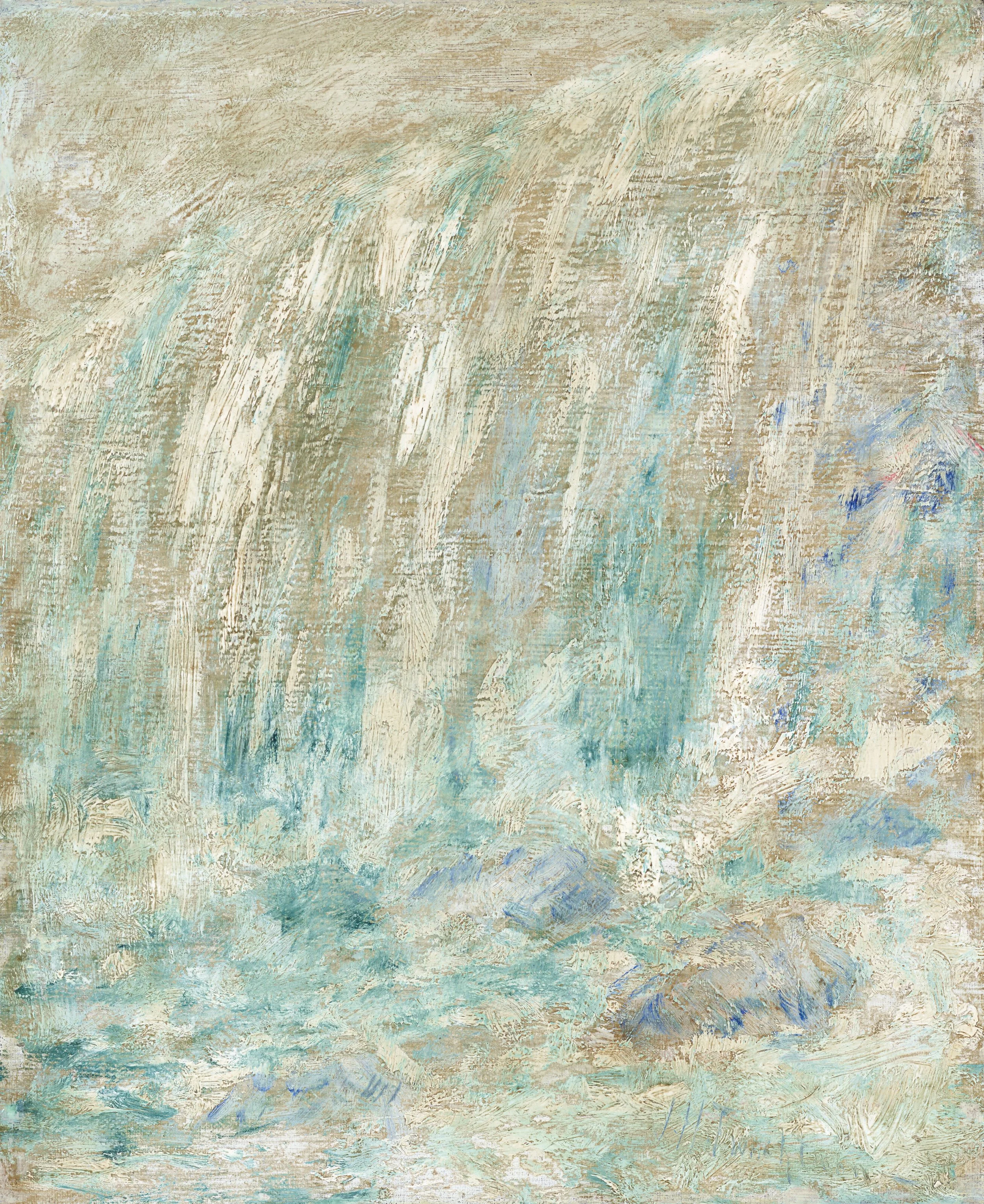
IS AN ARTIST’S PALETTE BIOLOGY OR TASTE?
I once attended a dinner at Jan and Warren Adelson’s home. Their New York gallery is known for its collection of American Impressionists and the work of John Singer Sargent. As I moved through the house during this charity event for the Hudson River Museum, I began to recognize paintings at a glance—Sargent and Eakins, a drawing by Ingres, a grisaille gouache by Homer, a medallion by Saint-Gaudens. Nothing was labeled. It was a home, not a museum. But the work announced itself.
Then, over a desk, there was a painting that stopped me. At first, it looked like scratches of color. After a moment, a waterfall began to resolve, but what held me was the color—a very particular Veronese green. And then it clicked: Twachtman. John Henry Twachtman. Adelson confirmed it.
I’ve always been struck by how specific an artist’s palette can be. Not just a preference for color, but something closer to identity.

AN ONCOLOGIST AND AN ARTIST WALK INTO A BAR . . .
After my opening at the Soprafina Gallery in Boston several years ago, friends invited me to dinner with their friends—an oncologist and his wife. Over the meal he told me about his research. He had access to mountains of data collected from patients over many years, and he and his team were struggling to mine the information for patterns that might predict cancer.