
blog
ALL | ABOUT MY WORK | EVERYTHING ELSE
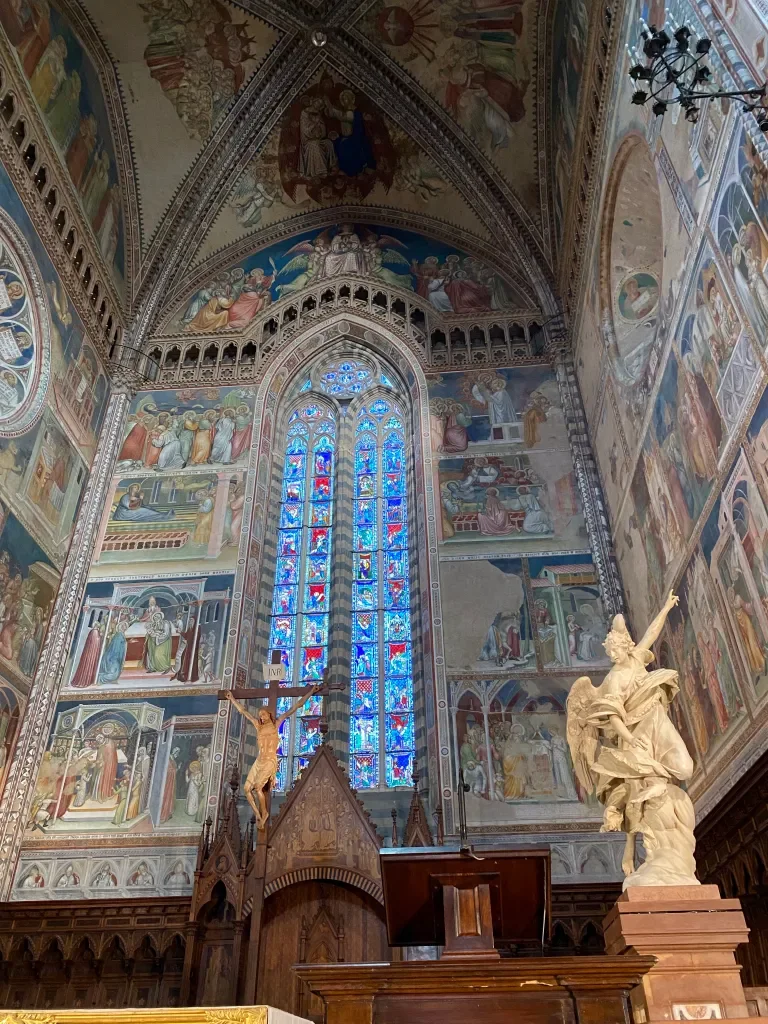
GENTILE DA FABRIANO: THE ARTIST BEHIND THE BELLINI WORKSHOP
When Jacopo Bellini joined Gentile da Fabriano’s workshop, he wasn’t just learning to grind pigment and paint a hand. Gentile was one of the most successful artists in Italy, and for the next decade or more Jacopo followed him from city to city: Venice, Brescia, probably Fabriano, then Florence, and perhaps beyond. Gentile worked for Pandolfo Malatesta, lord of Brescia, for Palla Strozzi, one of the richest men in Florence, and in the end for the pope. Jacopo was learning to paint. He was also watching a man run an art business.
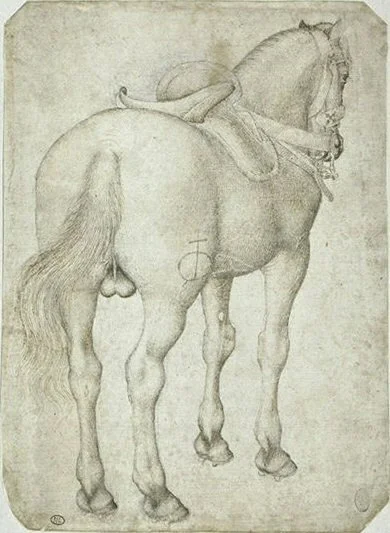
PISANELLO: THE OTHER HEIR TO GENTILE’S WORLD
Scholars disagree about where Pisanello fits. Luke Syson and Dillian Gordon, who organized the National Gallery’s Pisanello exhibition in 2001, argue that he was Gentile’s pupil and then worked beside him in Venice on the great narrative cycle in the Hall of the Great Council. Keith Christiansen, Gentile’s biographer, wasn’t convinced. He thought the dates too murky to prove that Pisanello was a pupil, and he allowed that Pisanello may have been closer to a colleague. Jacopo, on the other hand, joined Gentile as a boy and stayed for years. Nobody can show that all three ever worked in the same room.
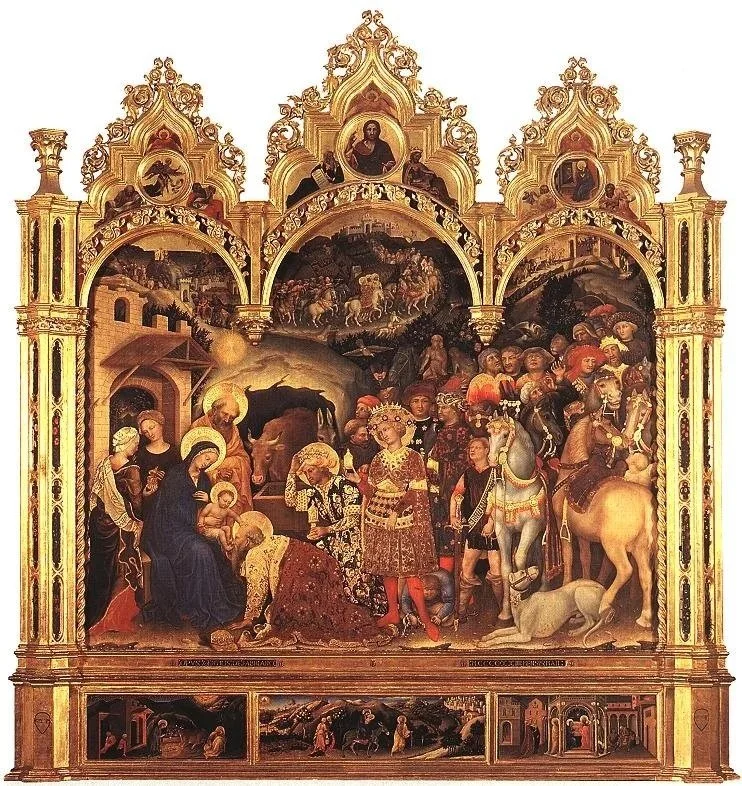
JACOPO BELLINI ARRIVES IN FLORENCE: THE FUTURE IS ALREADY THERE
Back in 1419, when Gentile da Fabriano left Brescia with his young Venetian assistant, Jacopo Bellini, in tow, he wasn’t really headed to Florence. He was headed to the pope. Martin V, newly elected and not yet able to return to Rome, was living at Santa Maria Novella, and Gentile had promised to join him once he finished the chapel he was painting for Pandolfo Malatesta in Brescia. He made his way south by way of Fabriano, and by 1420 he had rented a house and workshop in Florence near Santa Trinita. The pope soon moved on to Rome. Gentile stayed, because Palla Strozzi made him an offer.
JACOPO BELLINI: FIGHT OR FLIGHT? HOW ABOUT BOTH
In June 1423, Jacopo Bellini was living in Gentile da Fabriano’s house in Florence, working on the most important commission of his master’s career. Then he got into a fight.
Paintings from the workshop had been set out to dry in the courtyard, and a group of boys started throwing stones at them. Jacopo went out to stop them. He singled out one, Bernardo, who was big enough that Jacopo took him for nearly grown. Words passed, Bernardo taunted him, and they came to blows. Bernardo later told the court that Jacopo had hit him on the arm with a wooden bat. It may well have been a fistfight that acquired a weapon somewhere between the courtyard and the courtroom. The real problem was Bernardo’s father, Silvestro, a Florentine notary with friends in the city’s courts.
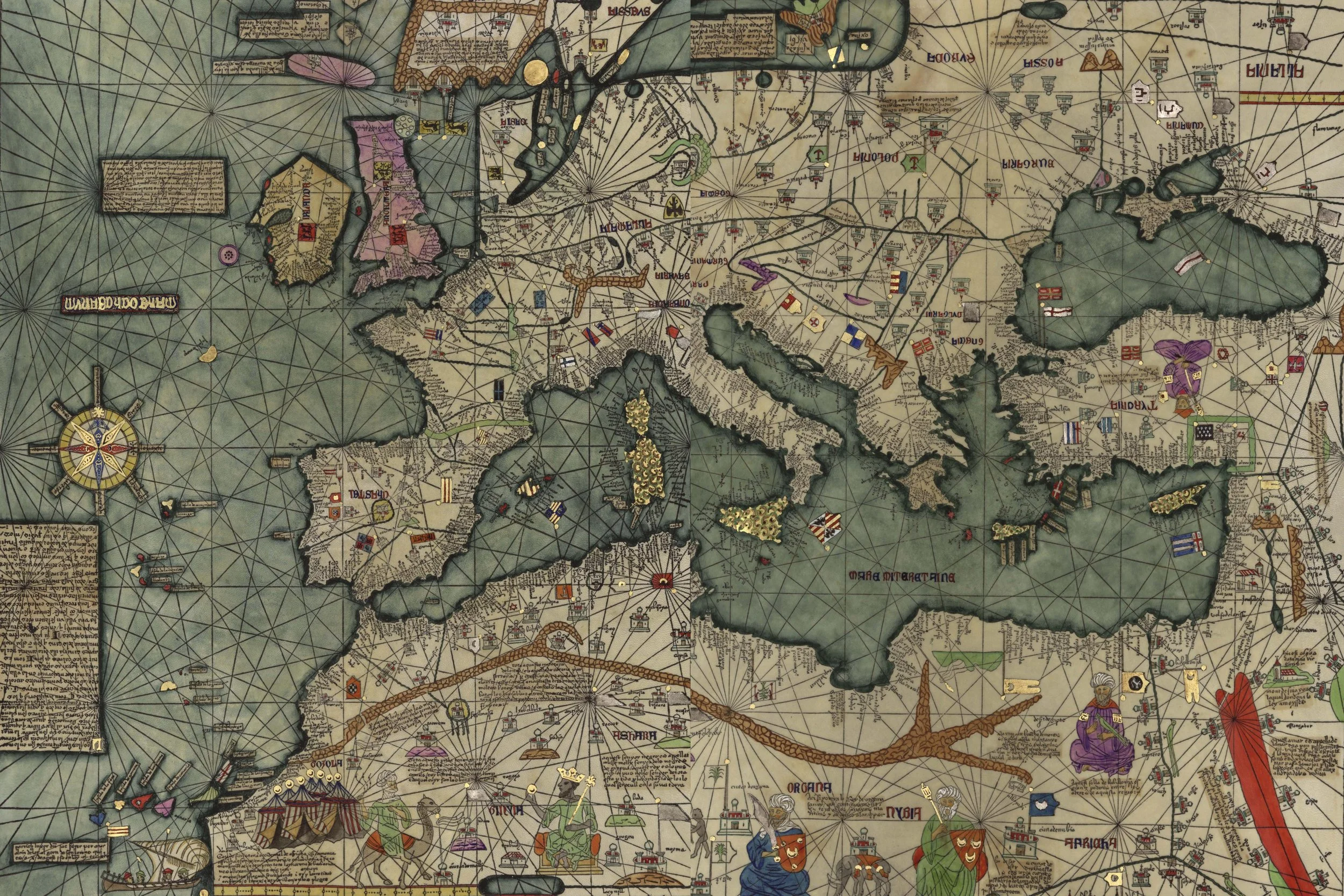
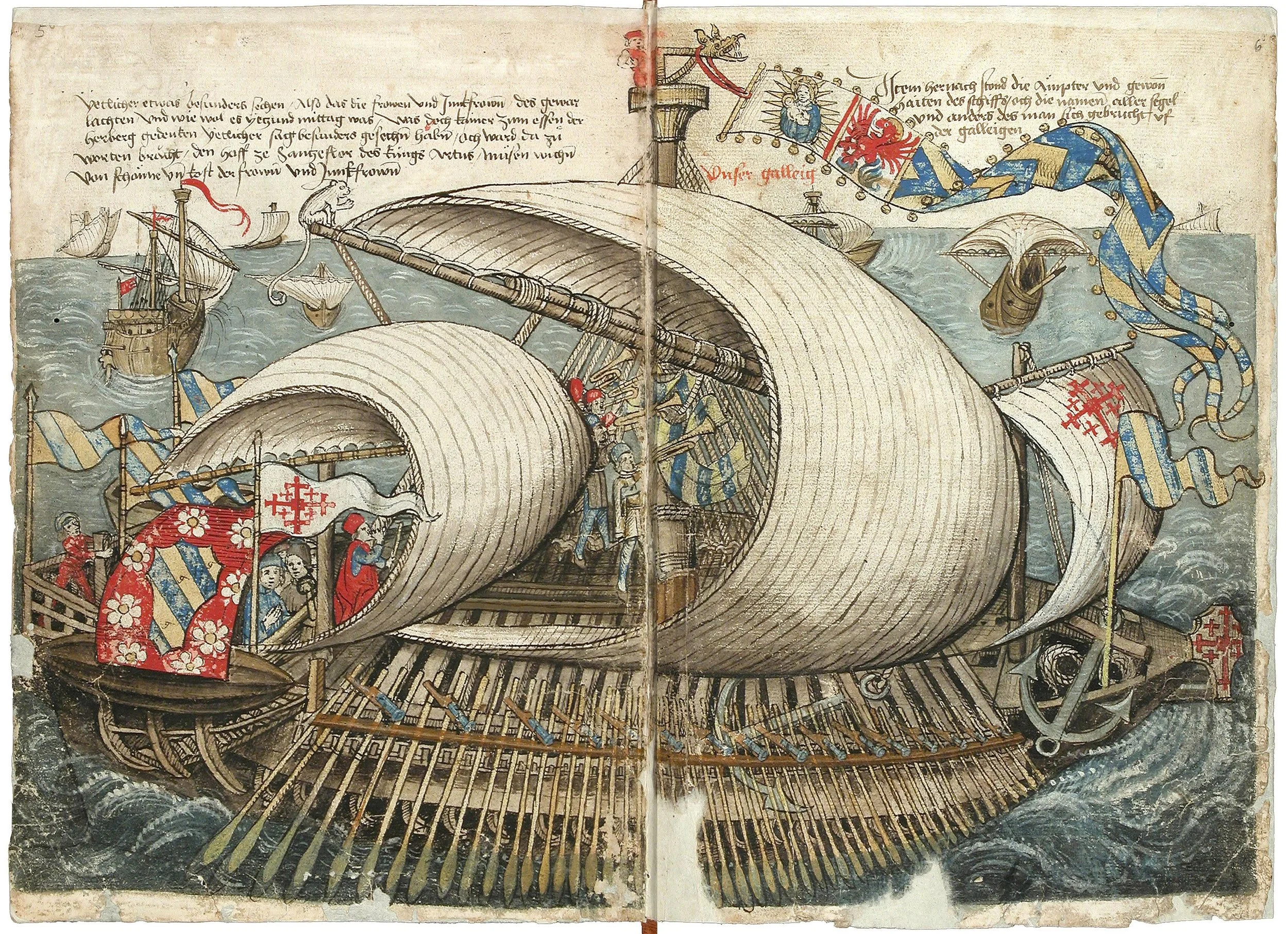
JACOPO ON BOARD: IMAGINING LIFE ON A GALLEY IN 1423
When Jacopo Bellini fled Florence in the summer of 1423 to avoid retribution over his fight with Bernardo (see Jacopo Bellini: Fight or Flight), he didn’t just catch a boat out of town. He signed on as a hired seaman in Florence’s brand-new merchant galley system, and he stayed in it, or somewhere close to it, for well over a year.
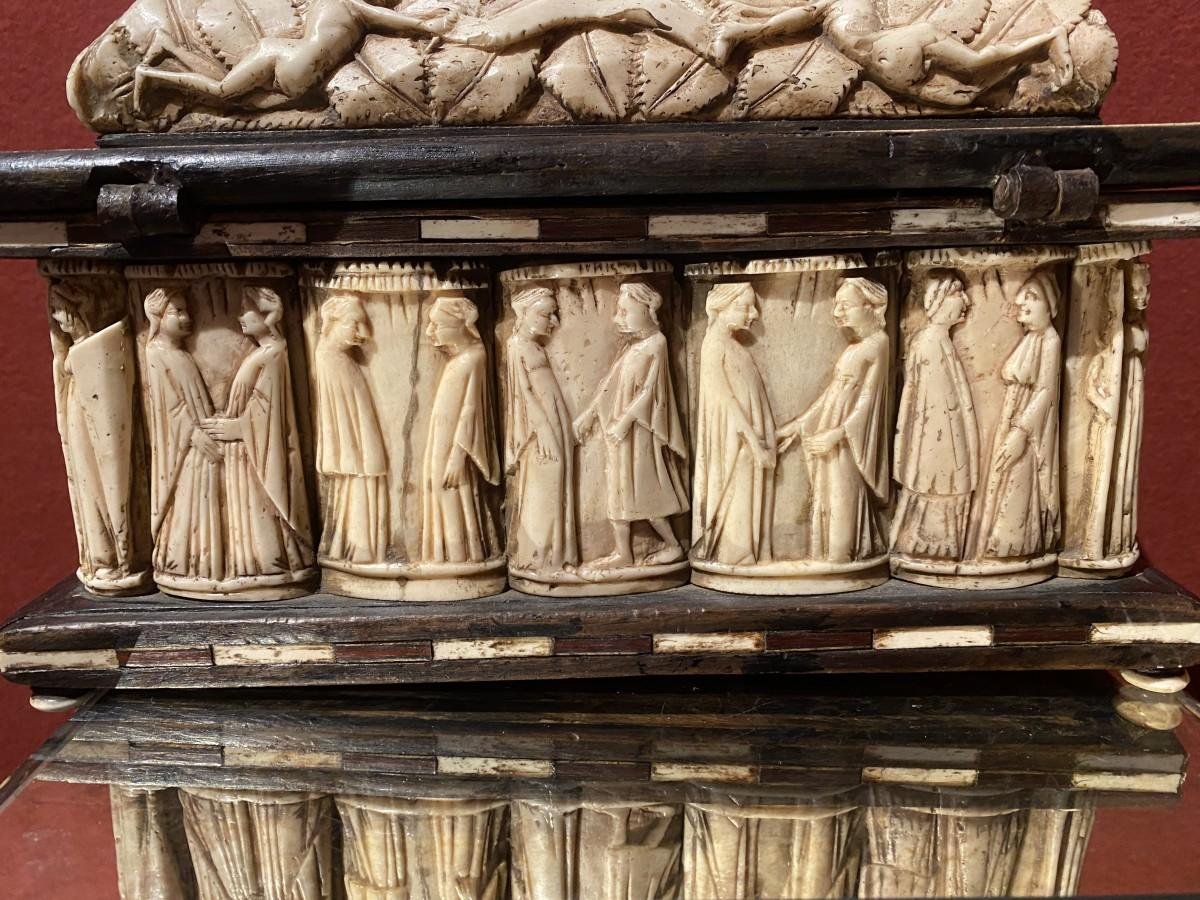
JACOPO COMES HOME: A DEAD FATHER, A BABY BROTHER AND A WIFE WITH 250 DUCATS
When Jacopo Bellini walked out of Le Stinche on Easter Sunday 1425, it wasn’t because someone had paid his fine. Florence let a few dozen prisoners go every Easter, and the city absorbed their debts and jail costs, but only the poorest and most wretched qualified. The provision that released Jacopo says it plainly: pauperrimus est. He is very poor. That was his ticket out.
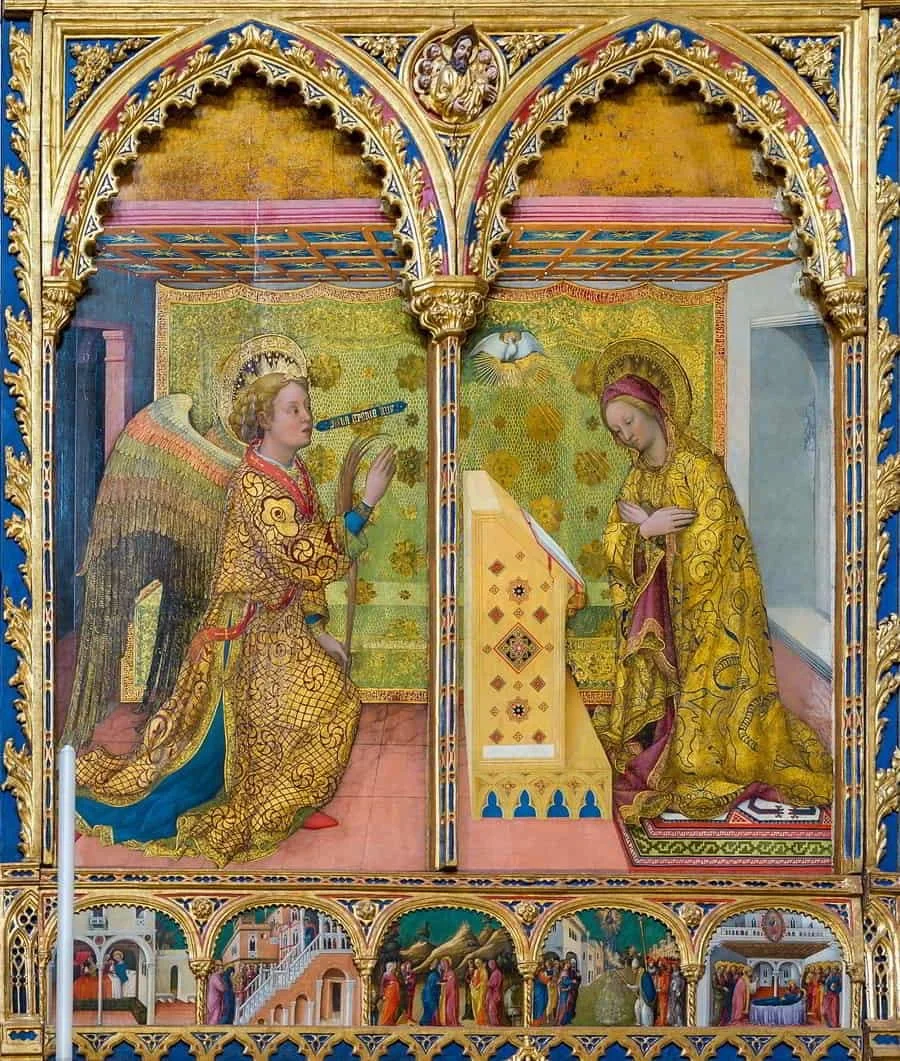
THE ROCKY BEGINNINGS OF THE BELLINI WORKSHOP
Jacopo Bellini came home to Venice with the best reference a painter could have: his apprenticeship with Gentile da Fabriano. There was just one problem. Venice was already full of Gentile. He had painted the walls of the Great Council Hall and run a workshop in town, and for twenty years Venetian painters had been helping themselves to his gold, his brocades and his sweet-faced Madonnas. The market was saturated with Gentile-like decoration. There was no room for another imitator, even a superior one.

THE COUNCIL OF TEN: SECRECY, SURVEILLANCE AND PUNISHMENT IN VENICE
Venice had a complicated system of government. Power was distributed among councils, committees and elected officials, all carefully arranged to prevent any one person from taking control.
Then, in 1310, a group of Venetian noblemen tried to overthrow it.
The conspiracy failed, but it frightened the ruling class badly enough that they created a special committee to investigate what had happened and make certain it did not happen again. It was called the Council of Ten because ten patricians were elected to serve on it. The name was slightly misleading. The doge and his six councillors also attended its meetings, making seventeen men in the room before any additional members were called in.

WHO REALLY RAN VENICE?
There is something misleading about the word republic.
When we hear it, we tend to imagine citizens choosing their leaders. Venice certainly had citizens, and it was fiercely proud of not having a king. But during the years of Jacopo, Gentile and Giovanni Bellini, political power belonged to a relatively small group of hereditary patrician families. If you were born into one of those families, you had a place in the government. If you were not, wealth, talent and fame might bring you very close to power, but they would not give you a vote.

VENICE: AN IMPOSSIBLE CITY
At first glance, Venice is an absurd place to build a city. There is almost no firm ground. The islands are low, muddy, and divided by tidal channels. The water is salt. Stone, timber, grain, fuel, and drinking water all have to come from somewhere else. A sensible person might have moved a few miles inland.
The people who became Venetians did the opposite.
By the time of the Bellinis, this unlikely settlement had become one of Europe's wealthiest and most powerful cities. It had spread across scores of small islands and commanded an extensive maritime empire. Venice prospered not despite the lagoon, but because of it. The same water that made the city difficult to build also made it difficult to attack. It connected Venice to the Adriatic and the eastern Mediterranean while keeping it just beyond the easy reach of mainland rulers.

CARL RUGGLES - ARTIST, COMPOSER AND NEIGHBOR
Carl Ruggles lived and worked in a weather-worn one-room schoolhouse in Arlington, Vermont, where he spent every morning chiseling dissonant counterpoint and every afternoon pouring color onto paper. This post visits his twin legacies: the explosive watercolors “Trumpet Flower” (1940) and “The Pool, Roaring Branch” (1932) that pulse like Vermont’s Batten Kill, and the sixteen granite-hard musical scores—Sun-Treader, Men and Mountains, and more—that made him a cult hero of American modernism. Along the way we hear composer Henry Brant’s first-hand tale of finding Ruggles hammering a single piano key “to make sure it’s a good note,” and we trace how the local Roaring Branch stream fed both his pigments and his brass chords. Whether you’re hiking School Street for a glimpse of Ruggles’s old studio or spinning Sun-Treader to rattle your speakers, you’ll discover why this Arlington neighbor still matters to painters, musicians, and anyone who prizes art made the slow, stubborn way—one bold color, one uncompromising note at a time.

SIEGFRIED BING AND THE RISE OF JAPONISM IN FRANCE: The Man Who Brought Japan to Paris
Siegfried Bing and the Rise of Japonism in France: The Man Who Brought Japan to Paris
When we think of the Impressionists — Monet, Degas, Van Gogh — we often picture solitary geniuses revolutionizing the art world with bold colors and radical brushstrokes. But behind their innovations stood a key figure: Siegfried Bing, the art dealer whose passion for Japanese art transformed 19th-century Paris and sparked the Japonisme movement that reshaped Western aesthetics.

PIERRE SOULAGES: LIGHT REVEALED BY BLACK
Pierre Soulages is the artist I think of first when I think of black paintings.
I have seen his work in several settings over the years, and I remember being overwhelmed at first by the blackness. It dampened my spirit. I don’t know quite how else to put it. There was simply too much black.
And then, almost despite myself, I began to see the light.
It caught the edge of a ridge of paint. Then another. A streak appeared where a tool had dragged through the surface. As I moved, the light moved with me. I could suddenly see that Soulages was drawing with light.
The black wasn’t there to create a void. It was there to give the light something to catch on.

AD REINHARDT: HIDDEN IN PLAIN SIGHT
When I was a child, I took art lessons at the Museum of Modern Art. After class I would go through the collection. I did this every week, so certain paintings became almost like acquaintances.
I remember the first time I came across one of Ad Reinhardt’s black paintings. My first reaction was more or less: WTF.
I can’t remember now for sure, but there may have been a Larry Bell box nearby and possibly a white painting by Robert Ryman. I may be telescoping different visits. Bell’s glass box, which glistened like a gas leak, was a helpful comparison. It had already made me alert to the surface. Reinhardt’s painting seemed to be doing something entirely different.
So what was it?

ALLAN McCOLLUM: WHAT ARE WE LOOKING AT?
The first time I saw Allan McCollum’s Surrogate Paintings, I thought they were totally cynical.
As I looked at them, what I thought I was seeing was a black painting, matted in white and put into a brown frame. The painting was nondescript other than its color. The mat was ordinary white, not what I would have thought of as museum quality, and the frames looked as though they might have been bought at a rummage sale.
But what they actually were was something else.

GOYA: LIVING INSIDE THE BLACK PAINTINGS
Goya's Black Paintings were not his first encounter with black.
Years before he painted those extraordinary images on the walls of his house outside Madrid, black had already carried the weight of The Disasters of War, the print series he began during the Peninsular War. They are some of the most horrifying images of war ever made. Bodies are mutilated. People are hanged. Women are attacked. Families flee. People starve. There are no heroic generals on horseback, no glorious battles, no suggestion that war ennobles anyone.

GENE DAVIS: PLAYING COLOR BY EYE
I had assumed that Gene Davis made nothing but stripe paintings. He did not. He began with drawings and Abstract Expressionist paintings and later made collages, micro-paintings, video, neon, and enormous outdoor works. But once he found the stripe in the late 1950s, it became his principal subject.
Subject is the word Davis himself used.
“I have very, very strong subject matter in my work, which is stripes,” he said. “A stripe is just as real as a goddamn flower.”
That gets us closer to the paintings. The stripe was not simply a device for arranging color. It was the thing itself.

KEN NOLAND: WHEN COLOR MET COLOR
When I was a student at Bennington College, Kenneth Noland lived a few miles away in Shaftsbury, Vermont. He had nothing officially to do with the college while I was an undergraduate, but his presence was felt. Artists and critics who came to see him would sometimes turn up at Bennington—Larry Poons, Tony Caro, Clement Greenberg.
When I became a graduate student, Noland taught a course that I took. He was surprisingly practical. He talked about how we arranged our studios and how we dealt with all the things that pulled us away from the work. He was interested in the circumstances of being an artist: how you set things up so that you could keep painting.