
studio notes
August Notes - 2026
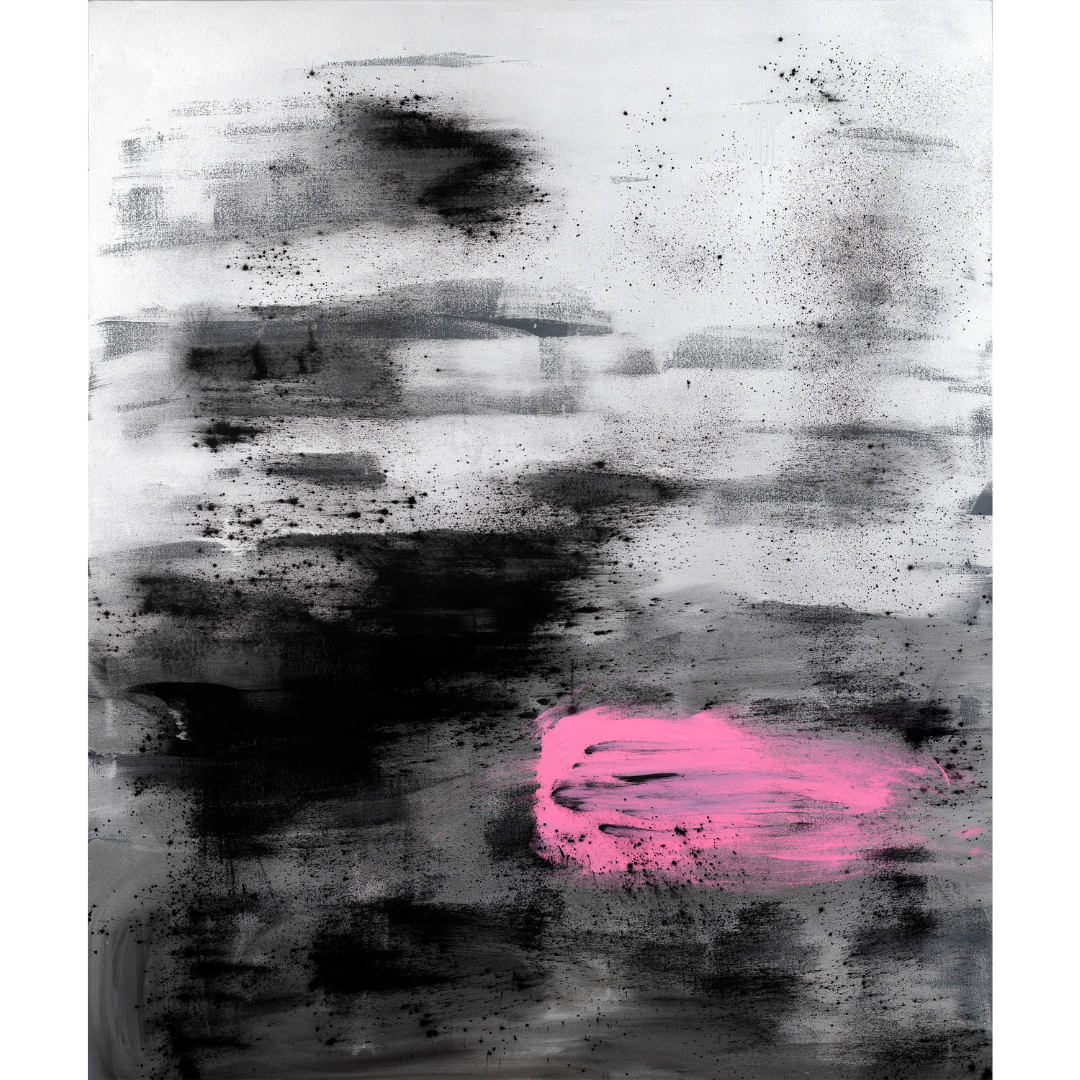
I started a new series of paintings, wanting to create grungy, dark, almost unpleasant grounds. I wasn’t sure what I was going to do with them, but that is where I started. Some of these grounds contained a large amount of black. And you know me, I can’t do anything in the studio without thinking of its possible antecedent. This led me down a black hole (excuse the pun) of paintings that consist only of black, or so it seems. I started with the first all-black painting, which started as a joke. Check out Paul Bilhaud, a member of Arts Incohérents, a wonderfully irreverent group.
I also looked at Malevich, Goya, Anish Kapoor, Ad Reinhardt, Pierre Soulages, and Allan McCollum. I didn’t even get to Rothko or Richard Serra, who I feel I’ll need to add later.
July Notes - 2026
This month, I have been painting and writing almost in equal measure.
The blog is part of that, but not all of it. I have also been working on the memoir and short stories, and I am beginning to understand that writing is not separate from the studio. It is another way of looking.
Painting, writing, and art history have always been part of my life, but lately they have begun to braid together more tightly. I read something, and it sends me to a painting. I look at a painting, and it sends me into materials. I learn about a pigment, and suddenly I am thinking about trade, empire, insects, cloth, military uniforms, Rembrandt, Titian, and a Dutch inventor who somehow built a submarine and still died broke.
This is what happened in June.
Then, over a desk, there was a painting that stopped me. At first, it looked like scratches of color. After a moment, a waterfall began to resolve, but what held me was the color—a very particular Veronese green. And then it clicked: Twachtman. John Henry Twachtman. Adelson confirmed it.
December Notes - 2025
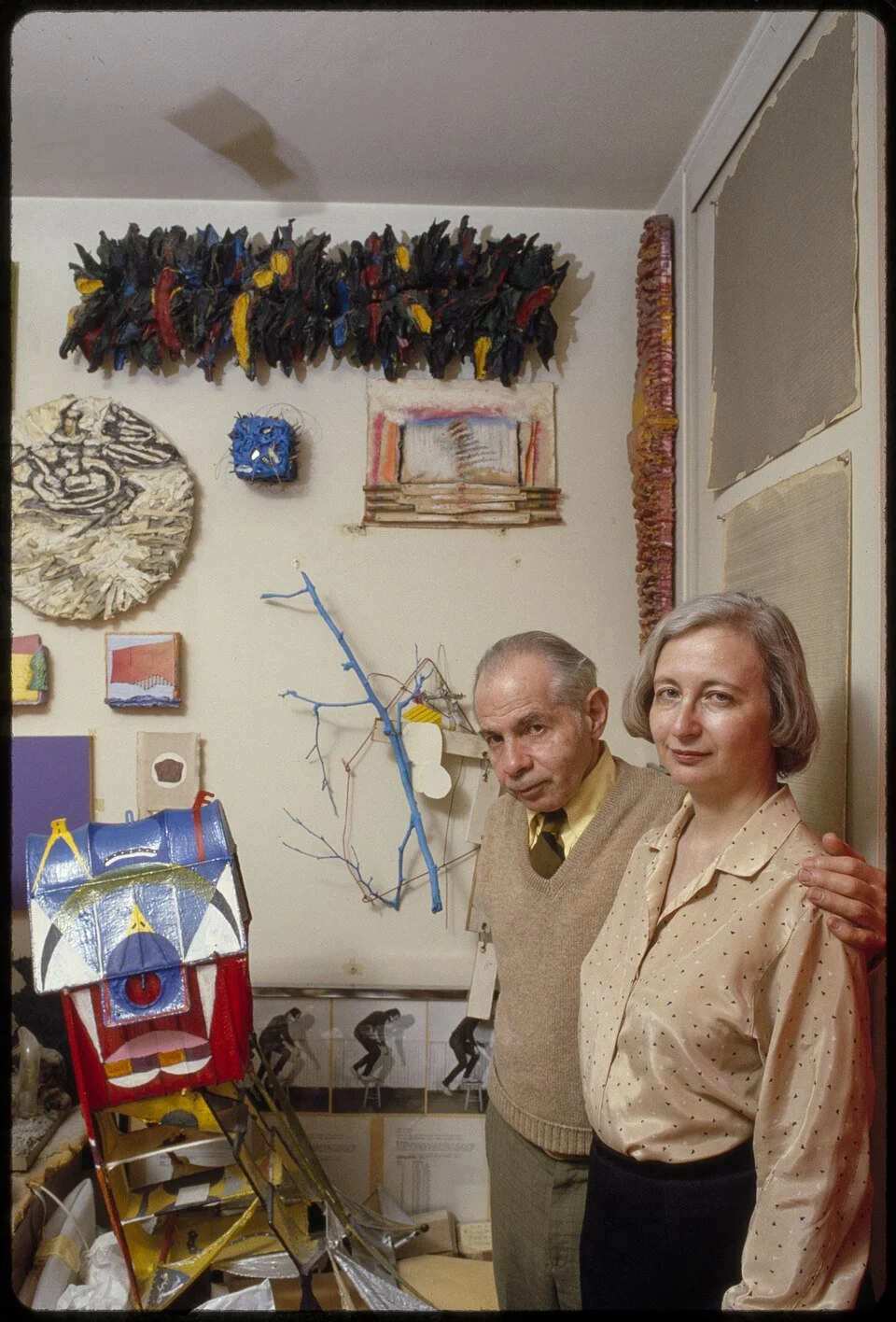
Dorothy Vogel died in November. Her obituary was short — an elderly woman, a retired librarian — but the life behind it was monumental. She and her husband Herb, a postal clerk, built one of the most important collections of contemporary art on two modest salaries. And then they gave it all away.

November Notes - 2025
I’ve been thinking about what makes art possible — not just the making of it, but the conditions that allow it to exist. When I studied contact improvisation with Steve Paxton at Bennington and later danced with Trisha Brown in New Mexico, I learned that trust wasn’t an abstract concept; it was physical. You lean into another person and discover that their balance supports your own. That same principle — that generosity sustains creation — runs through the story of Judson Church, Black Mountain College, and the Chelsea Hotel. Each was a kind of living experiment in mutual reliance. This post explores how those places turned community into a medium, proving that art and generosity have always been intertwined.
October Notes - 2025
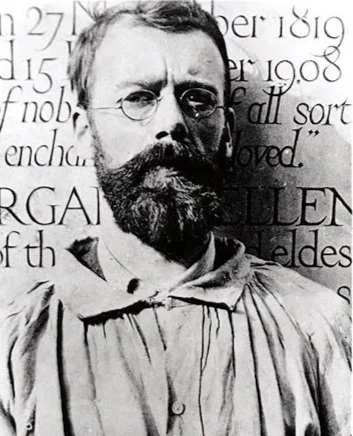
While reading Fiona MacCarthy’s biography of Eric Gill, the English sculptor and designer, I was not only shocked by his behavior (read below), but also by the author’s matter-of-fact way of depicting it. Throughout history, we have had artists who behaved badly. In this “woke” era (I say that proudly), the inclination has been to “ghost” these artists. I advocate for something more nuanced. Let’s neither hide the facts nor erase the art. That doesn’t mean that there aren’t specific artworks I would like to stick a knife through, but that isn’t necessarily due to the bad behavior of the artist.