COMFORT FOOD COMMUNITY — FOOD FEEDS COMMUNITY
When I think about what keeps a small town alive, I don’t think only of festivals or fundraisers — I think of the quiet networks of generosity that feed people, ground them in dignity, and hold them together. That’s what Comfort Food Community does in Greenwich, and it matters deeply.
From Humble Beginnings to a Lifeline
Comfort Food Community began in 2014 when my earliest friend Susan Sanderson, and Maryann McGeorge responded to a family in need of food. Though Greenwich had a food pantry, it was underfunded and largely invisible to many who needed it. Sanderson and McGeorge took their experience — Sue’s long history in nonprofits, Maryann’s corporate retail know-how — and turned that first encounter with food insecurity into a mission. Times Union+1
In the years since, CFC has grown beyond a single pantry. It now serves multiple counties (Washington, Warren, Saratoga) and operates a variety of programs designed to meet hunger and health with compassion, respect—and community. ComfortFoodCommunity+2ComfortFoodCommunity+2
Food Access, Recovery, and Health
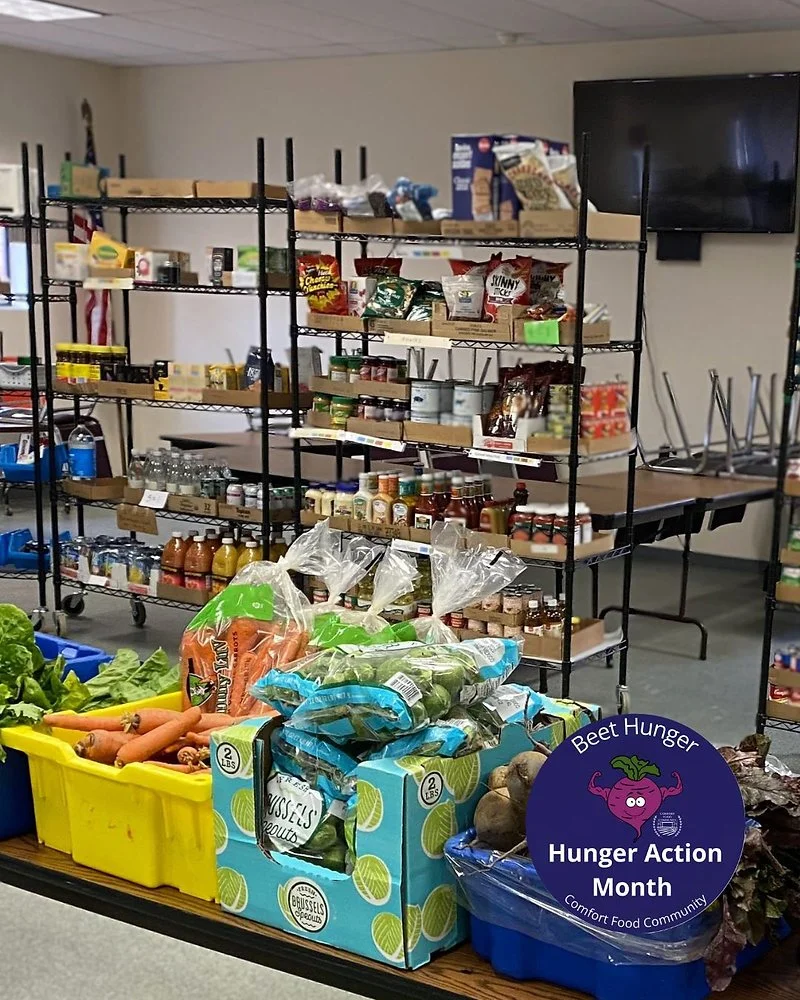
At the heart of CFC is the belief that food is dignity. Their “Food Access” program includes pantries (for example, the main pantry on Route 40 in Greenwich and a satellite pantry in Cossayuna) that allow people to “shop” once a week for groceries — including fresh produce, meat, dairy, staples, and even household essentials. The organization uses a “choice pantry” model, respecting that people know best what their families need. ComfortFoodCommunity+1
But they didn’t stop with that. Recognizing that food insecurity isn’t just about a single meal — often it’s about entire weeks, systemic limits, or isolation — CFC built out a network of complementary programs:
Weekend / School-break support for children: Their backpack / supplemental student nutrition program supplies meals or food for students who rely on free or reduced-price school meals during the week, so they don’t go hungry on weekends or vacations. ComfortFoodCommunity+1
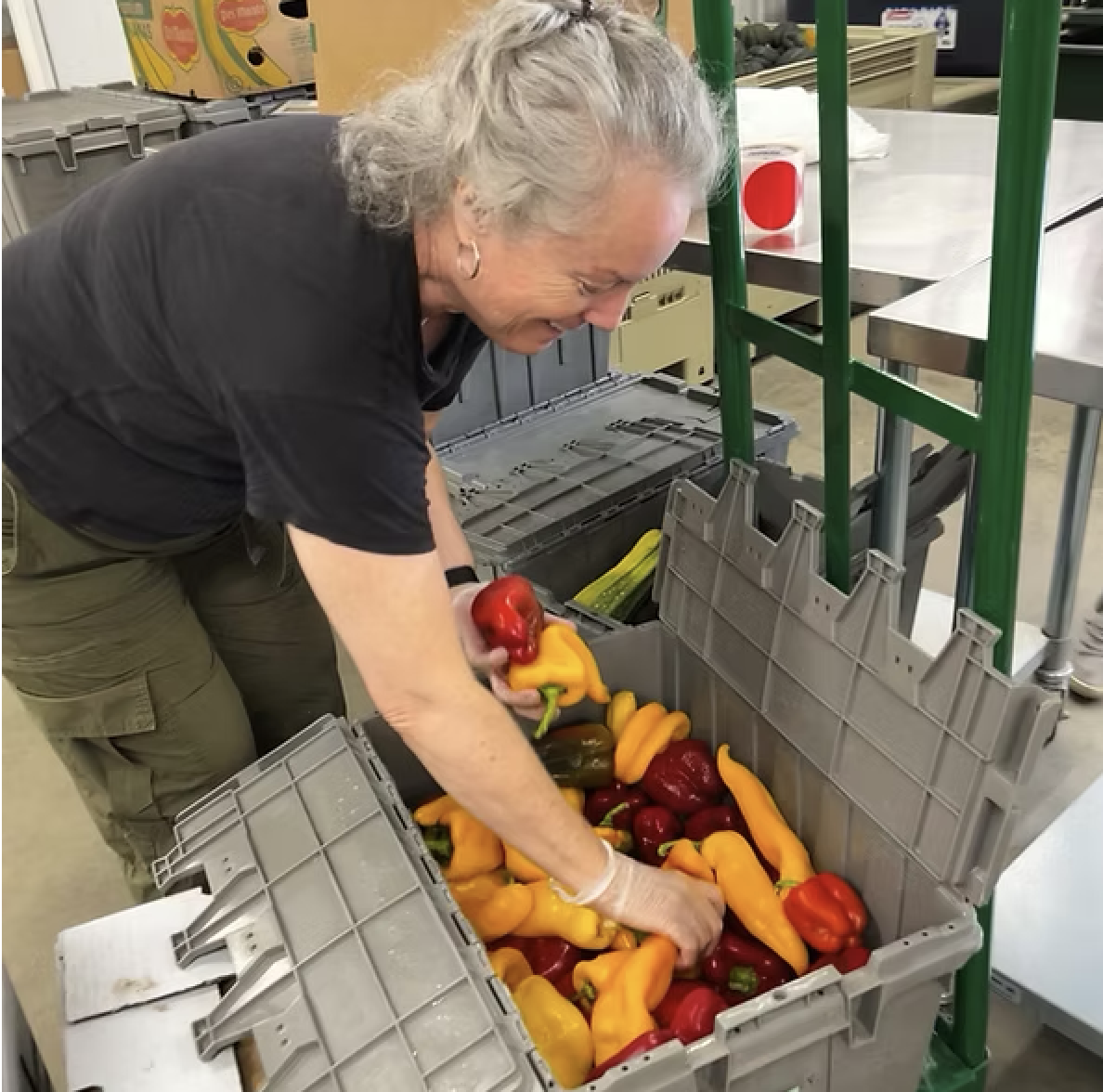
Food recovery & gleaning: At the end of harvests or markets, volunteers collect surplus produce — food that might otherwise be lost — and redirect it to pantries. This reduces waste and ensures fresh, nutritious food stays in the community. ComfortFoodCommunity+2Adirondack Regional Chamber of Commerce+2
Support for local farms & building a food hub: Their Food & Farm Hub (on Fiddlers Elbow Road, Greenwich) is a nearly 20,000-square-foot space for food aggregation, storage, washing, packing, and distribution. It offers cooler, frozen, and dry storage — infrastructure many small farms and pantries lack. It also offers rental/work space for local farms, linking production and distribution in one community-based ecosystem. ComfortFoodCommunity+1
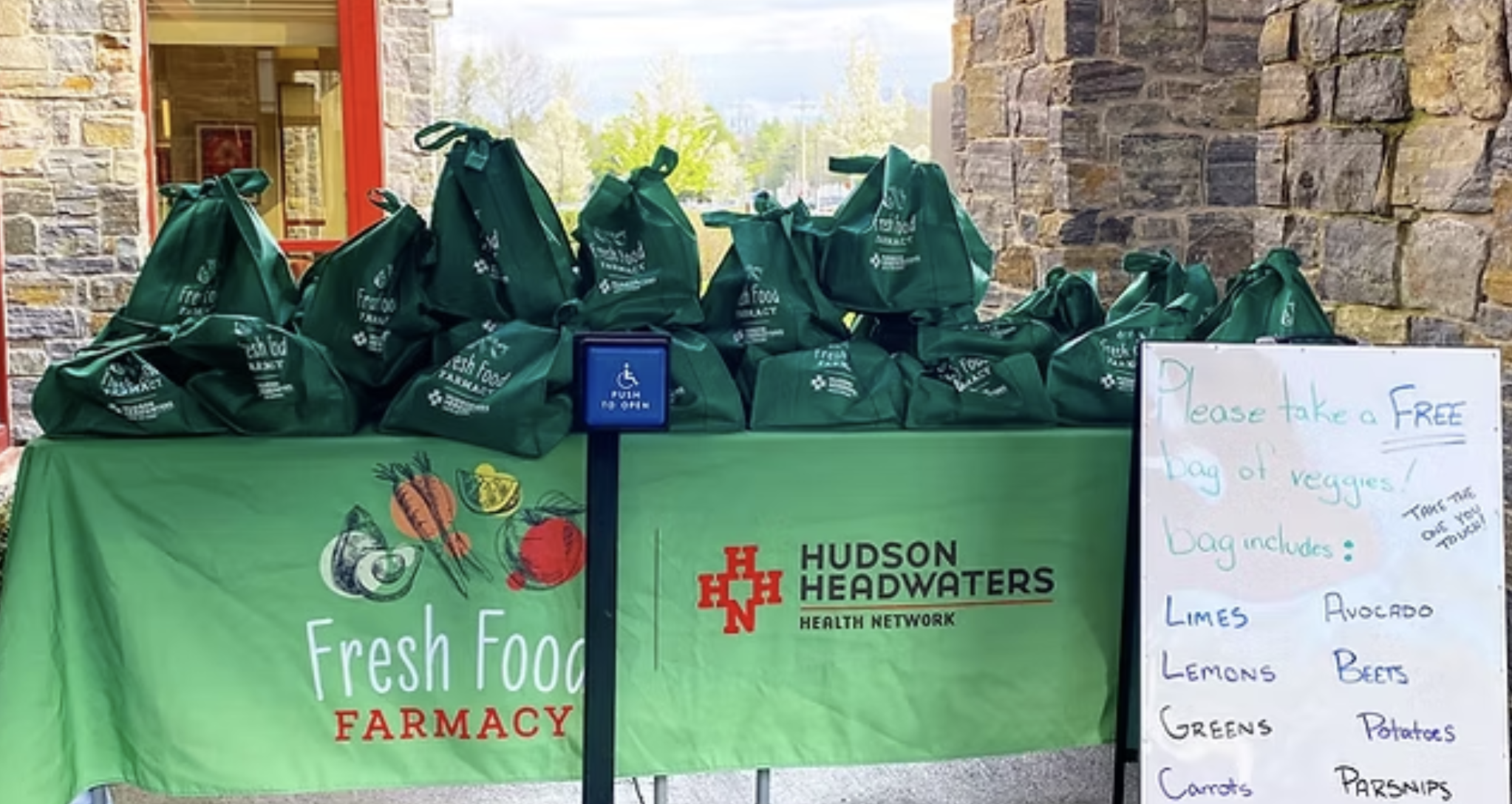
“Food as Health” / Medically-Tailored Food + Produce Prescription: In partnership with regional health providers (like Hudson Headwaters Health Network and area hospitals), CFC runs a “Fresh Food Farmacy” program: medically tailored fresh produce boxes, produce-prescription vouchers for patients with health conditions, and workshops around nutrition, cooking, and healthy eating. ComfortFoodCommunity+1
Outreach & accessibility: They partner with local libraries, schools, senior centers, community sites — making access to fresh produce and pantry food easier even for those who lack transportation or regular grocery access. Times Union+2ComfortFoodCommunity+2
Numbers Matter —- But So Does Care
According to recent reporting, over 800,000 pounds of food were distributed in a year — in one count equating to roughly 640,000 meals — across dozens of sites including food pantries, senior centers, libraries, and community partners. Times Union+1
CFC runs on a small core staff (about 13 employees) plus a rotating force of 100 to 125 volunteers. Times Union+1
But beyond numbers, what matters is the dignity they aim to preserve. Guests aren’t treated like clients or “cases.” The choice-pantry model, the produce-prescriptions, the outreach all say: you are known, you are seen, your needs matter, your health matters.
One volunteer of CFC reflected on how — through this work — people from differing backgrounds, neighborhoods, political leanings came together, side by side, to build something real: a lifeline not just of food, but of care, trust, and community. Times Union
Why Food Feeds Community
To me, Comfort Food Community embodies something essential: that nourishment — physical, social, emotional — is not a privilege: it is a human right. In a rural region where distances are long, markets sparse, and need often discreet, the presence of a community-based organization like CFC makes the difference between isolation and connection, hunger and relief, shame and belonging.
Food becomes more than calories. It becomes meeting places, relationships, dignity. With the Food & Farm Hub they created infrastructure; with the Pantry, they opened a door; with the Farmacy, the prescriptions; with the distribution network — they made community.
In a time when too many institutions focus on scale or top-down charity, CFC reminds us that small, consistent acts rooted in respect — good food handed to a neighbor, a volunteer washing squash in a warehouse on a cold morning — add up to something powerful.
Sue and Maryann founded Comfort Food Community because they understood, almost instinctively, where the fractures were and how a small, well-run effort might begin to mend them. They knew that food was only the starting point — that the real work lay in the care that surrounded it. And they didn’t do it by themselves. Little by little, the community gathered around them: volunteers in the fields, drivers delivering boxes, farmers sharing surplus, neighbors stocking shelves. Now, more than ten years on, Sue and Maryann have stepped off the board, and CFC continues in the hands of a new generation of leaders and volunteers who keep the mission moving.
When we talk about “giving” in our arts ecosystem — or in our social life — we often speak of donations, pretty events, one-time emphases. But it is organizations like Comfort Food Community that show how giving deeply, quietly, sustainably, with food or with art or with time, changes lives.