
studio notes
September Notes - 2026
If I were to try to show all the forces and influences that shaped the art scene in Manhattan over the last seventy-five years, I would need to include returning veterans from World War II, the occupation of abandoned buildings by artists in SoHo, the Vietnam War, the feminist movement, the AIDS epidemic, the creation of the NEA and NYSCA, the major art dealers, the invention of acrylic paint, legalized abortion, and much, much more.
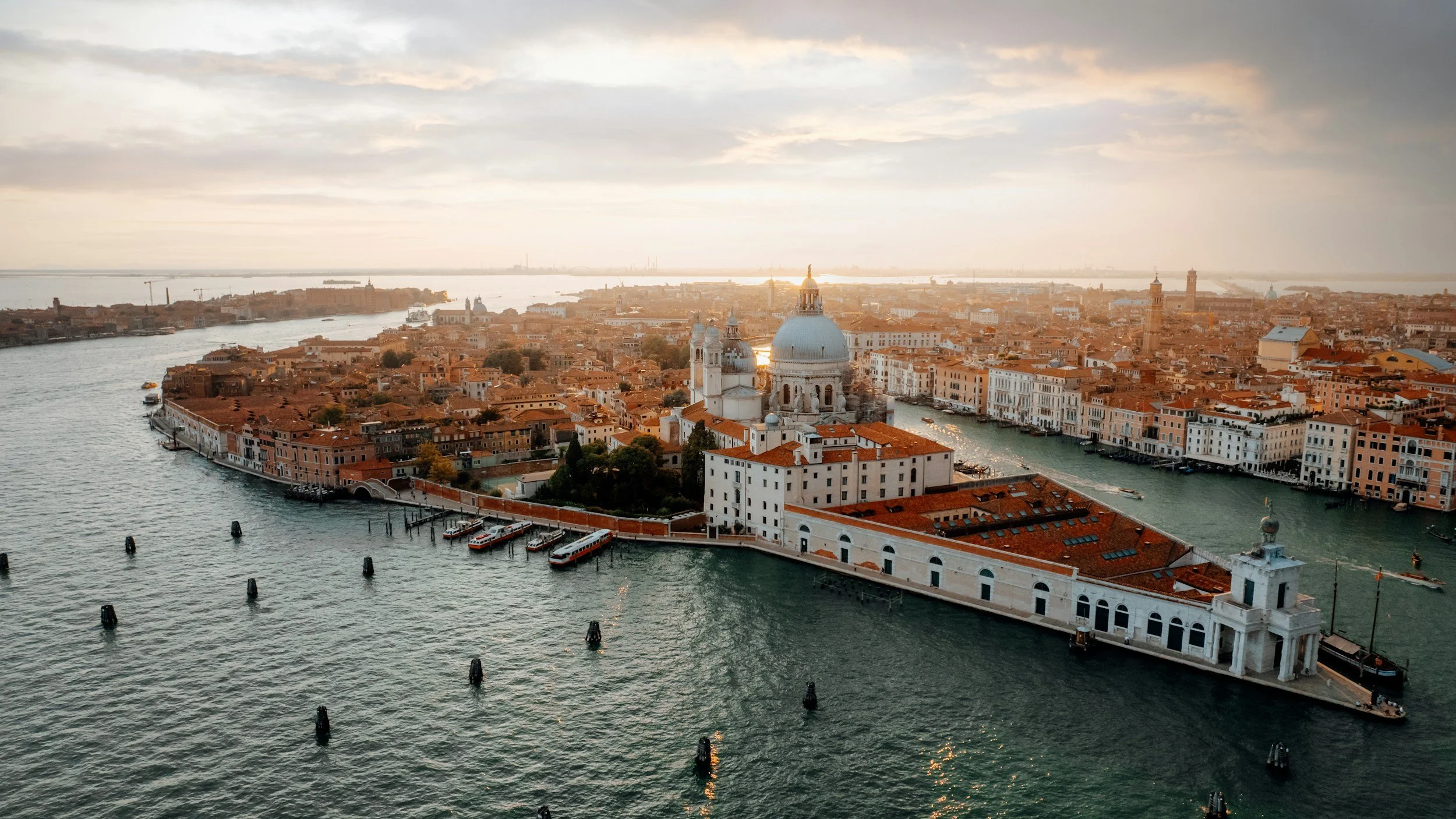
Now try doing that for fifteenth-century Venice.
I have spent this summer reading about how Venice was governed, who commissioned its artists, where their materials came from, the development of canvas as a painting support, the introduction of oil paint, how artists’ workshops operated, Venice’s wars with the Ottoman Empire, the periodic recurrence of the plague, and the laws governing sodomy.
August Notes - 2026
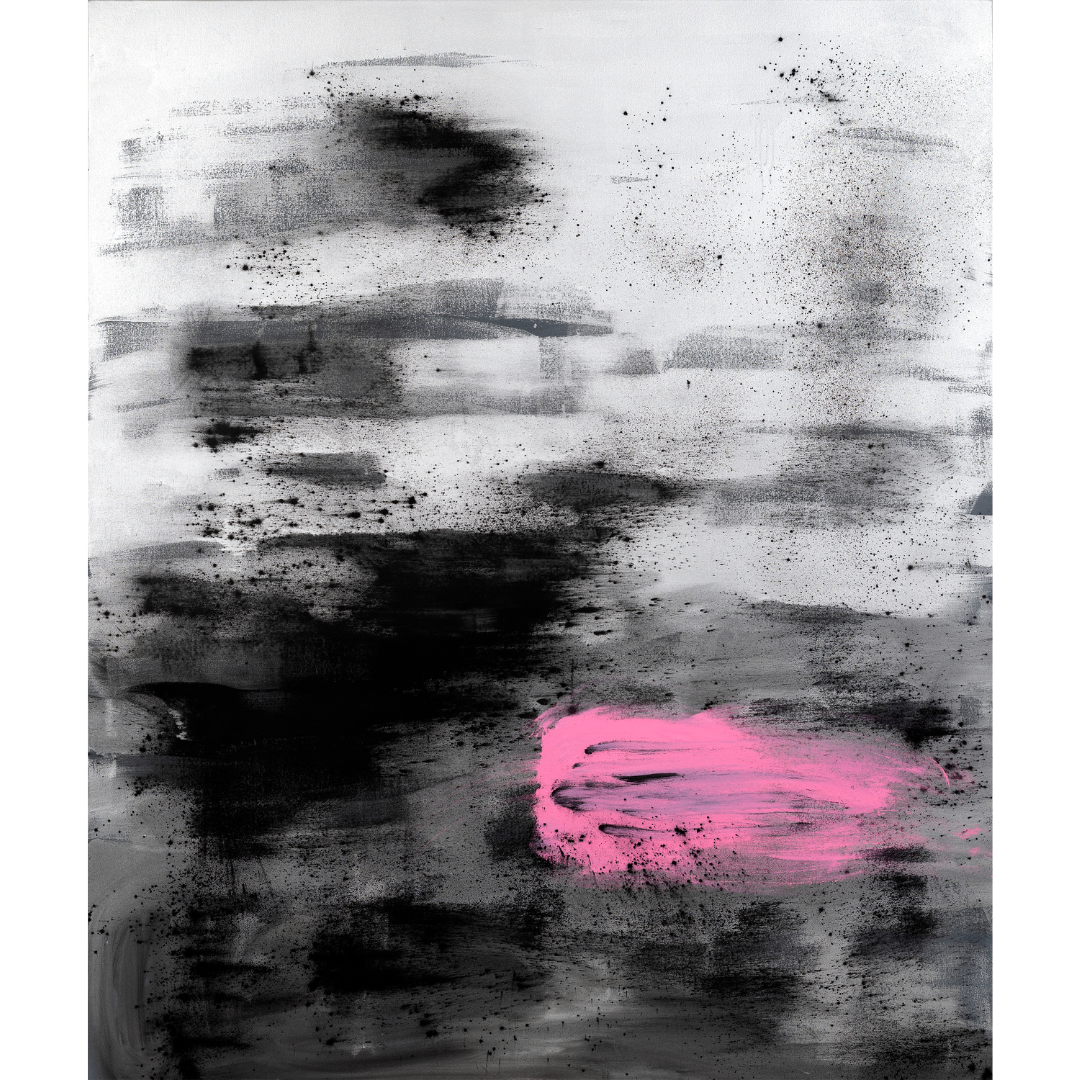
I started a new series of paintings, wanting to create grungy, dark, almost unpleasant grounds. I wasn’t sure what I was going to do with them, but that is where I started. Some of these grounds contained a large amount of black. And you know me, I can’t do anything in the studio without thinking of its possible antecedent. This led me down a black hole (excuse the pun) of paintings that consist only of black, or so it seems. I started with the first all-black painting, which started as a joke. Check out Paul Bilhaud, a member of Arts Incohérents, a wonderfully irreverent group.
I also looked at Malevich, Goya, Anish Kapoor, Ad Reinhardt, Pierre Soulages, and Allan McCollum. I didn’t even get to Rothko or Richard Serra, who I feel I’ll need to add later.
July Notes - 2026
This month, I have been painting and writing almost in equal measure.
The blog is part of that, but not all of it. I have also been working on the memoir and short stories, and I am beginning to understand that writing is not separate from the studio. It is another way of looking.
Painting, writing, and art history have always been part of my life, but lately they have begun to braid together more tightly. I read something, and it sends me to a painting. I look at a painting, and it sends me into materials. I learn about a pigment, and suddenly I am thinking about trade, empire, insects, cloth, military uniforms, Rembrandt, Titian, and a Dutch inventor who somehow built a submarine and still died broke.
This is what happened in June.
Then, over a desk, there was a painting that stopped me. At first, it looked like scratches of color. After a moment, a waterfall began to resolve, but what held me was the color—a very particular Veronese green. And then it clicked: Twachtman. John Henry Twachtman. Adelson confirmed it.