
SIEGFRIED BING AND THE RISE OF JAPONISM IN FRANCE: The Man Who Brought Japan to Paris
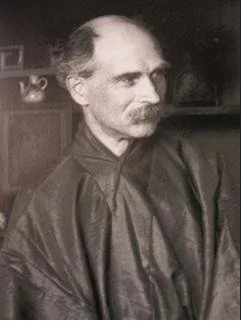
Siegfried Bing
When we think of the Impressionists — Monet, Degas, Van Gogh — we often picture solitary geniuses revolutionizing the art world with bold colors and radical brushstrokes. But behind their innovations stood a key figure: Siegfried Bing, the art dealer whose passion for Japanese art transformed 19th-century Paris and sparked the Japonisme movement that reshaped Western aesthetics.
WHO WAS SIEGFRIED BING? From Hamburg Merchant to Parisian Art Dealer
Born in Hamburg, Germany, in 1838, Samuel Siegfried Bing came from a prosperous family involved in international trade. Moving to Paris in the 1850s, Bing took over his family’s ceramics business, gaining early exposure to fine objects from around the world. However, his true calling emerged in the 1870s, when he shifted focus to the Japanese art that had begun trickling into Europe after Japan opened its borders.
While many saw these Japanese goods as mere exotic curiosities, Bing recognized their deeper artistic significance. He would go on to play a central role in educating Europe about the richness of Japanese culture and design.
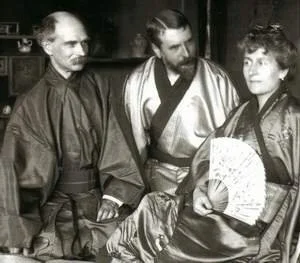
Siegfried Bing’s Travels to Japan: Building Authentic Connections
In the 1880s, Bing took the unusual step of traveling to Japan himself. At a time when few Westerners made such journeys, his trip allowed him to engage directly with Japanese artists, craftsmen, and dealers. Bing’s mission wasn’t just to buy art — it was to immerse himself in Japanese culture and understand the aesthetic principles that made these works unique.
This firsthand experience set Bing apart from other dealers in Europe. He returned with authentic artworks and a profound respect for the Japanese artistic tradition, positioning himself as both a merchant and a scholar.
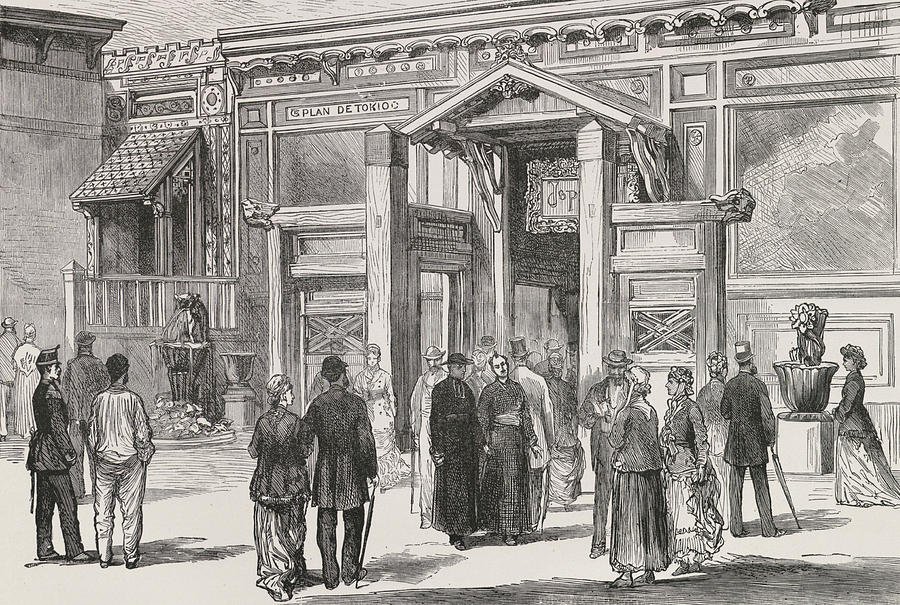
Facade of the Japanese building at the 1878 World’s Fair
The Maison de l’Art Japonais: Paris’s Center for Japonism
In 1878, Bing opened the Maison de l’Art Japonais in Paris. More than a shop, this gallery became a cultural hub where artists, collectors, and intellectuals could encounter Japanese art firsthand.
The gallery’s influence on the burgeoning Japonisme movement was immediate and powerful. Visitors marveled at ukiyo-e prints, lacquerware, ceramics, and textiles, absorbing new ideas about composition, color, and perspective that would soon ripple through French art and design.
Bing’s Influence on Monet, Degas, and Van Gogh
Bing’s gallery drew the attention of leading French artists hungry for new inspiration. Claude Monet frequently visited Bing’s shop, and his extensive collection of Japanese prints still resides in his home at Giverny. Monet’s series paintings — like his water lilies and Japanese bridge — reveal the deep impact of Japanese aesthetics.
Edgar Degas and Camille Pissarro also drew from the bold outlines, flattened perspectives, and dynamic compositions of Japanese prints. Vincent van Gogh, perhaps the most ardent admirer, copied works by Hiroshige and sought to capture what he called the “calm and contemplation” he saw in Japanese art.
Bing's relationships with these artists went beyond mere sales. He engaged in dialogues about the principles of Japanese art and encouraged them to integrate these new ideas into their own work, acting as a true cultural bridge.
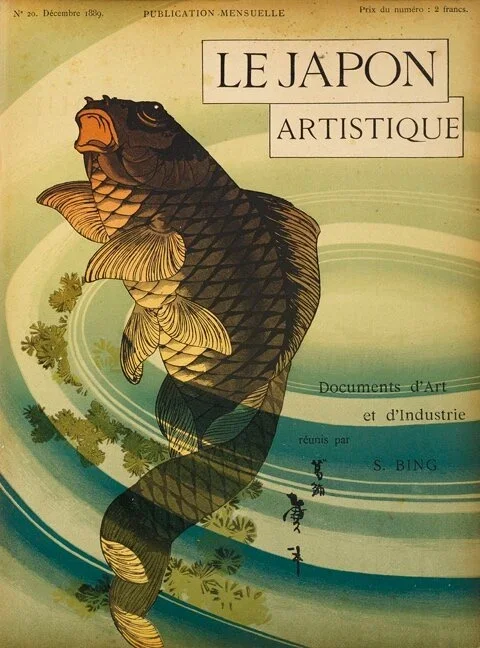
Le Japon Artistique: The Magazine That Spread Japonism Across Europe
In 1888, Bing launched Le Japon Artistique, a beautifully illustrated monthly magazine dedicated to Japanese art and design. Published in French, English, and German, the magazine ran until 1891 and became an essential resource for artists, collectors, and museum curators across Europe and America.
Each issue featured high-quality reproductions of Japanese prints and objects, accompanied by scholarly essays that explored their historical and artistic contexts. Through Le Japon Artistique, Bing educated a broad audience and elevated Japanese art to the level of serious academic study — far beyond the realm of exoticism.
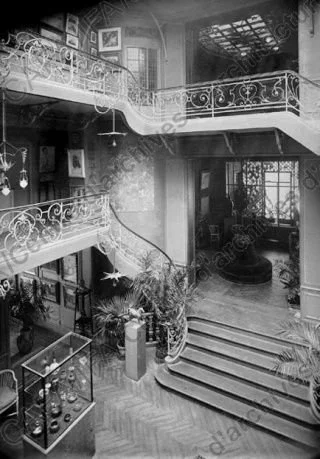
La Maison de l’Art Nouveau, Paris
Beyond Japonism: Bing and the Birth of Art Nouveau
Bing’s influence didn’t end with Japonism. In 1895, he expanded his gallery into the Maison de l'Art Nouveau, which gave the movement its name. Here, he showcased modern decorative arts that fused Eastern and Western traditions, helping to shape the future of European design at the dawn of the 20th century.
Siegfried Bing’s Enduring Legacy
Siegfried Bing was more than a dealer — he was a visionary who reshaped the trajectory of modern art. Through his travels to Japan, his deep friendships with Impressionist artists, and his publication of Le Japon Artistique, Bing forged a lasting connection between East and West. The wave of Japonisme he helped unleash not only transformed the works of Monet, Degas, and Van Gogh but also laid the groundwork for the Art Nouveau movement that would sweep across Europe.
Without Bing, the French art world, and perhaps even modern art itself, might have looked very different.