
blog
ALL | ABOUT MY WORK | EVERYTHING ELSE
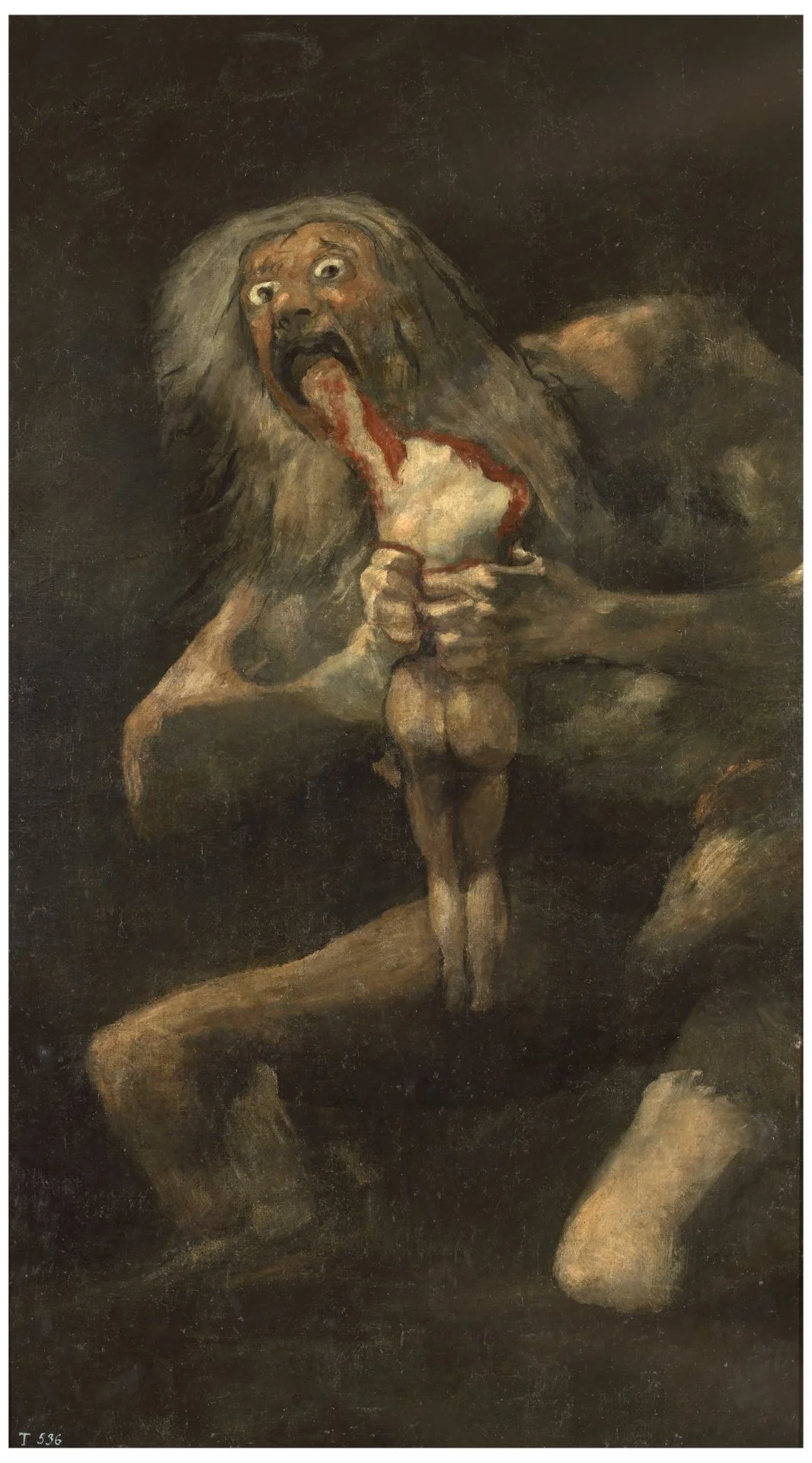
GOYA: LIVING INSIDE THE BLACK PAINTINGS
Goya's Black Paintings were not his first encounter with black.
Years before he painted those extraordinary images on the walls of his house outside Madrid, black had already carried the weight of The Disasters of War, the print series he began during the Peninsular War. They are some of the most horrifying images of war ever made. Bodies are mutilated. People are hanged. Women are attacked. Families flee. People starve. There are no heroic generals on horseback, no glorious battles, no suggestion that war ennobles anyone.

WHEN ARTISTS CAN’T SEE CLEARLY
I’ve been thinking about eyesight lately, for obvious reasons. Cataract surgery is on my horizon, and as a painter, the prospect of altered vision feels both frightening and strangely fascinating. Artists have always made work with the bodies and eyes they have—sometimes diminished, sometimes distorted—and the art often bears witness to those changes.

GOYA ON GARBAGE
The last time I was a resident at A.I.R Vallauris in 2008, I left a box of materials. This time I decide not to take any materials with me and to just make use of what is in the box and whatever I find in the street. I have two notions about how to use my time. One, is to experiment, respond to the moment and not plan everything out. The other is to look at Goya's paintings and see if there is a way to distill their essence into something abstract. I didn't expect to do these two things together. When I open the box, I have plenty of paint, some brushes, and several pieces of 300 lb Fabriano watercolor paper. But what really excites me, is the box itself. It sat in a dry shed for eight years. The cardboard is soft and no longer has much structural strength. One side is white. I tear off one of the flaps and start painting.
