
blog
ALL | ABOUT MY WORK | EVERYTHING ELSE

KEN NOLAND: WHEN COLOR MET COLOR
When I was a student at Bennington College, Kenneth Noland lived a few miles away in Shaftsbury, Vermont. He had nothing officially to do with the college while I was an undergraduate, but his presence was felt. Artists and critics who came to see him would sometimes turn up at Bennington—Larry Poons, Tony Caro, Clement Greenberg.
When I became a graduate student, Noland taught a course that I took. He was surprisingly practical. He talked about how we arranged our studios and how we dealt with all the things that pulled us away from the work. He was interested in the circumstances of being an artist: how you set things up so that you could keep painting.
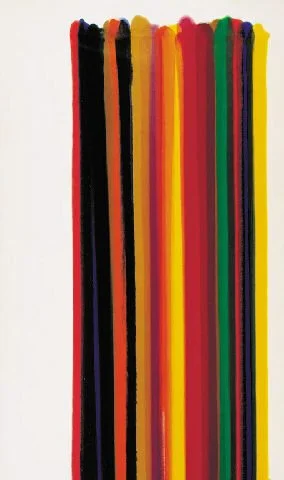
MORRIS LOUIS: COLOR, GRAVITY, AND THE RADICAL STRIPE PAINTING
Some artists use stripes as a way to measure space. Some use them as rhythm, structure, pattern, discipline, refusal, or optical vibration. With Morris Louis, the stripe begins somewhere else. It begins with liquid paint, raw canvas, gravity, and a room too small for the scale of what he wanted to make.
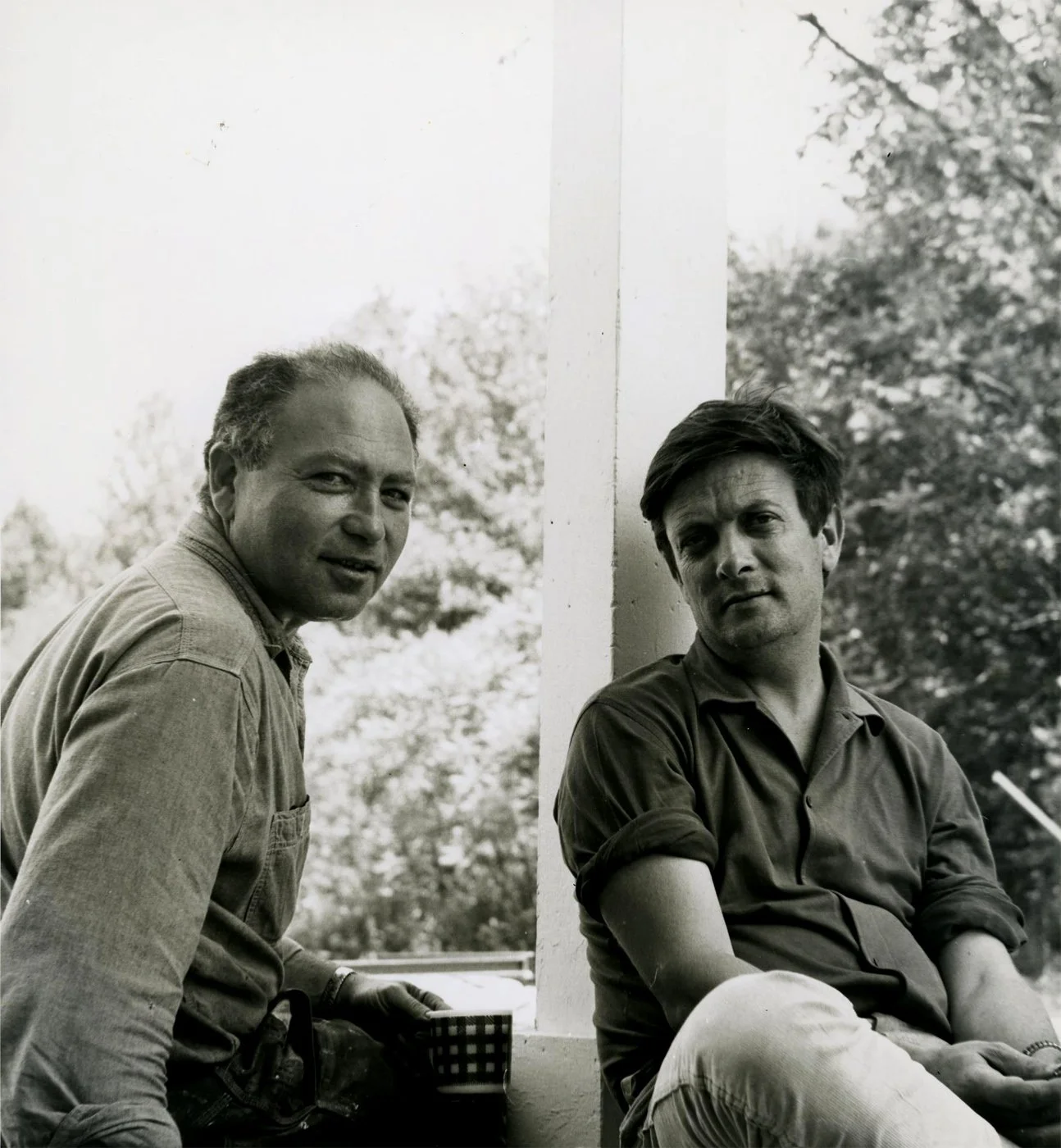
SMALL ACTS, QUIET ACTS: Generosity Artist to Artist
Not all generosity is institutional.
Most of it isn’t.
Most of it happens off the record, without witnesses, without announcements, without plaques. It moves quietly, passed hand to hand, story to story, like folklore.
Kenneth Noland bought materials for Jules Olitski when Olitski couldn’t afford them. Jasper Johns carried Roy Lichtenstein’s work to Leo Castelli when Lichtenstein couldn’t bring himself to do it himself. Agnes Martin slipped younger artists envelopes of cash in Taos—or simply showed up at their studios and gave them her full attention, maybe the rarest gift of all.
NATURE OR NURTURE
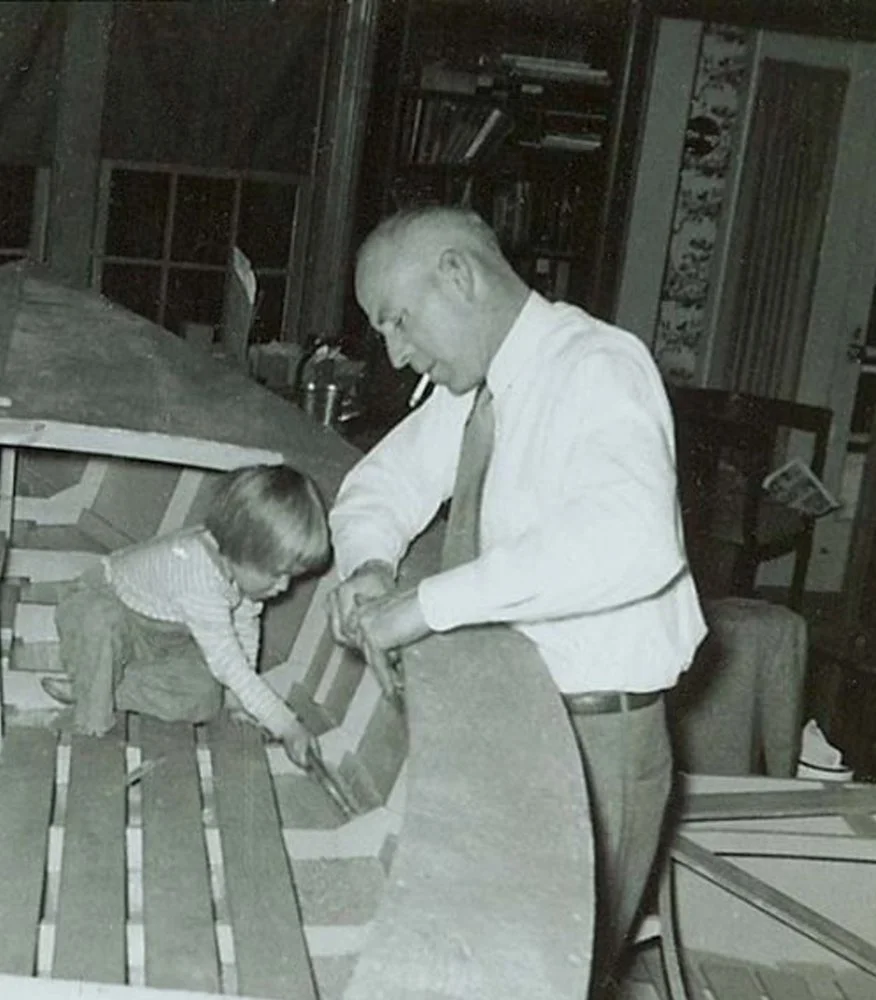
The nature/nurture question has been applied to artists at least as often as it has to athletes. And the verdict is still out. While I am distantly related to Stefan Lochner, a Northern European Gothic painter, his genes did not make an appearance in any of the intervening generations. As for nurture, there are some things in my background that, while not predictive, at least didn’t halt my development as an artist.

