
blog
ALL | ABOUT MY WORK | EVERYTHING ELSE
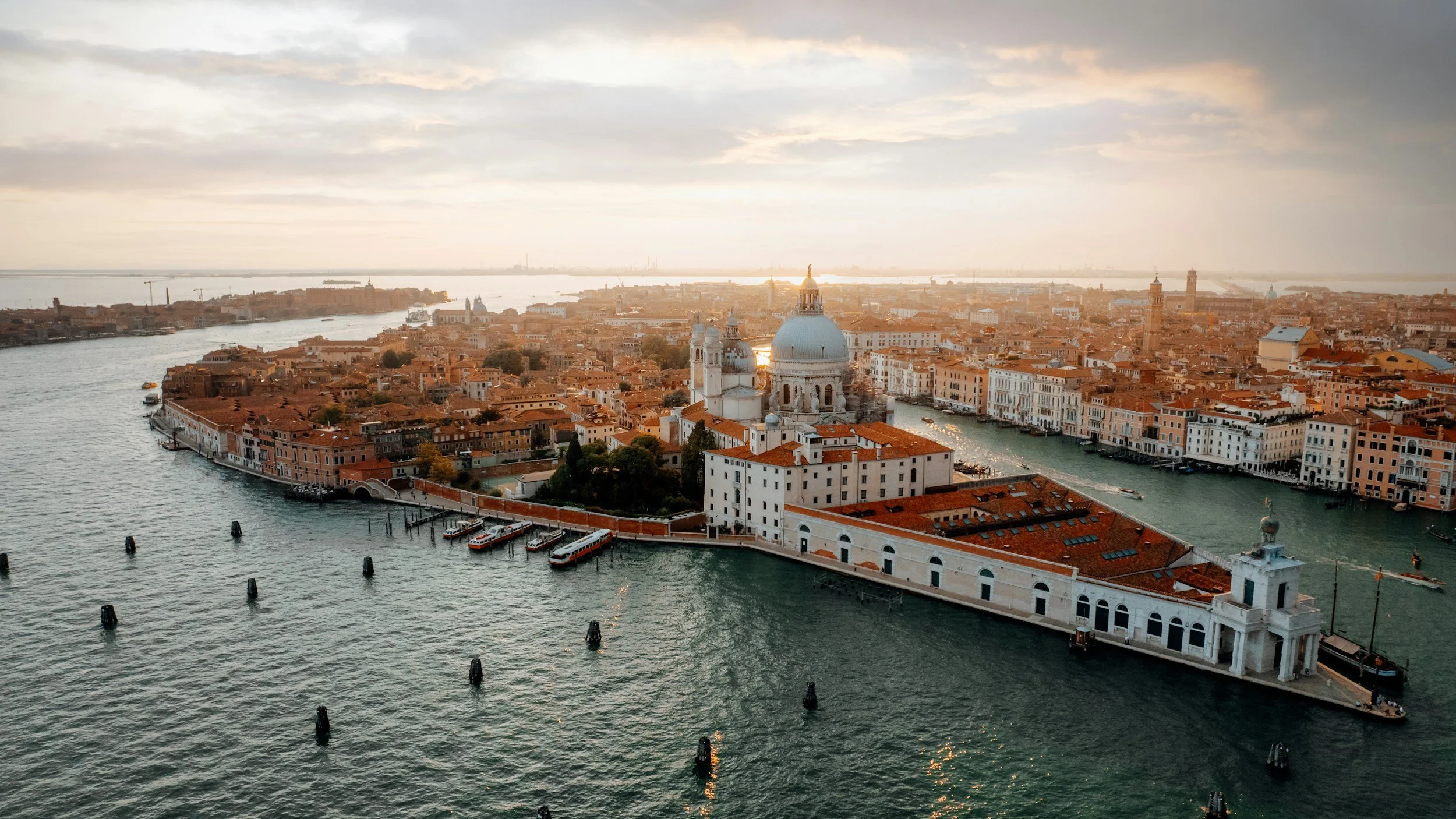
VENICE: AN IMPOSSIBLE CITY
At first glance, Venice is an absurd place to build a city. There is almost no firm ground. The islands are low, muddy, and divided by tidal channels. The water is salt. Stone, timber, grain, fuel, and drinking water all have to come from somewhere else. A sensible person might have moved a few miles inland.
The people who became Venetians did the opposite.
By the time of the Bellinis, this unlikely settlement had become one of Europe's wealthiest and most powerful cities. It had spread across scores of small islands and commanded an extensive maritime empire. Venice prospered not despite the lagoon, but because of it. The same water that made the city difficult to build also made it difficult to attack. It connected Venice to the Adriatic and the eastern Mediterranean while keeping it just beyond the easy reach of mainland rulers.
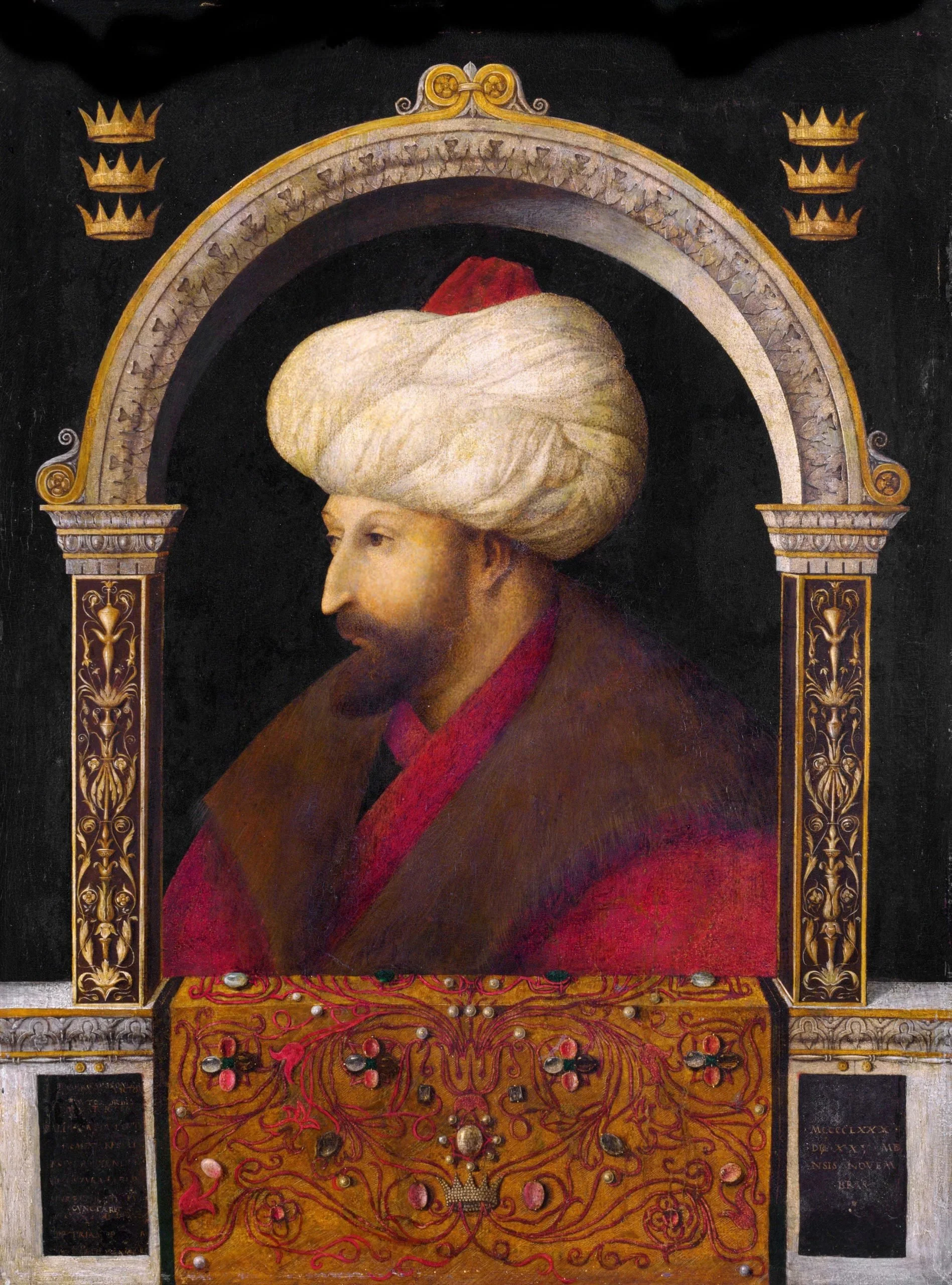
THE PAINTER AND THE SULTAN: How a Venetian Artist Walked into Another World and Never Quite Came Back
There is a portrait of Sultan Mehmed II in the National Gallery in London that has been nagging at me for years.
The first time I saw it, I was not thinking about diplomacy, trade, or the fall of Constantinople. I was looking at the painting itself.
The arch around the figure did not feel like ordinary Renaissance architecture to me. It felt like the edge of a manuscript page. The decorated cloth, the jewels, the gold, the contained darkness behind the Sultan, all of it seemed closer to ornament, calligraphy, and courtly display than to the kind of Venetian portrait I thought I knew.
Even the profile seemed to have crossed a border.
Something about the painting felt translated. Not wrong. More like a sentence spoken in another accent. The grammar was familiar, but something underneath it had shifted.