
DISRUPTED WEATHER
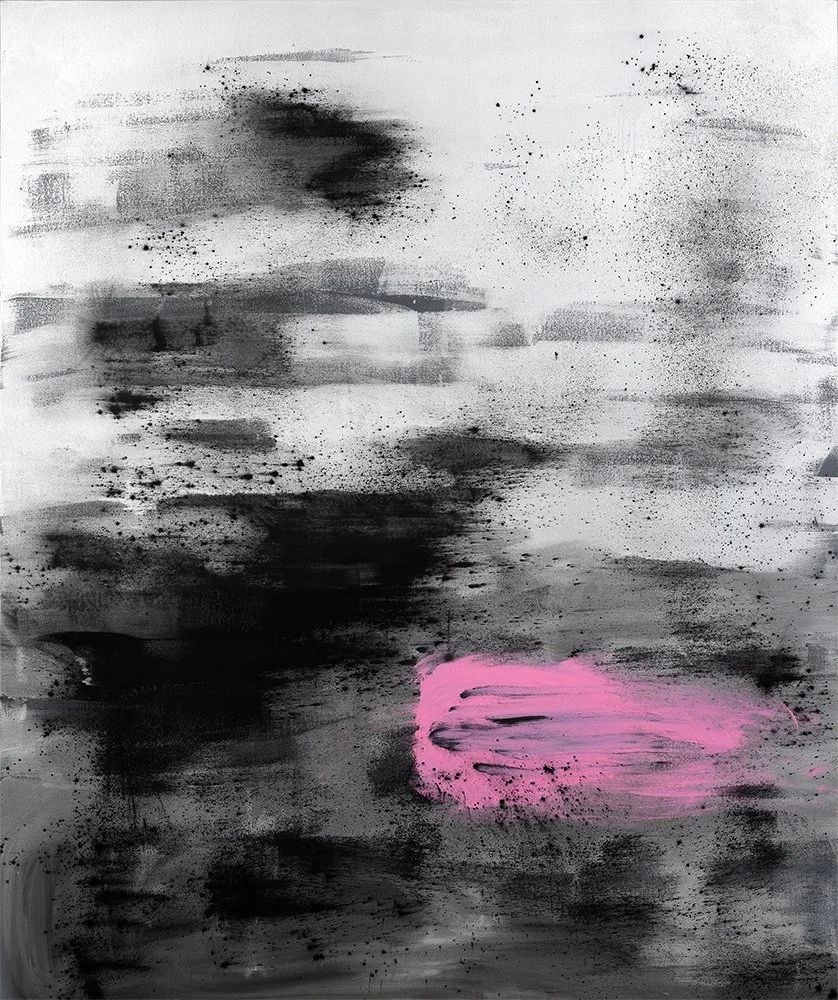
Presence, 72 inches x 48 inches, oil on canvas, ©2026 Leslie Parke
“The color was beautiful, but it was not necessarily benign.”
I began these paintings by making grounds that looked like weather: dark, unstable, reflective, sometimes dirty or almost unpleasant. Then I disrupted them with high-key color. Sometimes I liked the grounds so much I thought I might stop there. But that wasn’t the concept of the painting.
I wanted the surface to look worked, dirty and unstable — not like a color I had chosen from a chart.
While I was recovering from surgery, I looked at a small painting in my bedroom constantly. During the day, it seemed fairly ordinary. At night, the silver in the ground came alive, and everything on its surface began to vibrate. I did not set out to reproduce that painting, but there was something about its mysterious gestalt, especially at night when it was only lit by a faint light from the hallway, that I did want to capture in these paintings. I called the painting Light Not Color.
I did not begin this series with a formula. Several unrelated things were occupying my mind at once. I wanted grungy grounds. I wanted fields that had something of the accumulation and shifting light I found in El Anatsui. I remembered the shimmering painting in my bedroom. I had also spent years photographing saturated color appearing where it did not seem to belong.
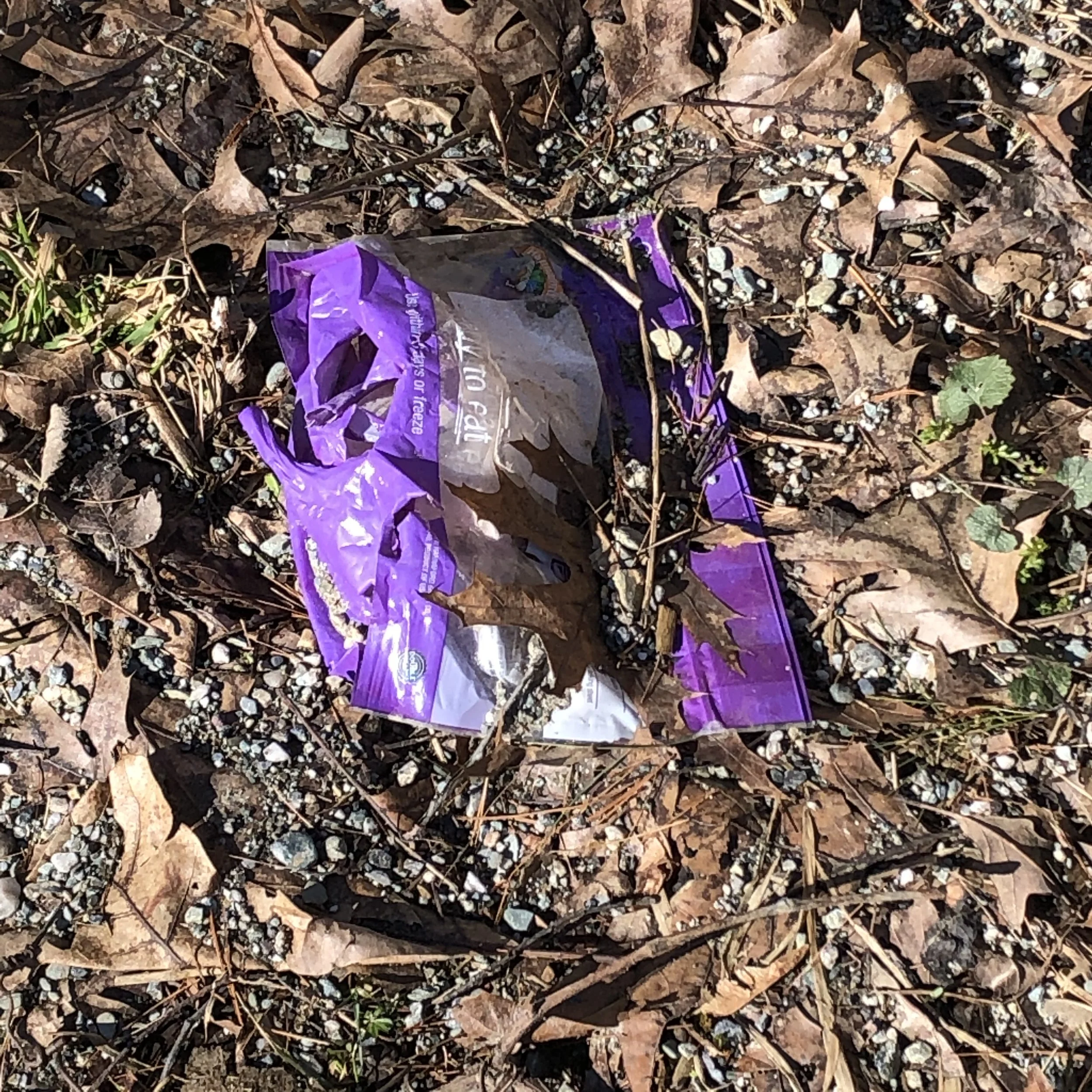
During COVID, I took long walks and photographed things that seemed out of place: yellow lines cutting across trees, blue plastic among gray stones, green glass scattered over gravel, a red bag caught in ice. I was interested in the way an intense color could interrupt an otherwise continuous field. Once I saw the color, everything around it changed. These were not photographs of red leaves or wildflowers. Most of the color was manufactured. It marked the place where someone had passed through, dropped something, broken something, or altered the landscape.
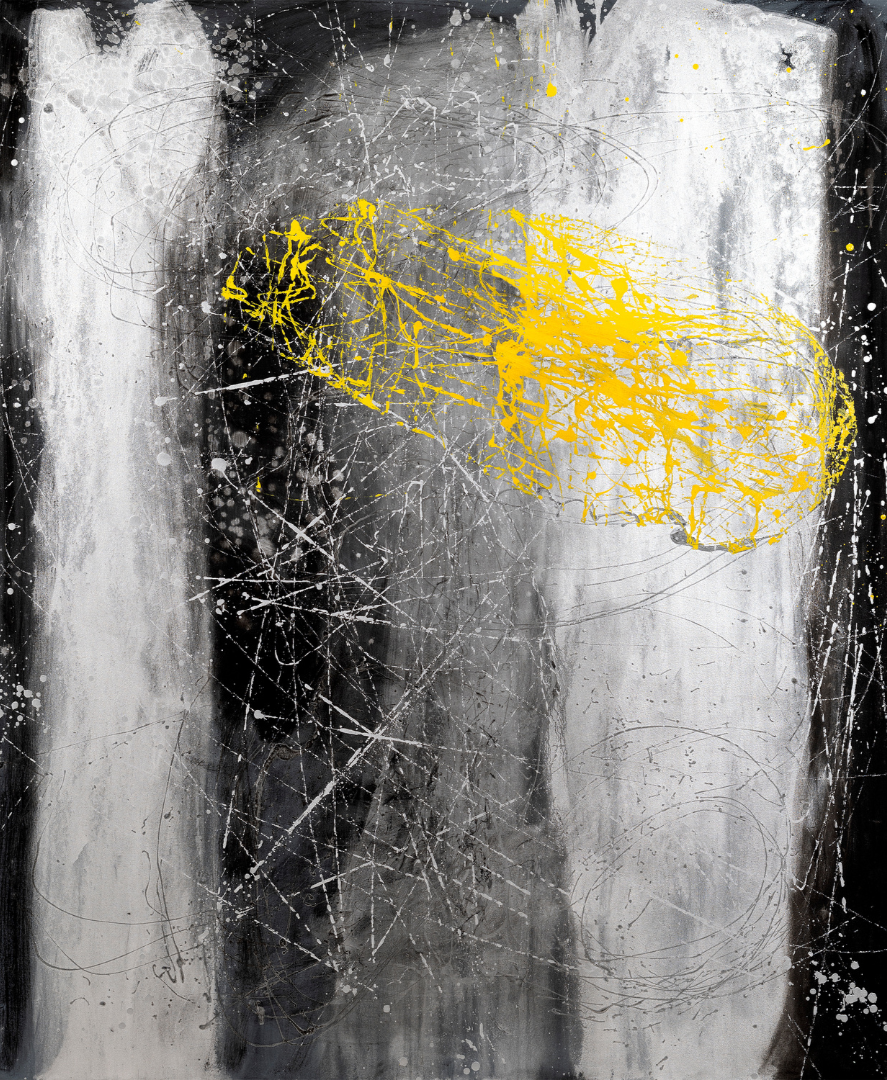
The Glass Bead Game, 72 inches x 48 inches, oil on canvas, ©2026 Leslie Parke
I looked for ways to interrupt both the surface and my habits as a painter. I used my hands, paint-soaked marbles, pours, smudges, drips. I considered painting blindfolded. I was interested in using any procedures that would prevent my trained eye from tidying the painting too early.
I wanted a painting with blobs, not a painting composed of carefully placed blobs.
I soaked marbles in yellow paint and threw them onto the canvas. I could choose the color and initiate the action, but I could not completely control what happened after the marble struck the surface. It bounced, rolled, collided, and left a record of its movement. That is how The Glass Bead Game was made. The title was not metaphorical. Glass beads had made the painting.
The ground of Presence was strangely elegant. It was rough, atmospheric and, in its own way, complete. But that was not the concept of the painting. I wanted to put something on it that came from an entirely different world. I mixed a bubble-gum pink, put my hand into it, and smeared it across the surface. It was frightening. Either it would work or it wouldn’t. Even now, the pink feels like me. I don’t entirely understand why.
The personal entered through the action I was most afraid to take.
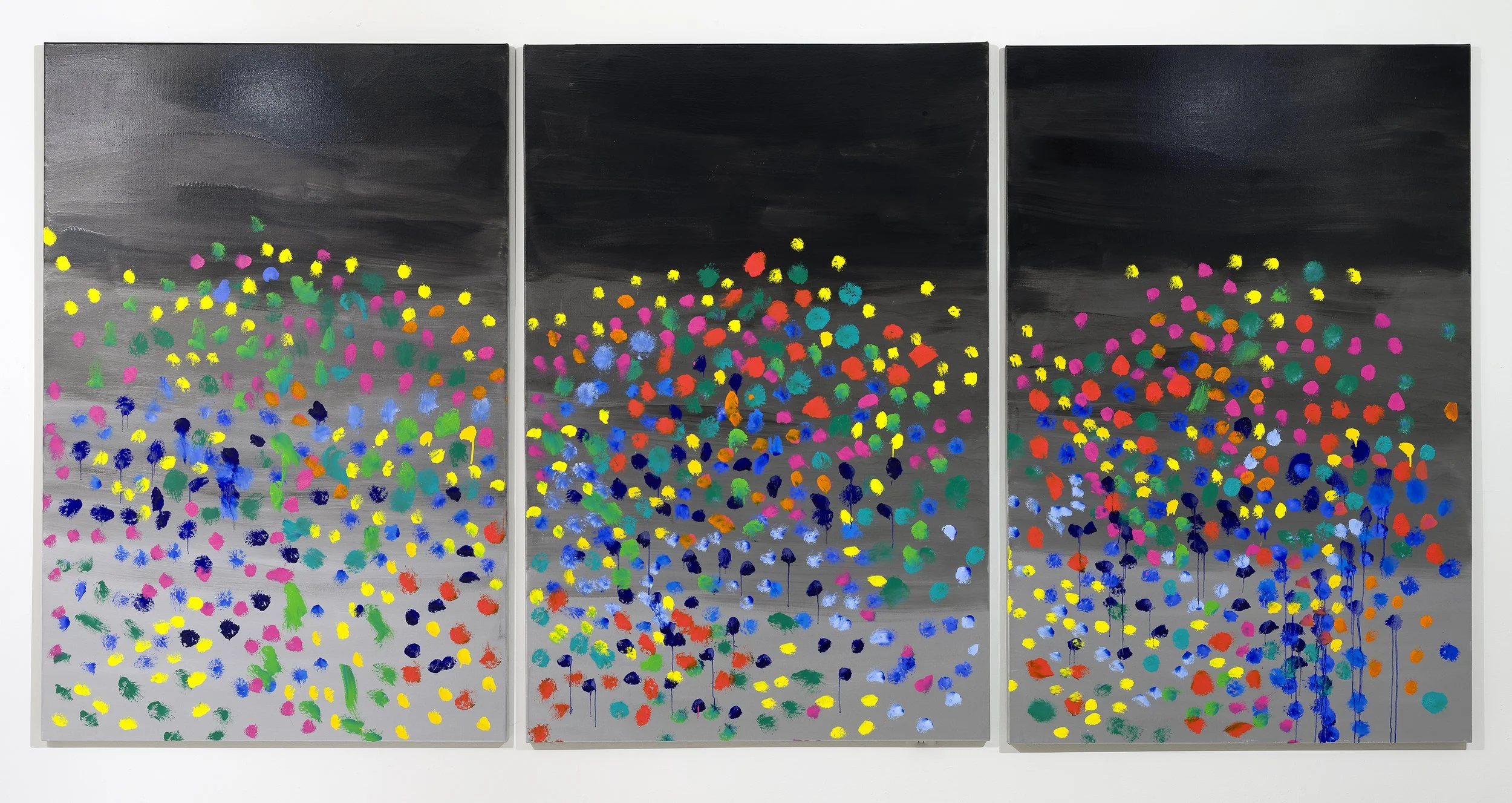
All at Once, triptych, 72 inches x 144 inches, oil on canvas, © 2026 Leslie Parke
With All At Once I wanted something larger. Something that existed more as atmosphere than object. I took three large canvases and developed something that looked more like weather than underpainting. My idea was to build up the surface so the edge between the dark ground and the high-key colors would be the point. I started to lay down blobs of color. I thought that this would be the underpainting. Even so, it was important to me that it avoided deliberate composition. I did not want a carefully balanced arrangement. Some of my marks were thick blobs, some dripped. I reached an awkward, insufficient stage of accumulation, and instead of correcting it, I stopped. I saw a painting with what I thought of as a dopey composition—which is to say, almost no composition at all. I had never allowed myself to leave a painting in that state.
Afterward, the painting reminded me of Howard Hodgkin. His paintings can contain marks that initially seem too blunt, too obvious, too strangely placed. They hover near awkwardness and then veer toward greatness. Correcting the awkwardness would destroy them. Hodgkin did not tell me how to make the painting. He helped me understand why I should leave it alone.
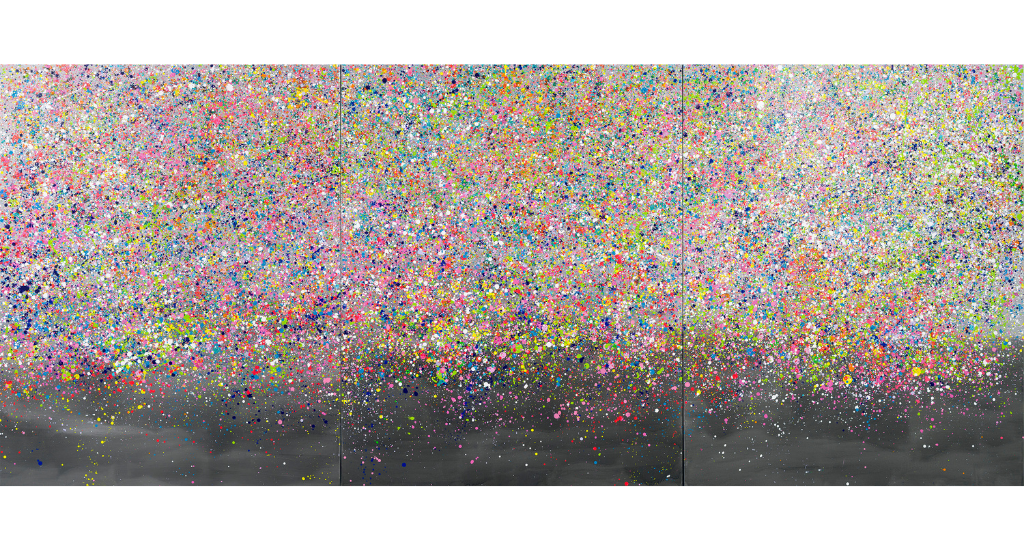
Anti Gravity, 60 inches x 144 inches, triptych, oil and enamel on canvas,©2026 Leslie Parke
In All At Once, the blobs remain separate from the weather. They have happened to it. In Anti Gravity, the denser triptych, the incidents multiply until they begin to generate weather of their own. I do not usually think of my paintings as personal. These feel personal to me, although they do not tell a story about my life. The personal entered through the materials. The most difficult part was not making the disruptive marks. It was deciding not to correct them.
AFTER MAKING THESE PAINTINGS I DECIDED TO DO A DEEP DIVE ON BLACK PAINTINGS. HERE ARE A FEW POSTS THAT I FEEL RELATE TO THIS WORK.
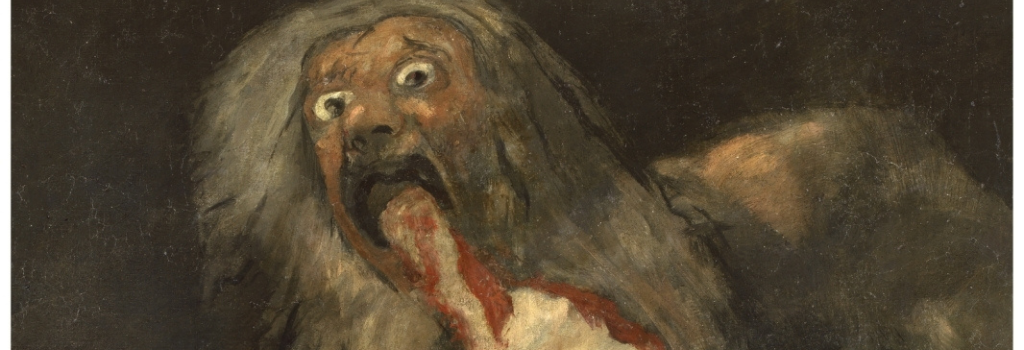
GOYA: LIVING INSIDE THE BLACK PAINTINGS
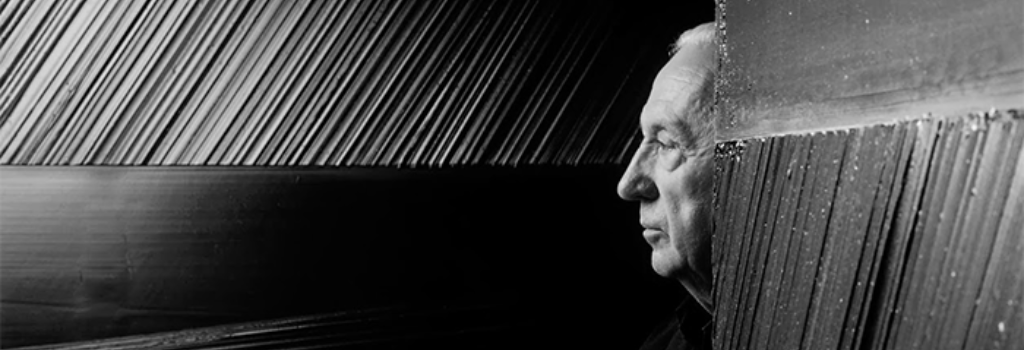
PIERRE SOULAGES: LIGHT REVEALED BY BLACK
FROM THE STUDIO
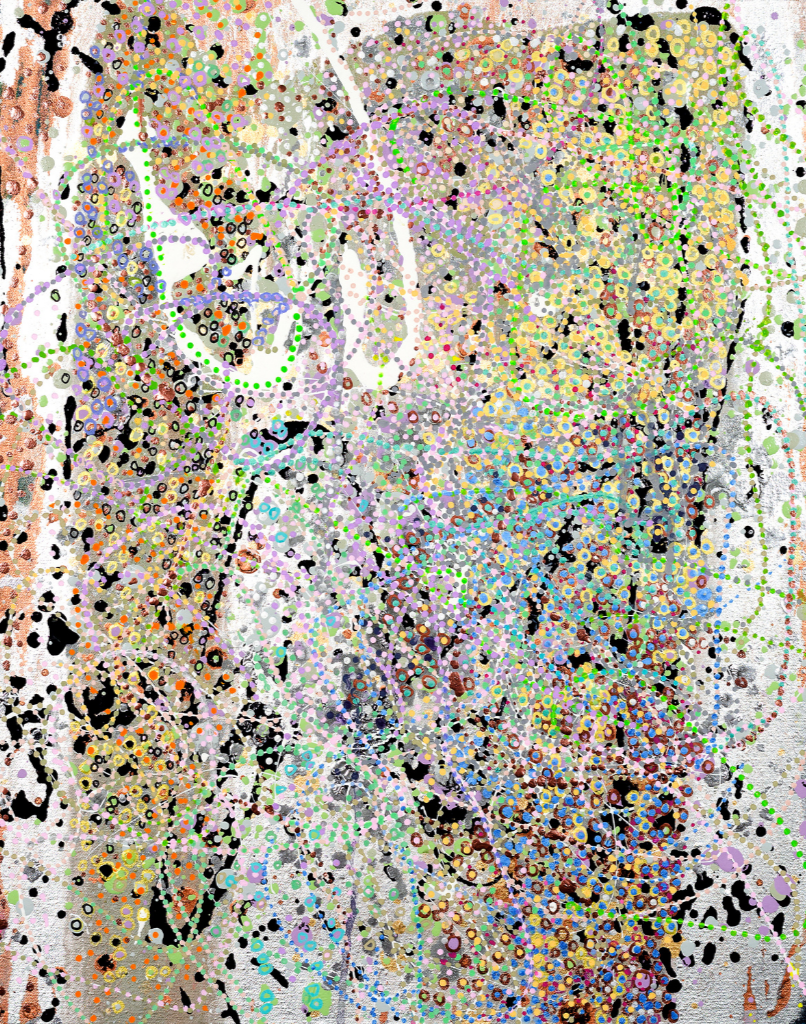
"Light Not Color"- the painting that altered so much in muted light.
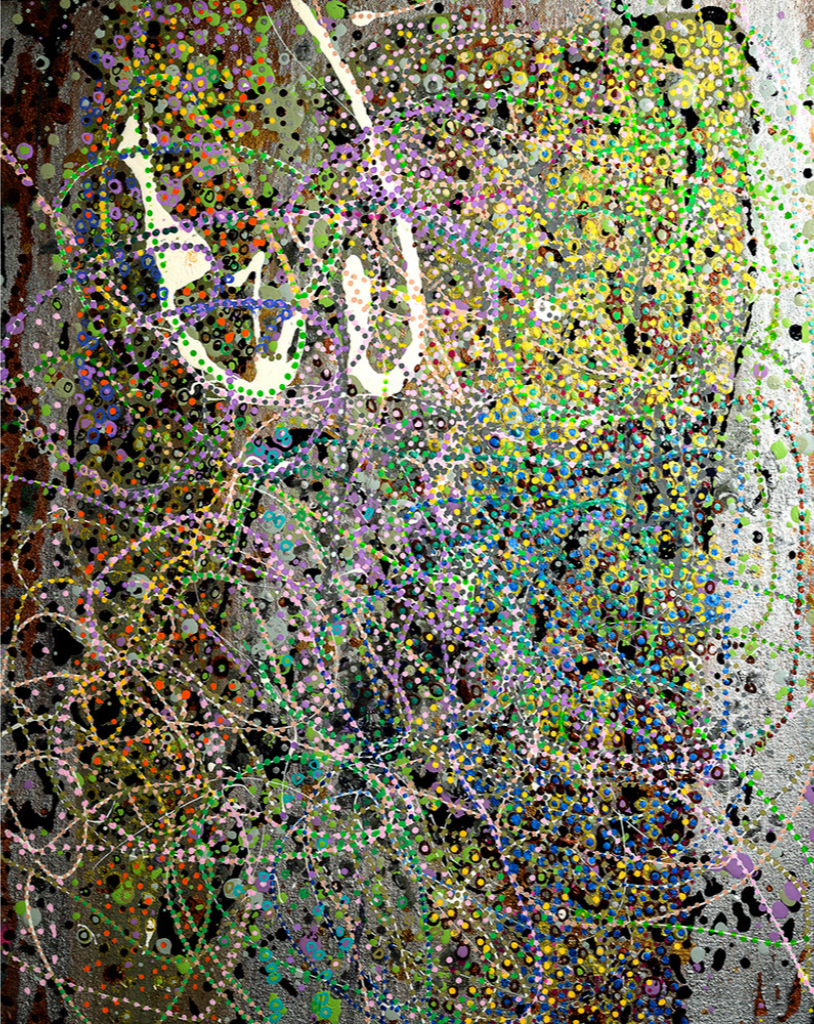
This gives you some idea how the painting changes under low light levels, but it doesn't preserve the magic.
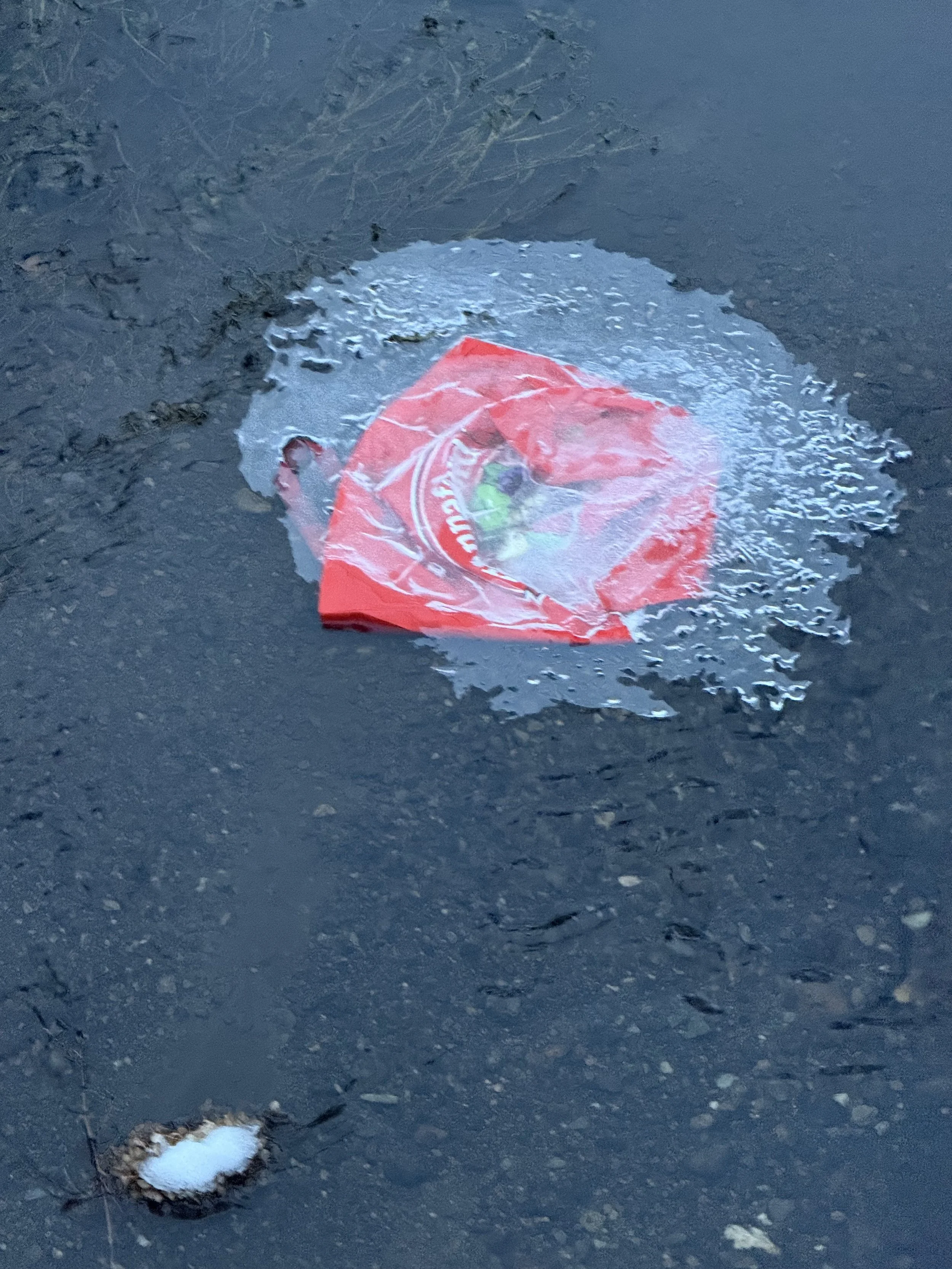
Here are some photographs I took on my COVID walks. Little did I know how they would relate to my paintings six years later.
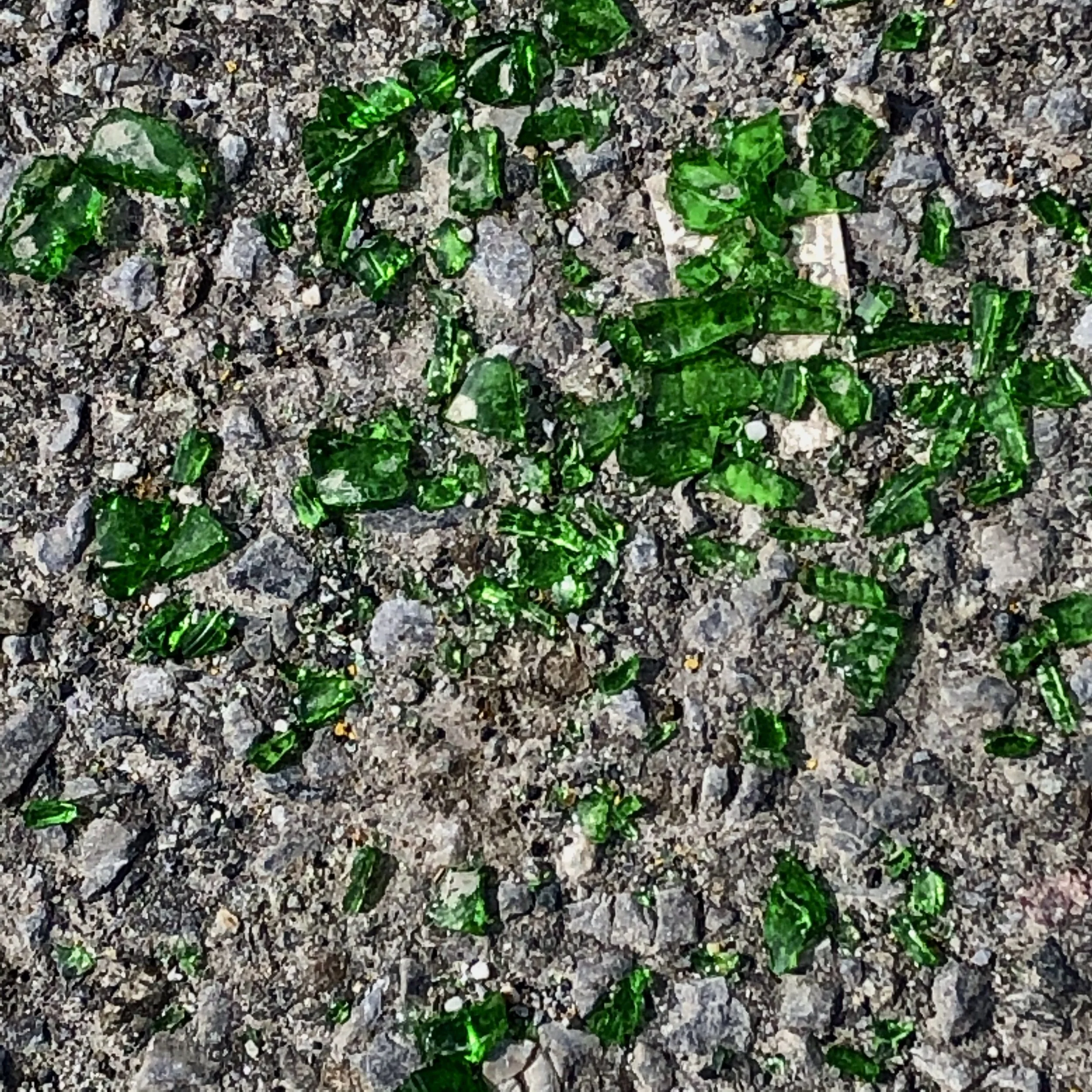
I like that this painting holds both beauty and danger. After my surgery, I imagined my arms resting on pillows embedded with tourmalines. Perhaps that came from this also.
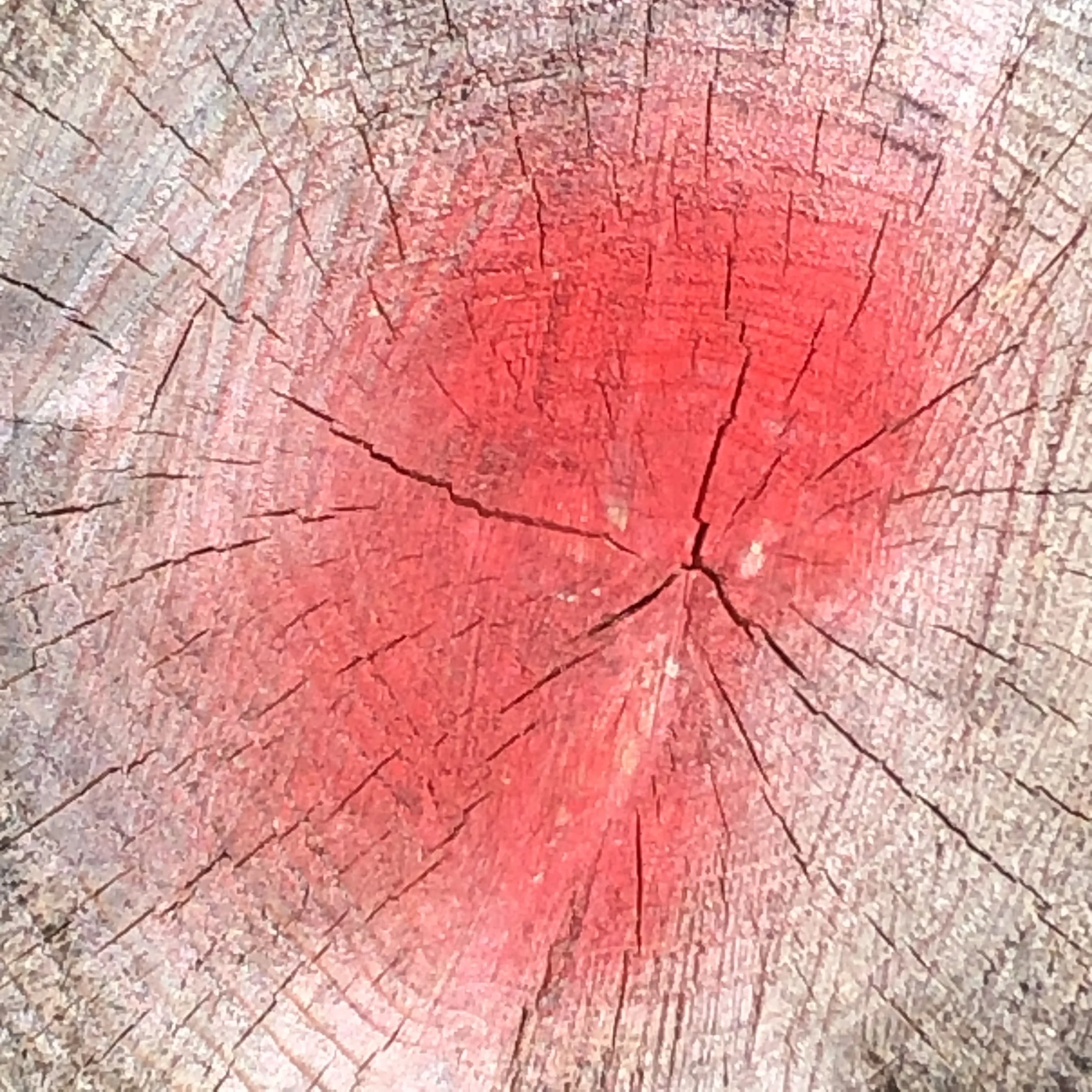
In all of these, I think that color announces human interference.
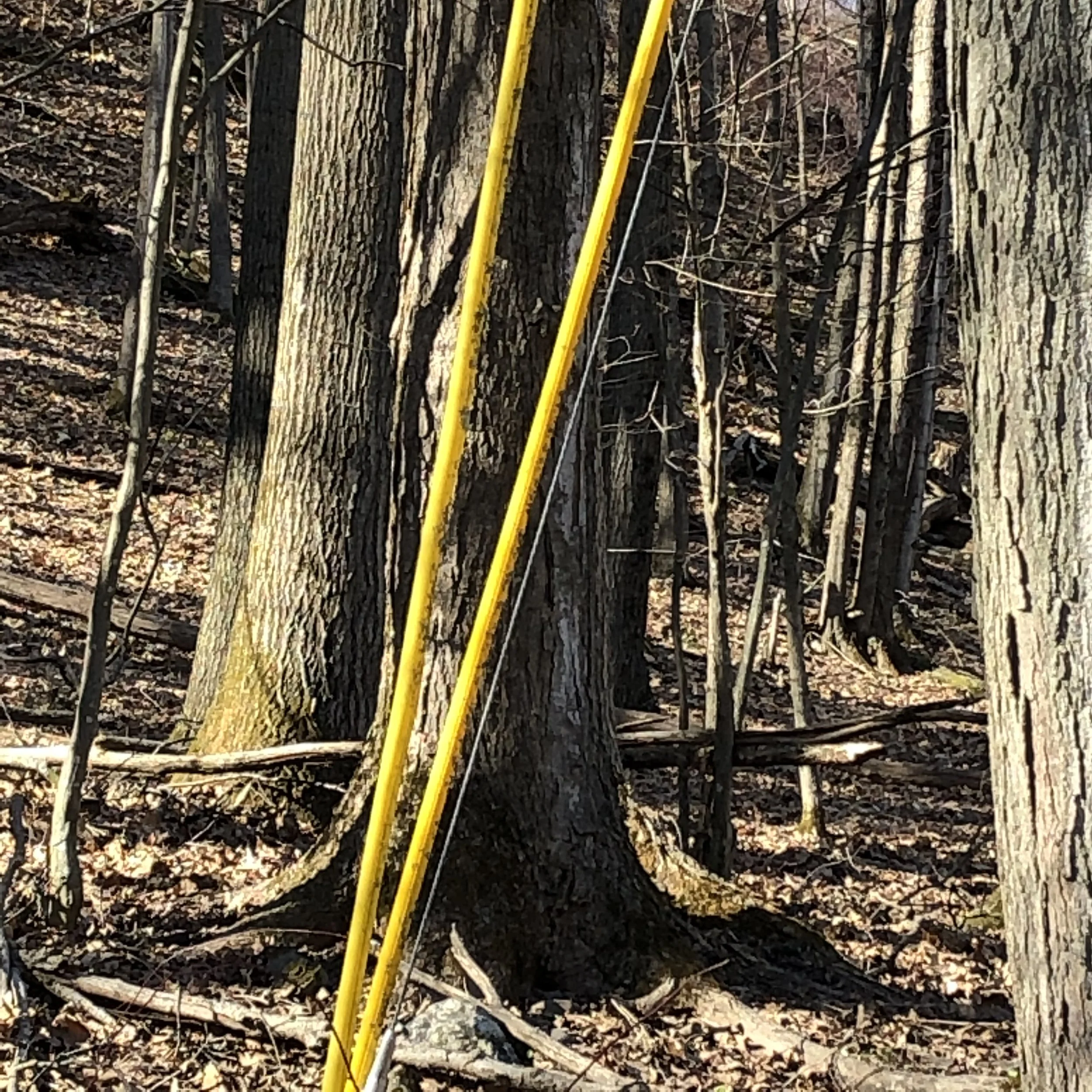
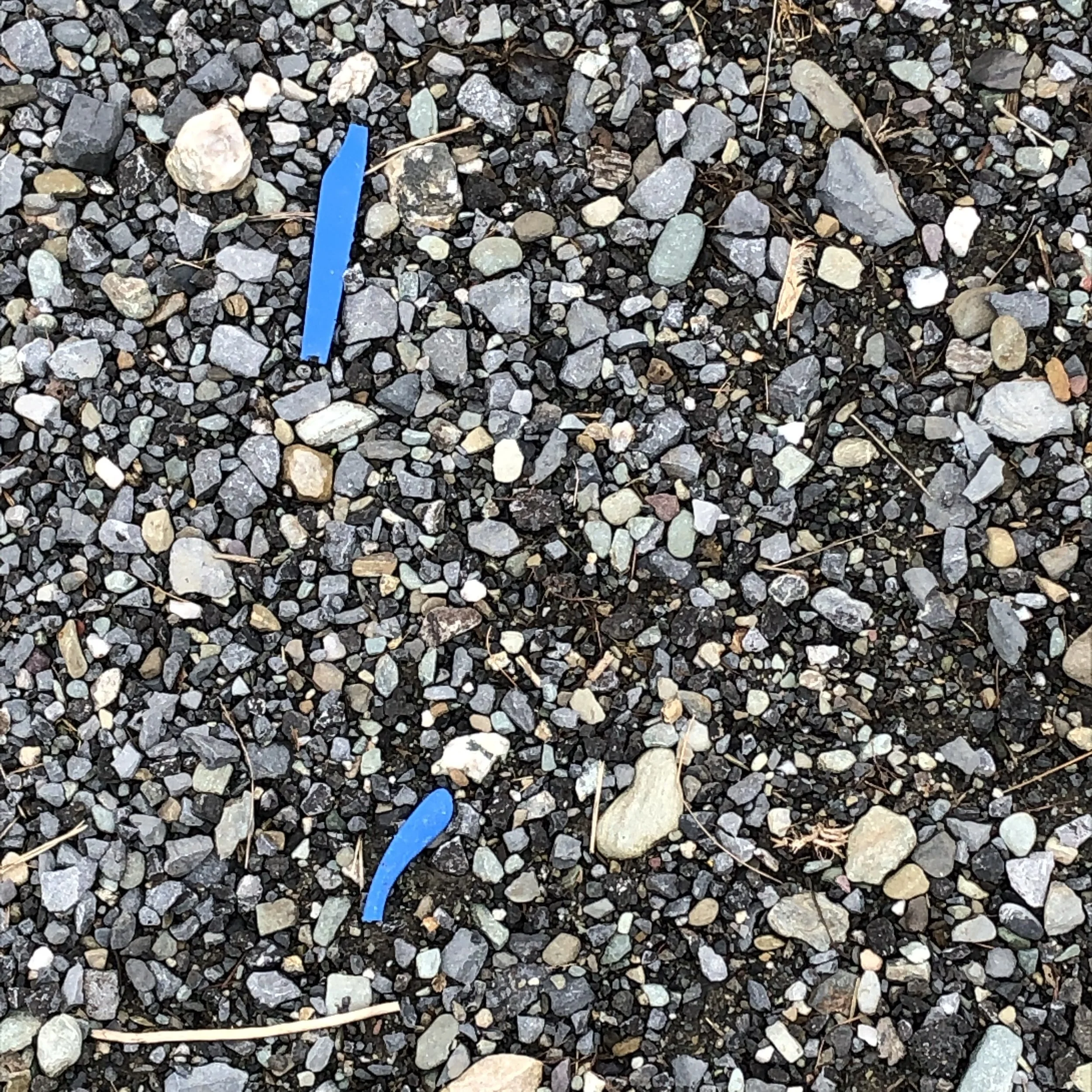
The color is doing a lot of work here.
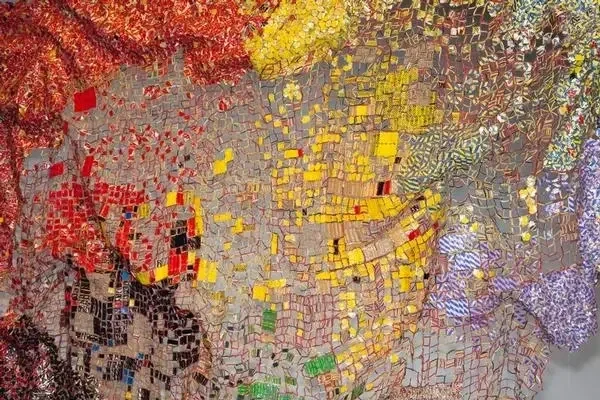
This detail from a work by El Anatusi entered my thinking.
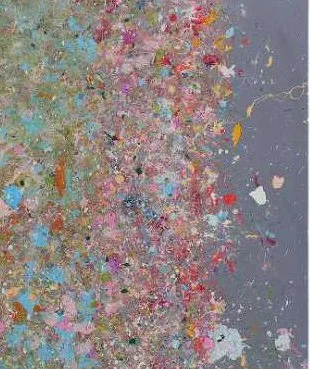
Somewhere in the back of my mind was a detail from a Damien Hirst painting of a shoreline. I did not want to make a Hirst painting. The detail simply gave me permission to imagine blunt units of color occurring against an atmospheric ground.
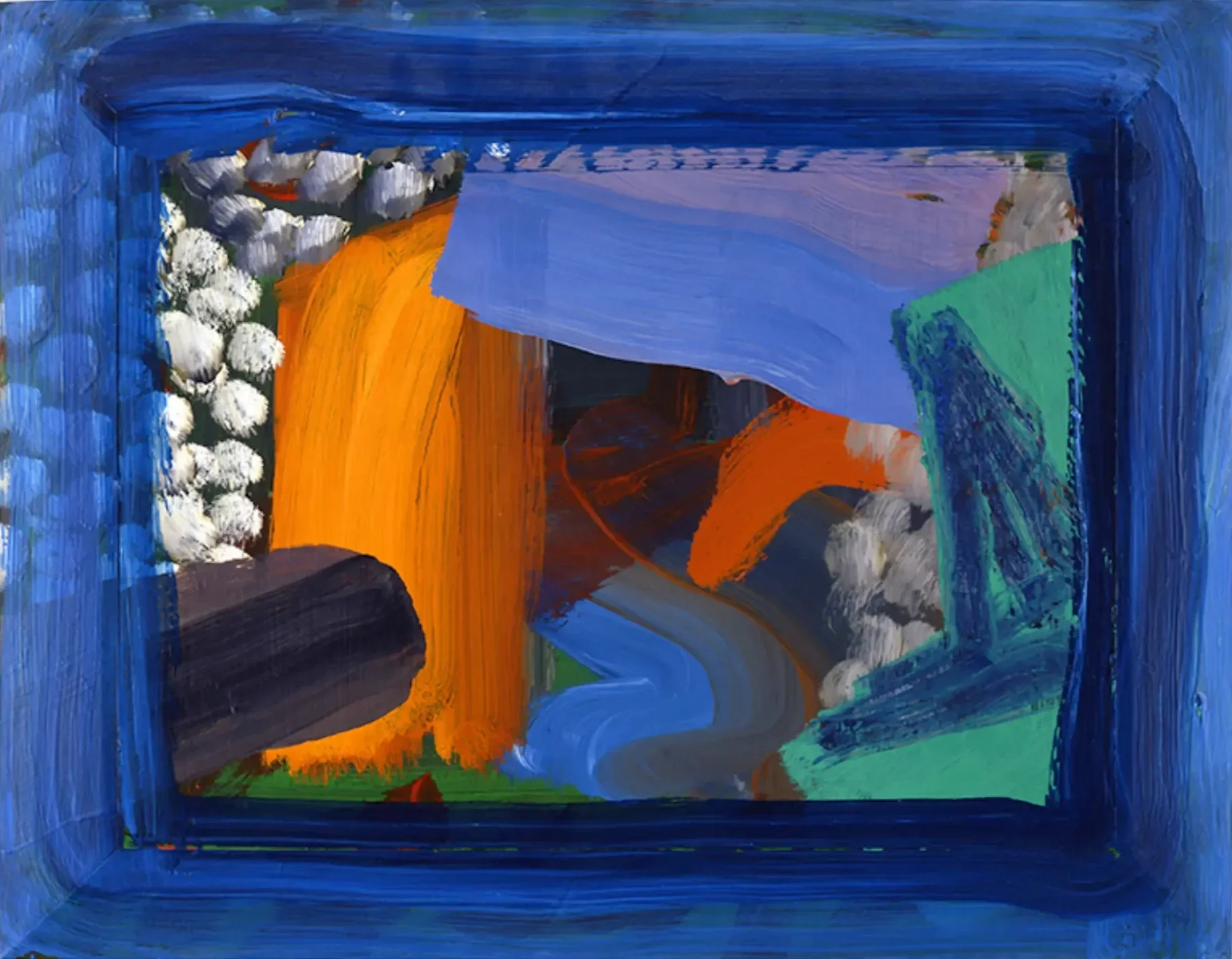
An influence may give you permission without telling you what to do. This is a Howard Hodkin painting.