
blog
ALL | ABOUT MY WORK | EVERYTHING ELSE
GENTILE DA FABRIANO: THE ARTIST BEHIND THE BELLINI WORKSHOP
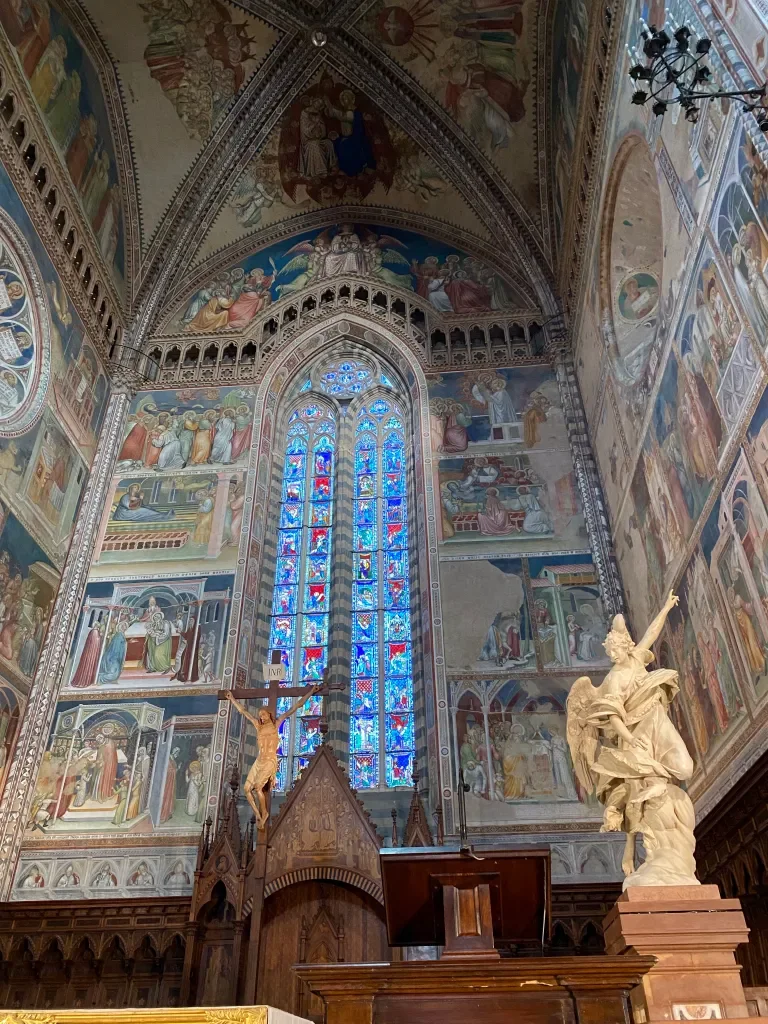
When Jacopo Bellini joined Gentile da Fabriano’s workshop, he wasn’t just learning to grind pigment and paint a hand. Gentile was one of the most successful artists in Italy, and for the next decade or more Jacopo followed him from city to city: Venice, Brescia, probably Fabriano, then Florence, and perhaps beyond. Gentile worked for Pandolfo Malatesta, lord of Brescia, for Palla Strozzi, one of the richest men in Florence, and in the end for the pope. Jacopo was learning to paint. He was also watching a man run an art business.
PISANELLO: THE OTHER HEIR TO GENTILE’S WORLD
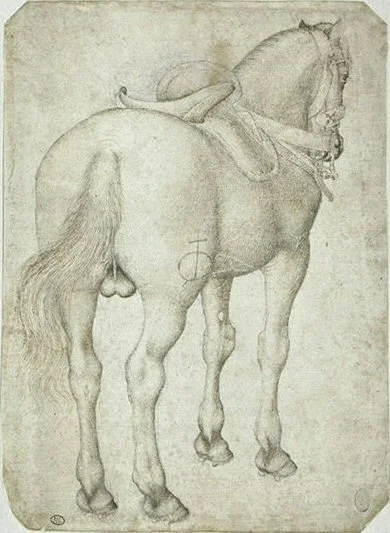
Scholars disagree about where Pisanello fits. Luke Syson and Dillian Gordon, who organized the National Gallery’s Pisanello exhibition in 2001, argue that he was Gentile’s pupil and then worked beside him in Venice on the great narrative cycle in the Hall of the Great Council. Keith Christiansen, Gentile’s biographer, wasn’t convinced. He thought the dates too murky to prove that Pisanello was a pupil, and he allowed that Pisanello may have been closer to a colleague. Jacopo, on the other hand, joined Gentile as a boy and stayed for years. Nobody can show that all three ever worked in the same room.
JACOPO BELLINI ARRIVES IN FLORENCE: THE FUTURE IS ALREADY THERE
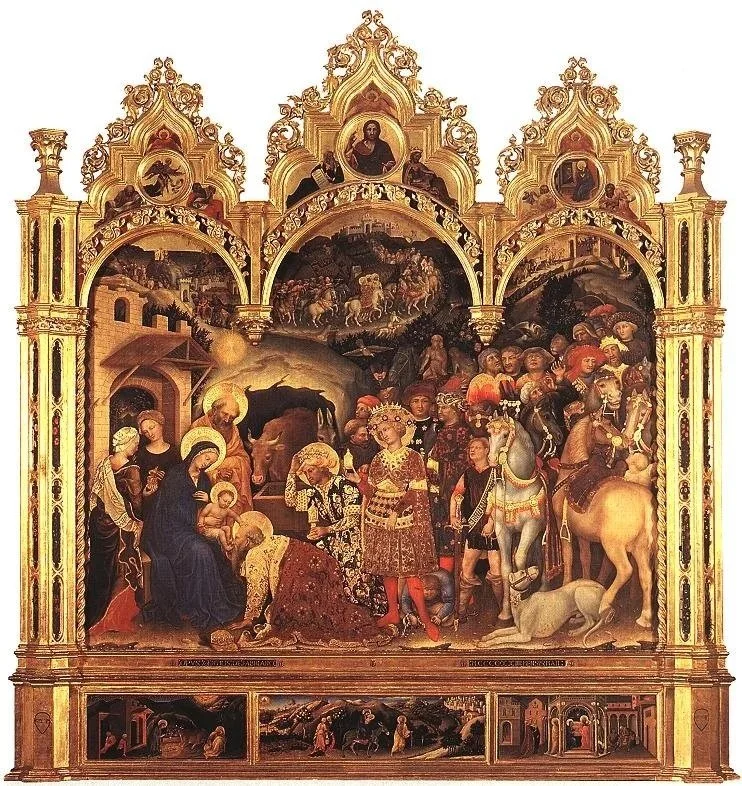
Back in 1419, when Gentile da Fabriano left Brescia with his young Venetian assistant, Jacopo Bellini, in tow, he wasn’t really headed to Florence. He was headed to the pope. Martin V, newly elected and not yet able to return to Rome, was living at Santa Maria Novella, and Gentile had promised to join him once he finished the chapel he was painting for Pandolfo Malatesta in Brescia. He made his way south by way of Fabriano, and by 1420 he had rented a house and workshop in Florence near Santa Trinita. The pope soon moved on to Rome. Gentile stayed, because Palla Strozzi made him an offer.
THE ROCKY BEGINNINGS OF THE BELLINI WORKSHOP
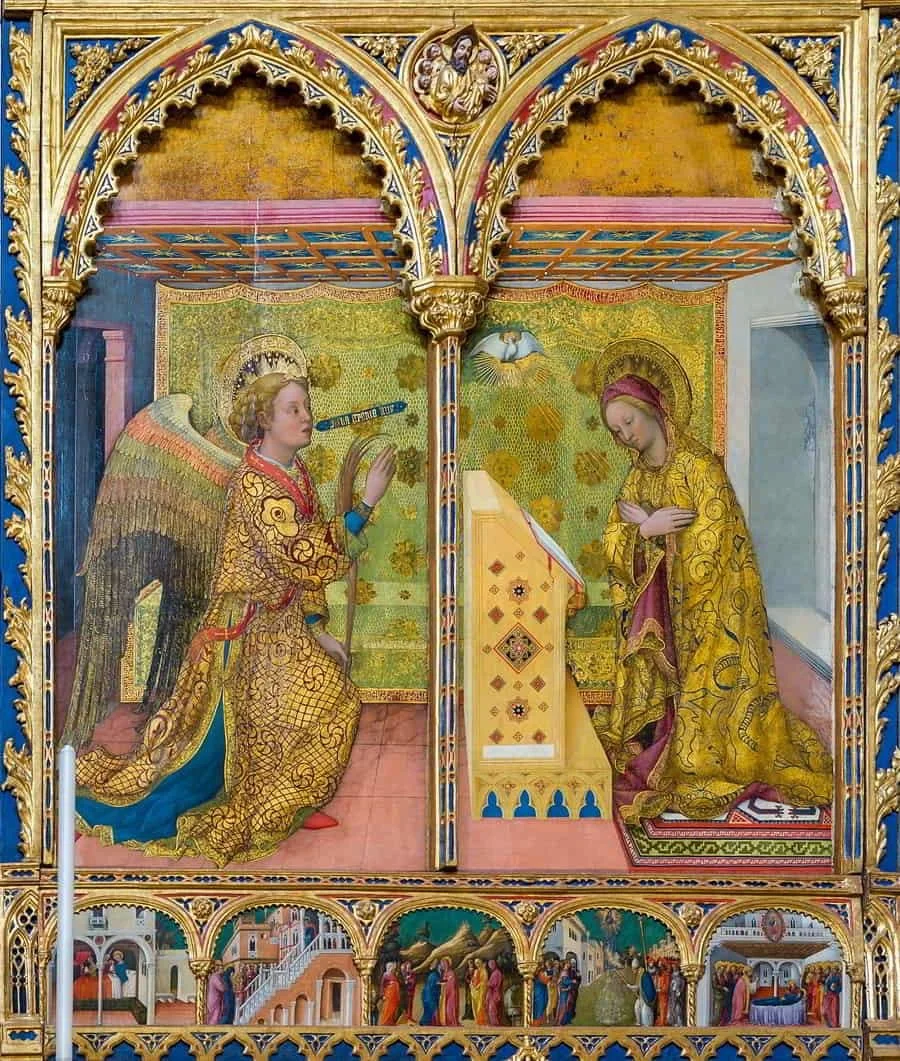
Jacopo Bellini came home to Venice with the best reference a painter could have: his apprenticeship with Gentile da Fabriano. There was just one problem. Venice was already full of Gentile. He had painted the walls of the Great Council Hall and run a workshop in town, and for twenty years Venetian painters had been helping themselves to his gold, his brocades and his sweet-faced Madonnas. The market was saturated with Gentile-like decoration. There was no room for another imitator, even a superior one.