
THE IMPRESSIONISTS AT TABLE : Where they ate, who paid and why it mattered
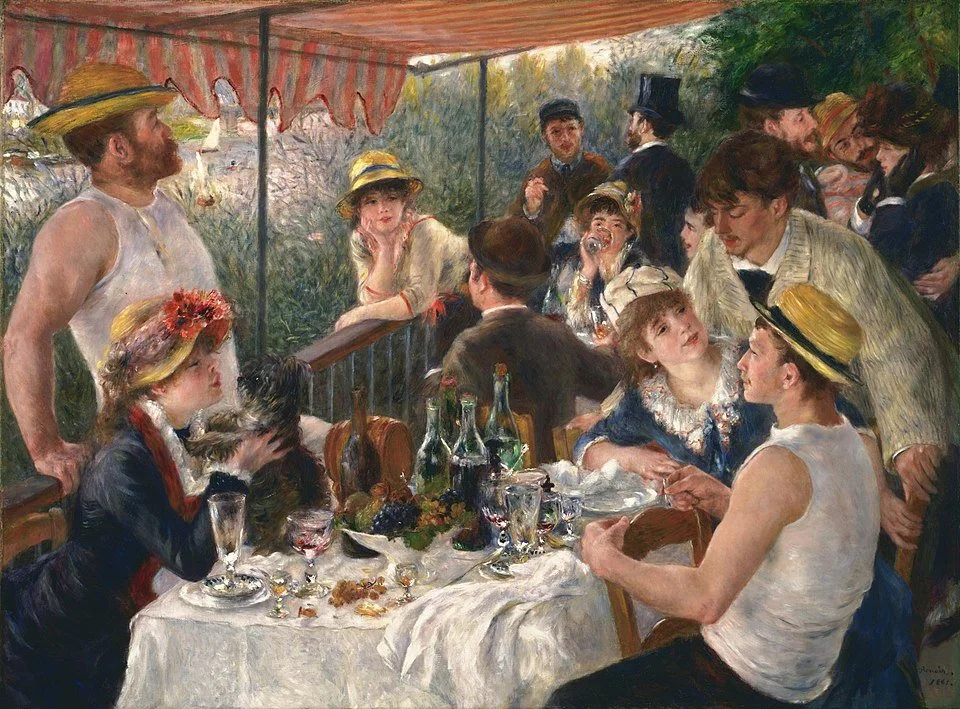
Few things reveal the inner life of artists more than where they choose to eat once they finally have a franc in their pockets. For the Impressionists, dining was never simply sustenance—it was strategy, camaraderie, theater, and the occasional act of defiance. Their restaurants tell the story of their rise: from noisy cafés of argument to polished dining rooms where turbot arrived under silver domes.
CAFÉ GUERBOIS : WHERE THE SEAMS STILL SHOW
Before fame and before reliable income, the hub was Café Guerbois, near the Batignolles studios. Manet presided like a benevolent general; Monet, Renoir, Degas, and Zola gathered in what was less a café than an intellectual wrestling ring. The food was mediocre, but the arguments were epic.
Who paid: Whoever had just sold something, which often meant Manet, whose family money kept the absinthe flowing.
Exists today? No—but the address still stands, and the spirit of artistic combat hovers over the sidewalk.
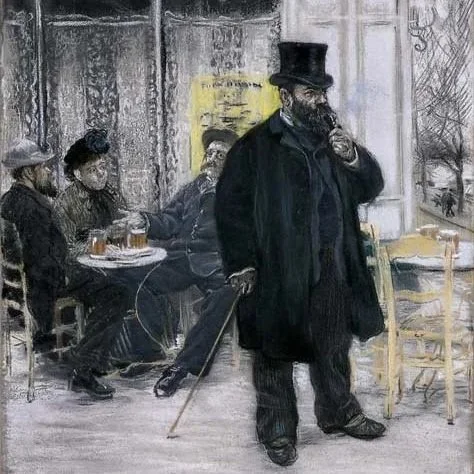
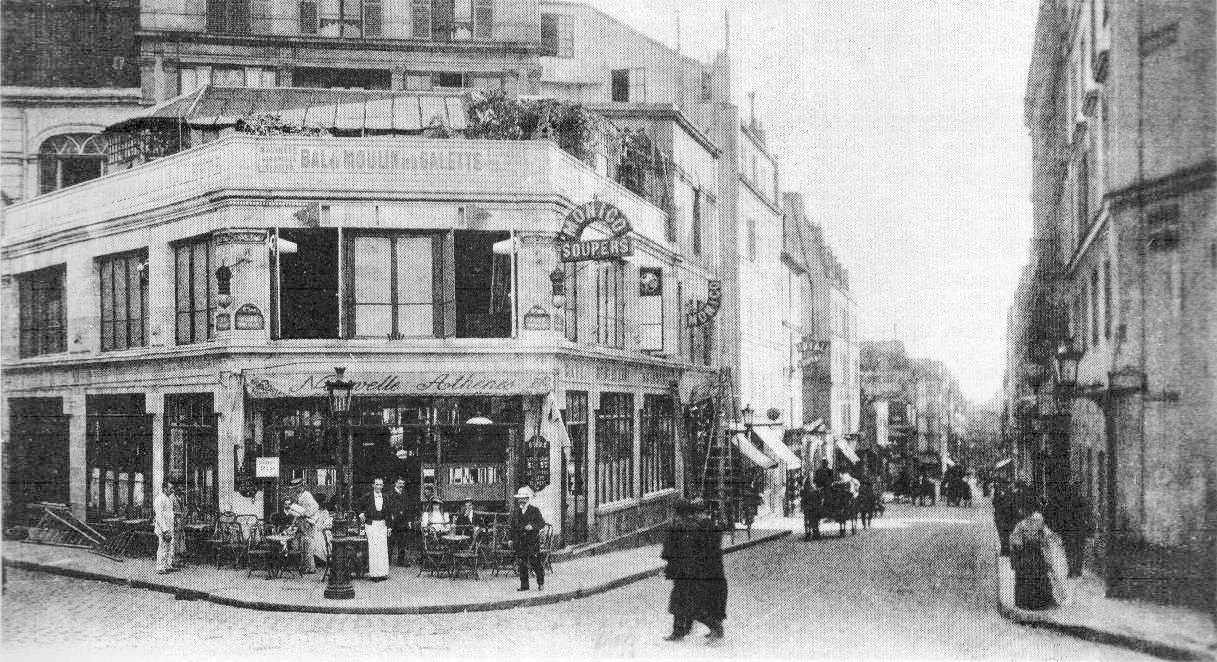
LA NOUVELLE ATHÈNES — ABSINTHE, POSTURING, AND A FEW BILLS NEVER SETTLED
A café with mirrors, marble-topped tables, and a clientele that mixed artists with louche aristocrats. Degas favored it; Renoir enjoyed the parade. It was where serious painters pretended not to notice they were being noticed.
Who paid: Often Degas, surprisingly. He was famously tight with money, except when generosity served his sense of drama.
Exists today? No—the building was converted many times over, its bohemia long since varnished away.
MAISON FOURNAISE — RENOIR’S OPEN-AIR SALON
On the Île de Chatou, reachable by train and hope. This was not haute cuisine but a joyful mess of summer lunches, river breezes, and flirtations. The menu: eel, trout, roast chicken, fruit tarts, wine poured with a wink.
Who paid: Caillebotte, more often than not. Born wealthy, he picked up tabs quietly, leaving Monet and Renoir free to pretend they'd intended to.
Exists today? Yes—beautifully restored. You can sit where the Boating Party sat.
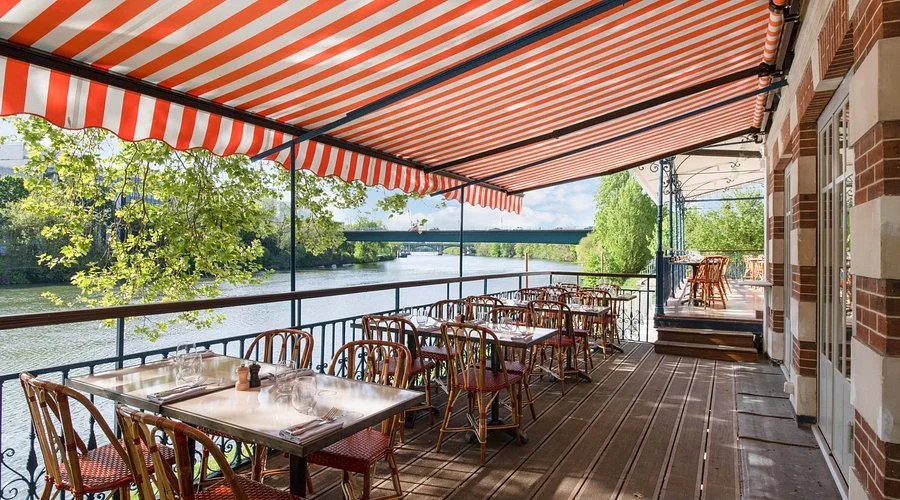
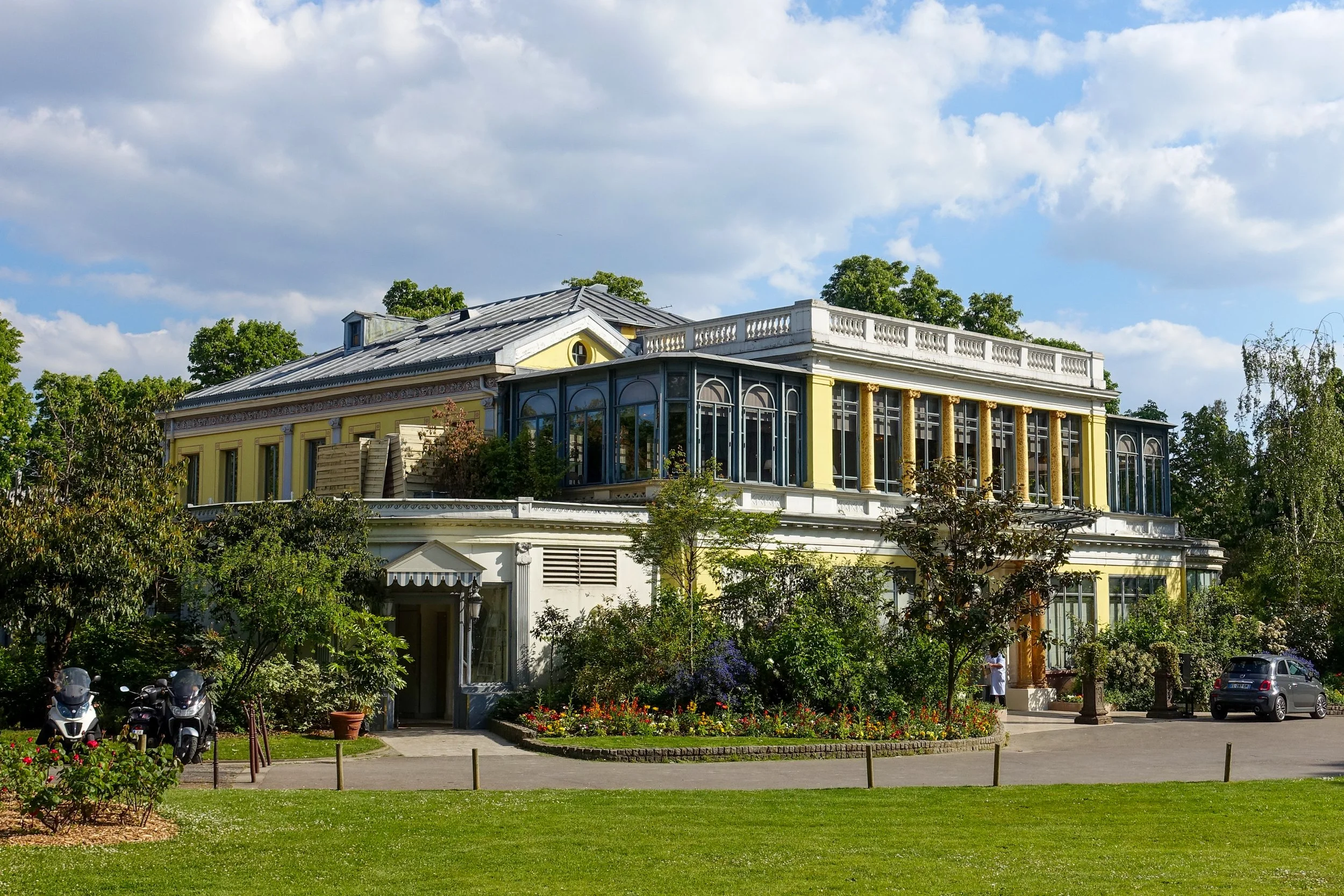
LEDOYEN — MONET AND CAILLEBOTTE ASCEND
When money finally began to come in (modestly), Monet and Caillebotte treated themselves at Ledoyen, then one of the most fashionable restaurants in Paris. The food leaned rich: quenelles, turbot, poultry with truffles.
Who paid: If Caillebotte was present, he insisted. Monet—who was chronically broke—rarely argued.
Exists today? Yes—a Michelin-starred temple on the Champs-Élysées.
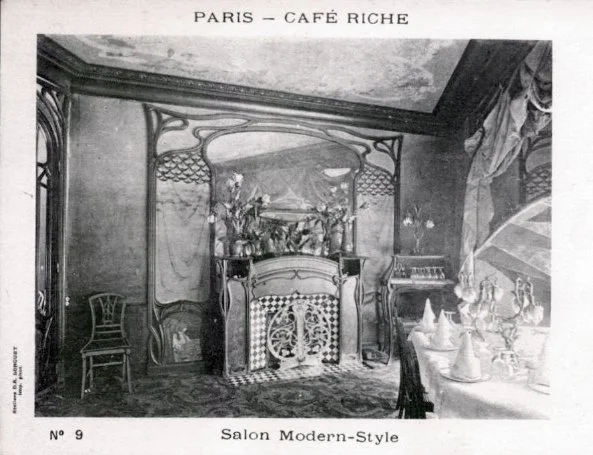
CAFÉ RICHE — THE STAGE-SET OF SUCCESS
By the 1880s, the artists had arrived. Mirrors, chandeliers, velvet banquettes—Café Riche was where you went to be seen. Renoir adored it. Zola held court. The waiters were intimidatingly professional.
Who paid: By this era Monet sometimes could, though never without calculating anxiously. Renoir, ever the optimist, did not worry if the numbers didn’t perfectly add up.
Exists today? No—it closed in 1916.

LE GRAND VÉFOUR — A DINING ROOM FOR MEN WHO HAD SURVIVED CRITICS
Nestled in the Palais-Royal, this was a pinnacle of refinement: silver domes, painted panels, sauces requiring entire brigades. By the 1890s, the Impressionists visited for celebrations, especially after successful auctions.
Who paid: Depends on who had just sold at the Hôtel Drouot. The tradition was simple: the seller treats the table.
Exists today? Yes—as lavish as ever.
LONDON INTERLUDE — EATING IN EXILE (FRANCO-PRUSSIAN WAR, 1870–71)
When the war scattered them, several Impressionists retreated to London. Their dining was shaped by English pragmatism and the few places serving decent meals.
Simpson’s-in-the-Strand: Roast beef, ale, dark wood paneling. Monet found it reassuringly solid.
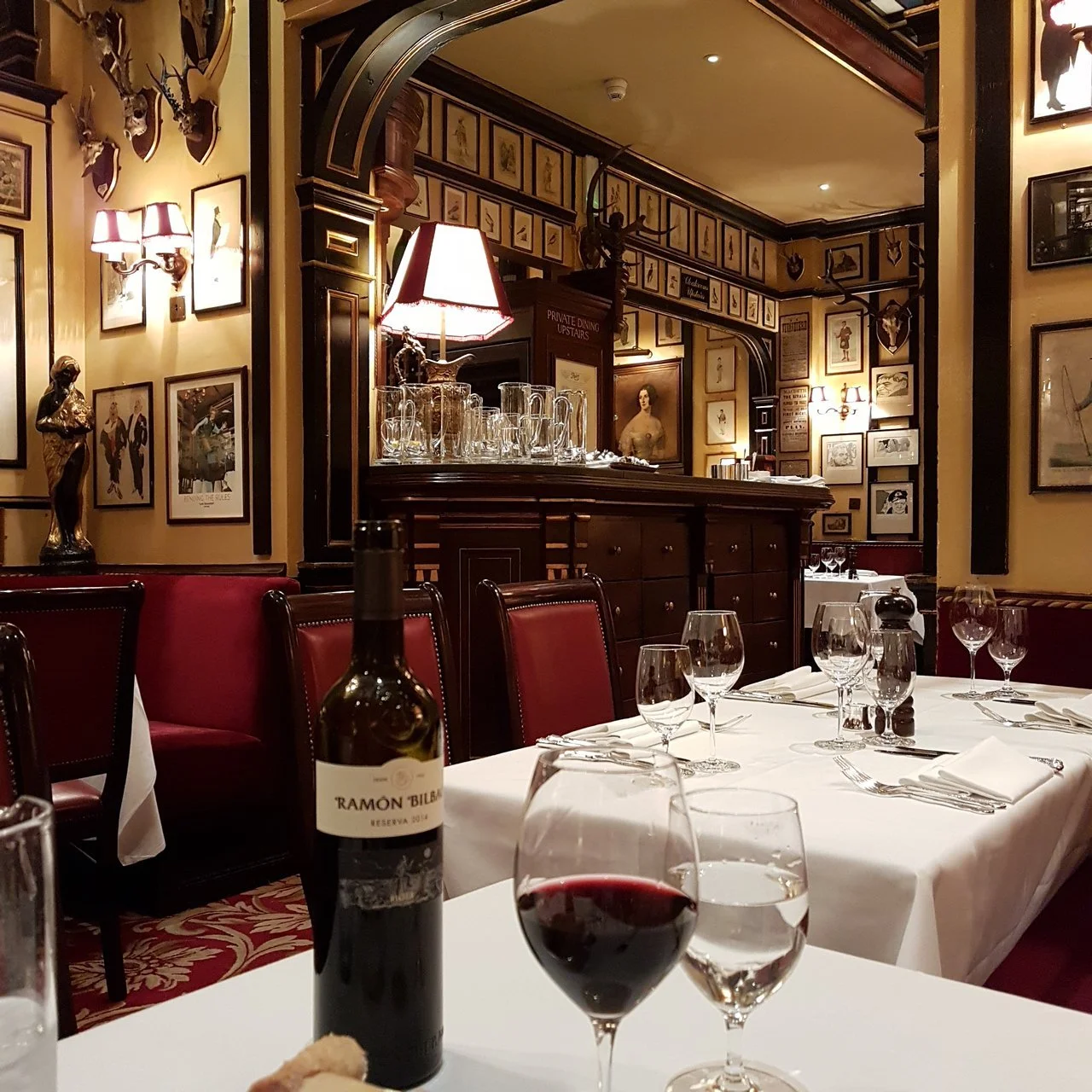
Rules (Covent Garden): The oldest restaurant in London, good game dishes. A favorite of visiting Frenchmen trying to understand the British.
The French House (Soho) didn’t yet exist, but smaller French cafés did—and these are where they huddled, reading war bulletins with dread.
Who paid: Daubigny occasionally, or patrons who felt sorry for the refugees.
Exists today? Simpson’s and Rules are still thriving.
A FOOTNOTE — THE CAFÉ ANGLAIS AND BABETTE’S FLIGHT
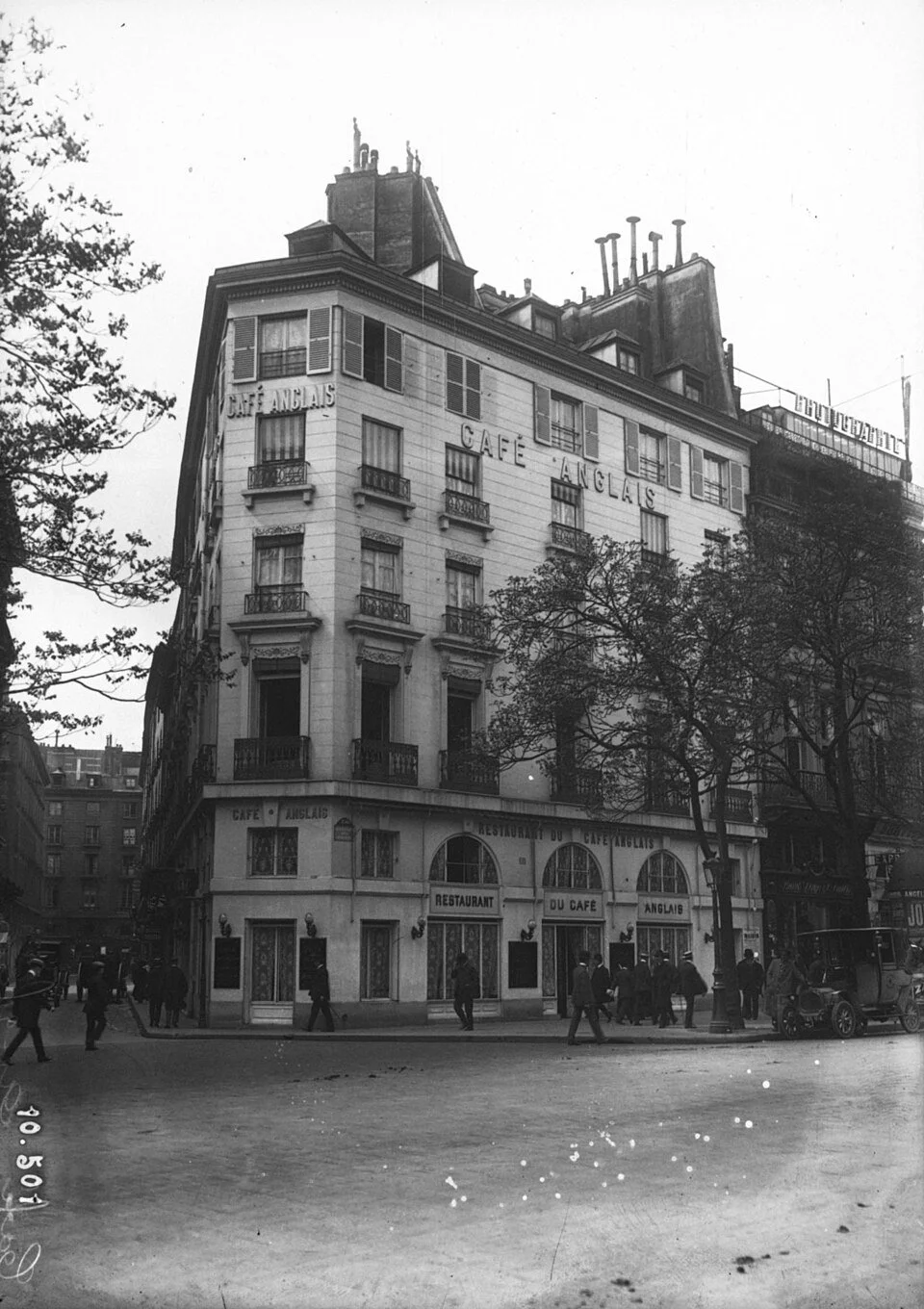
The Café Anglais, where Babette was imagined to have been head chef, was no ordinary restaurant. Located on the Boulevard des Italiens, it was the dazzling apex of Parisian dining in the 19th century.
Its legendary chef Adolphe Dugléré devised dishes whose glory echoed across Europe.
Wealthy diners ordered grand banquets like the Dinner of the Three Emperors (Tsar Alexander II, the King of Prussia, and Prince Bismarck).
Babette’s departure during the Commune of 1871 reflects the historical reality: many cooks and servants fled Paris in the violence.
The Café Anglais closed in 1913. Its myth, however, lives on—largely thanks to Karen Blixen’s story.
IN THE END: HOW ARTISTS EAT WHEN THEY NO LONGER STARVE
Dining became a barometer of the Impressionists’ fortunes. They began in smoke-filled cafés where the menus were afterthoughts, and ended in dining rooms where waiters in white gloves whispered the specials. What changed was not merely income, but confidence—the ability to claim a seat in a world that had once shut them out.
This, too, is art history: the story of who sat at which table, who picked up the bill, and how good company can turn a meal into a manifesto.