
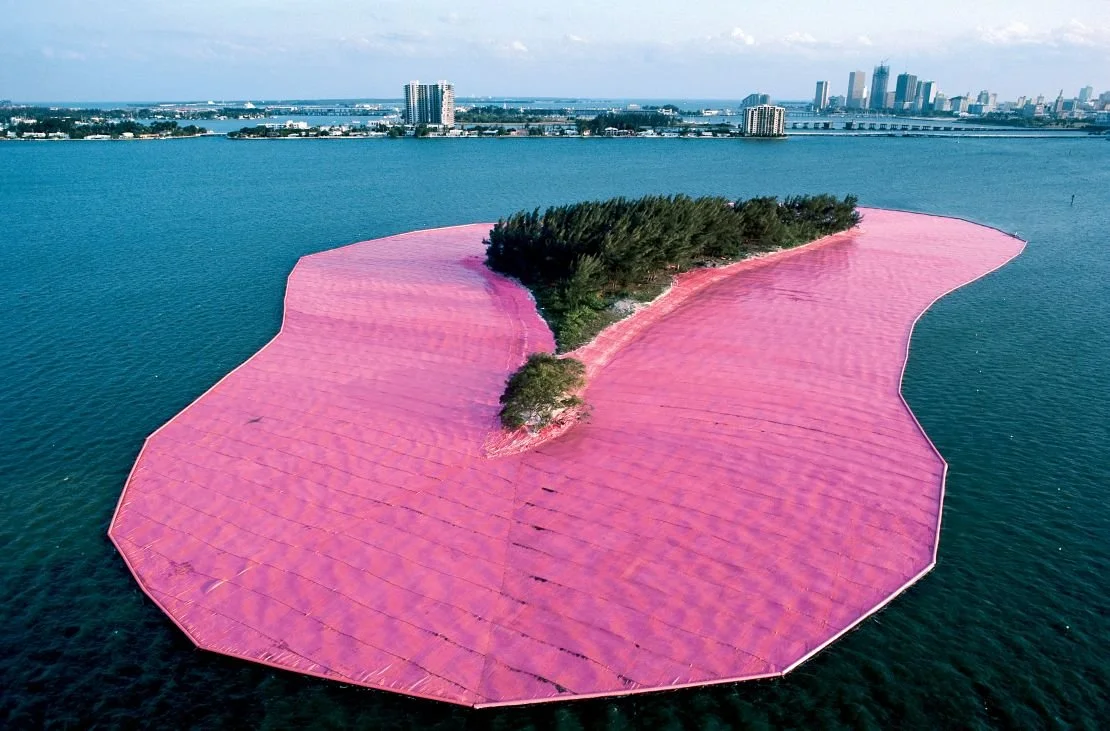
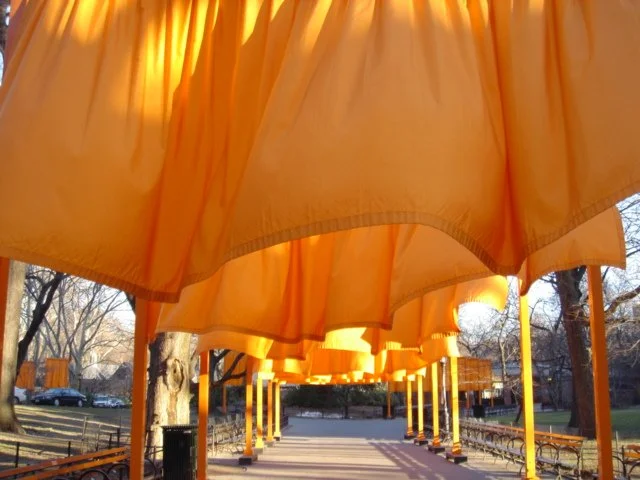
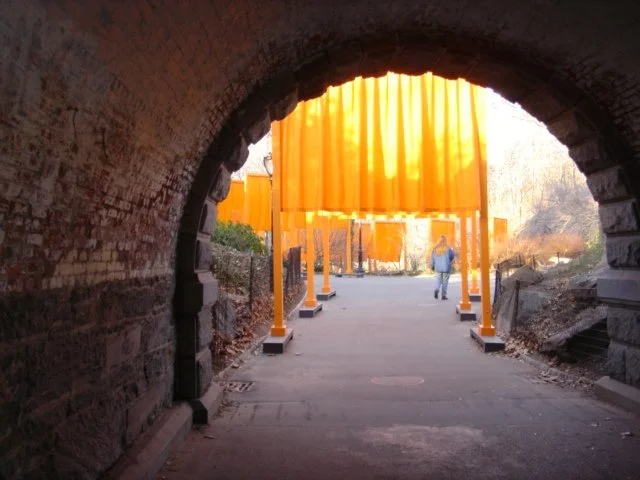
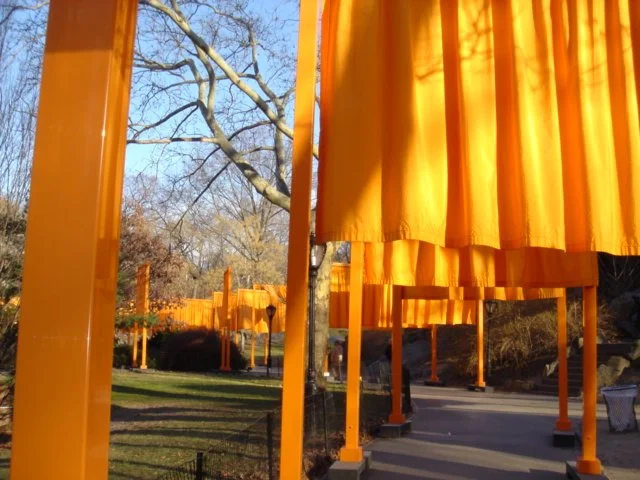
Jeanne-Claude and Christo, Surrounded Islands
When Surrounded Islands appeared in Biscayne Bay in 1983—eleven islands ringed with floating pink fabric—the work felt unmistakably whole. Monumental, precise, improbable. It looked like a single idea carried out with absolute conviction. What it did not appear to be was a late addition to an already established practice. And yet, in a quiet but consequential way, it marked a public shift: the acknowledgment that Christo and Jeanne-Claude had always been working together.
The project itself had been Jeanne-Claude’s idea. Years earlier, she had imagined encircling islands with color, turning geography into drawing. What followed was not simply execution but negotiation—environmental studies, permits, fundraising, political patience. The scale made something newly visible. The fiction of solitary authorship could no longer hold.
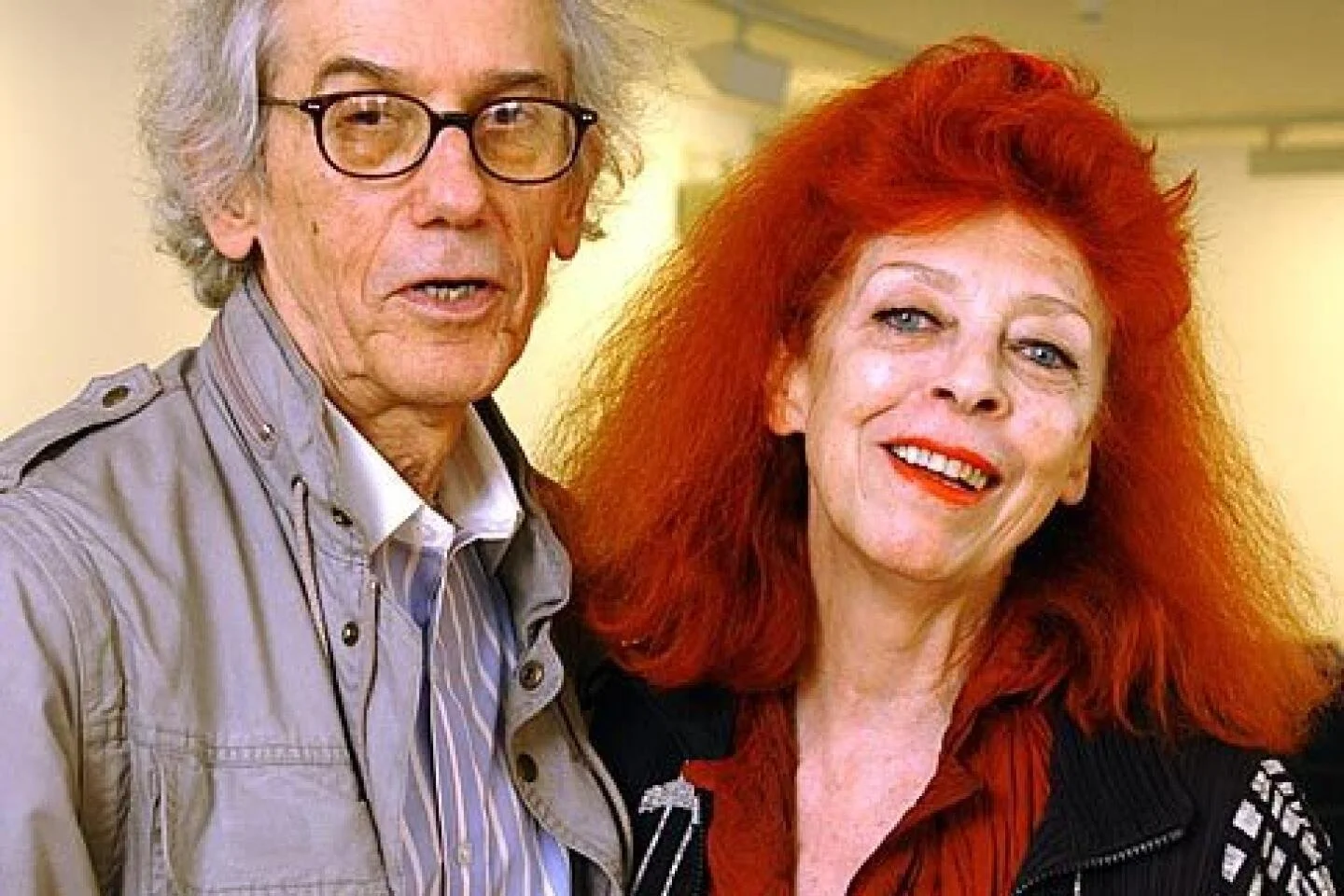
When they publicly announced that the work was collaborative, nothing about the practice changed. There was no stylistic turn, no recalibration of ambition. The announcement functioned as a correction rather than a reinvention. The collaboration had been there from the beginning; only the language had lagged behind.
This delay is worth lingering over. It tells us something about how authorship becomes legible—not through labor, or conception, or even responsibility, but through naming. For years, the name “Christo” absorbed the work. Jeanne-Claude was present, active, indispensable, yet structurally invisible. The partnership existed in fact long before it existed in the historical record.
What makes Christo and Jeanne-Claude so instructive is not simply that they collaborated, but how they did. Ideas moved back and forth. Logistics were shared. Risk was mutual. They insisted on financial independence, funding each project through drawings and studies rather than sponsorship, which meant that authorship and control remained intact. The work could be temporary because the structure behind it was solid.
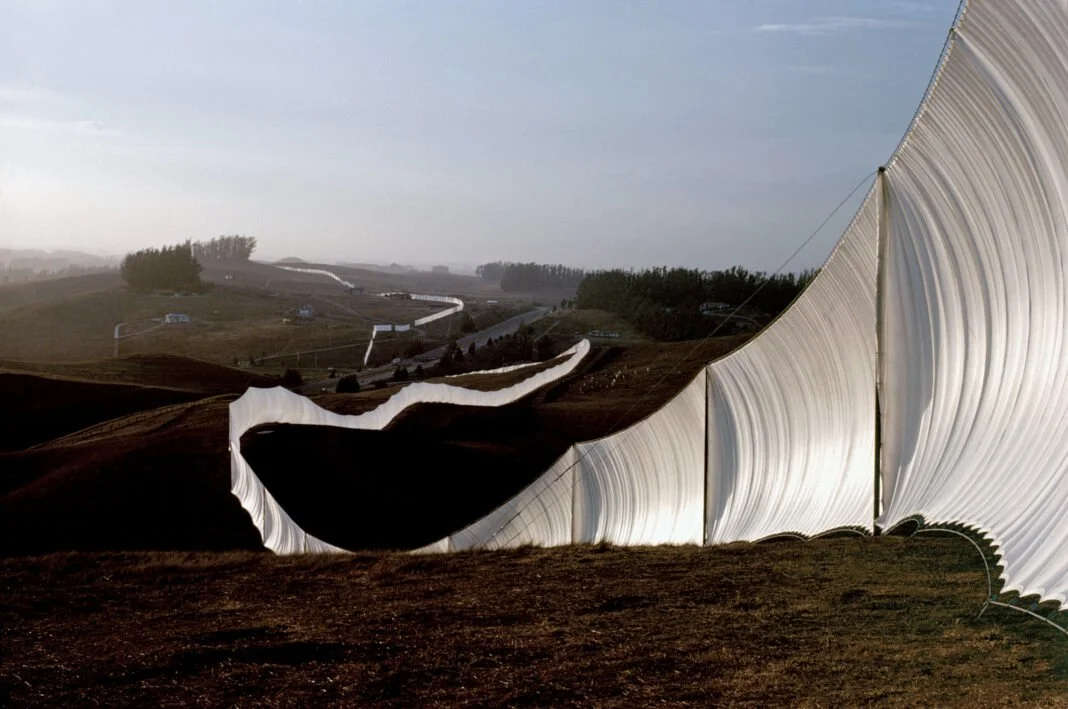
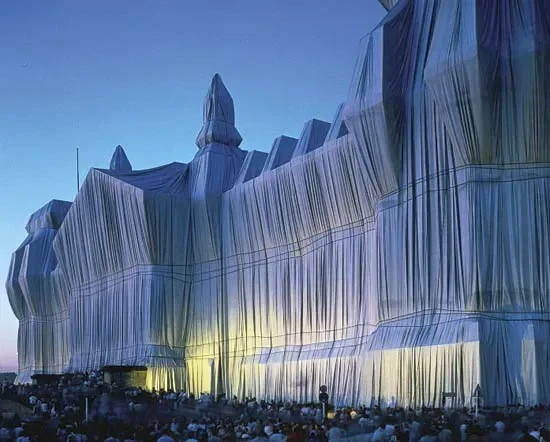
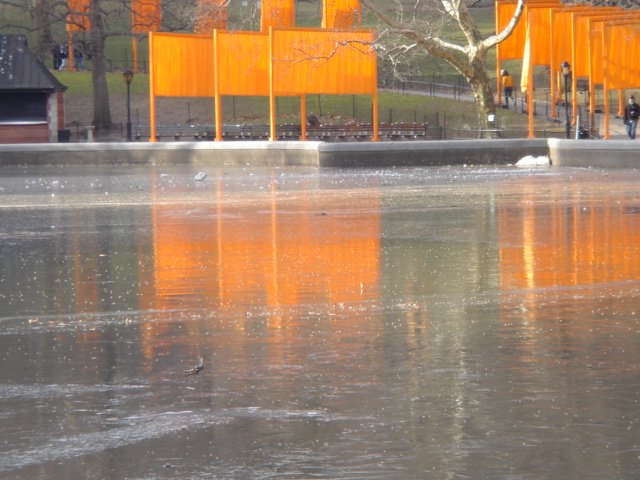
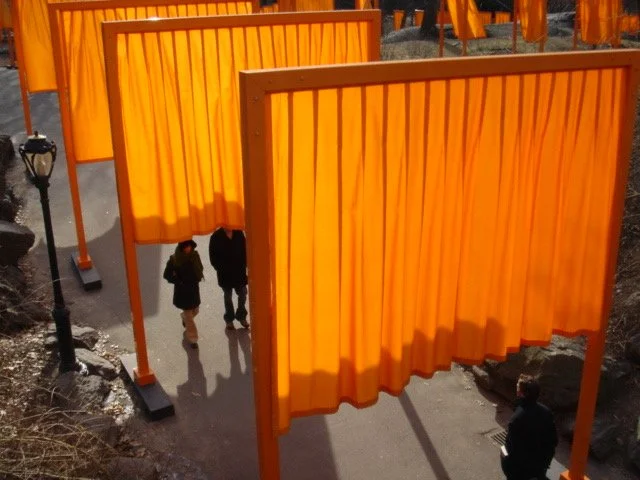
Once the partnership was acknowledged, it became impossible to see the work any other way. The projects—Surrounded Islands, Running Fence, Wrapped Reichstag—read not as gestures of ego but as feats of coordination. Vision tethered to execution. Imagination disciplined by reality.
There is something bracing in how unromantic this collaboration is. No merging of sensibilities into a blur. No softening of authorship. Just a clear-eyed recognition that certain kinds of work require more than one center of gravity—and that pretending otherwise distorts the truth of how art is made.
The late acknowledgment did not diminish Christo’s work. It clarified it. It widened the frame rather than narrowing it. In that sense, the announcement was less about credit than about accuracy.
Collaboration does not begin when it is declared. It begins when decisions are no longer solitary, when risk is shared, when the work cannot proceed without more than one mind fully inside it. Christo and Jeanne-Claude understood this early. It simply took the rest of us longer to catch up.
For other posts on artistic collaborators, check out:
Sonia Delaunay and Robert Delaunay