
HENRY DARGER: EVIDENCE OF A LIFE VIOLATED
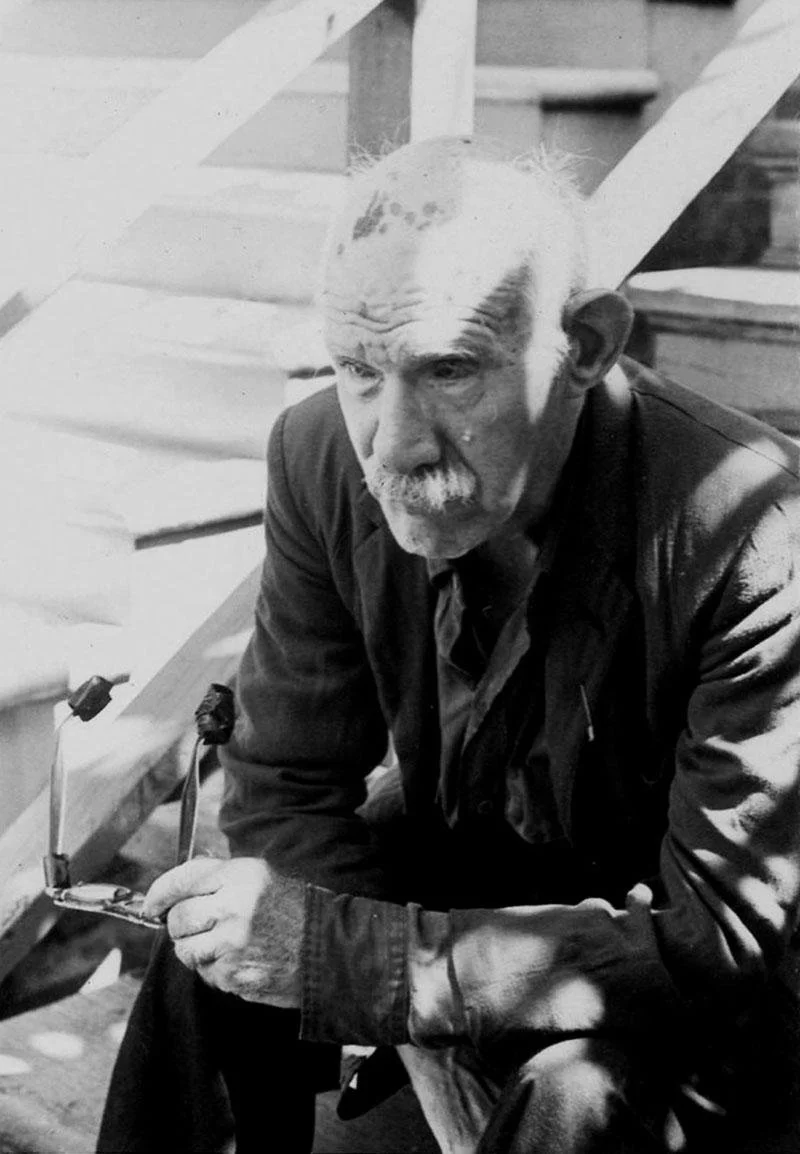
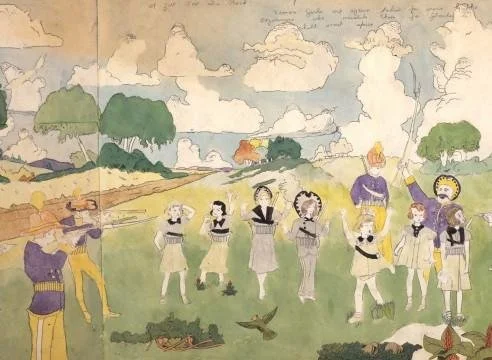
Most people have heard of Henry Darger’s work without knowing what it is or what it records. When his manuscripts and drawings were discovered after his death, they revealed more than 300 large-scale watercolors and a multi-volume epic novel titled The Story of the Vivian Girls, in What Is Known as the Realms of the Unreal, of the Glandeco-Angelinian War Storm, Caused by the Child Slave Rebellion. The imagery is overwhelming: children in battle, children pursued and captured, children shown in pain or peril at the hands of adults. Critics have sometimes treated these images as evidence of a disturbed imagination or as prurient fantasy. These interpretations miss the point. Darger was not fantasizing about harm. He was showing harm in the only language and visual forms available to him.
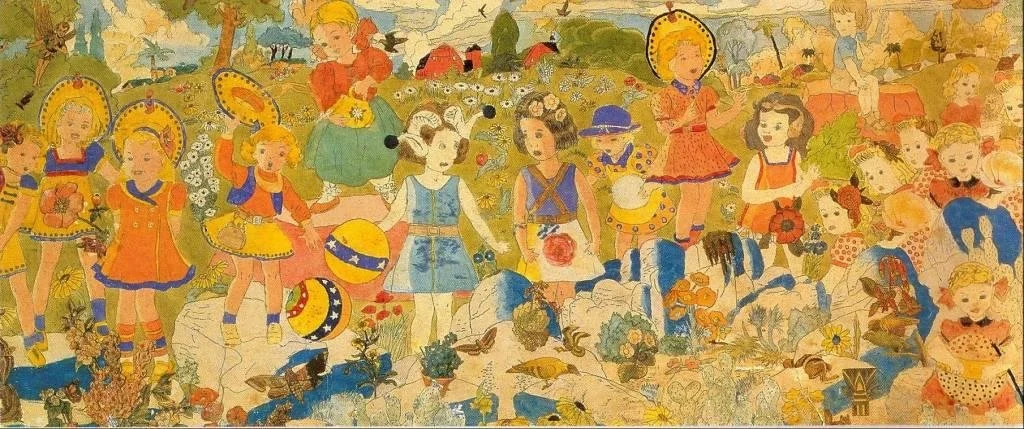
Henry Darger, In the Realms of the Unreal
The scenes that populate his drawings are not invented abstractions. They are visual structures built from trauma. Among the earliest documented influences on his work was the story of Elsie Paroubek, a four-year-old Chicago girl whose kidnapping and death in 1911 were publicized in the Chicago Daily News. Darger clipped her photograph and carried it with intensity. When the clipping was lost, he was distraught. The child’s image and the sense of her violent absence were woven into his own narrative of abducted girls and adult brutality.
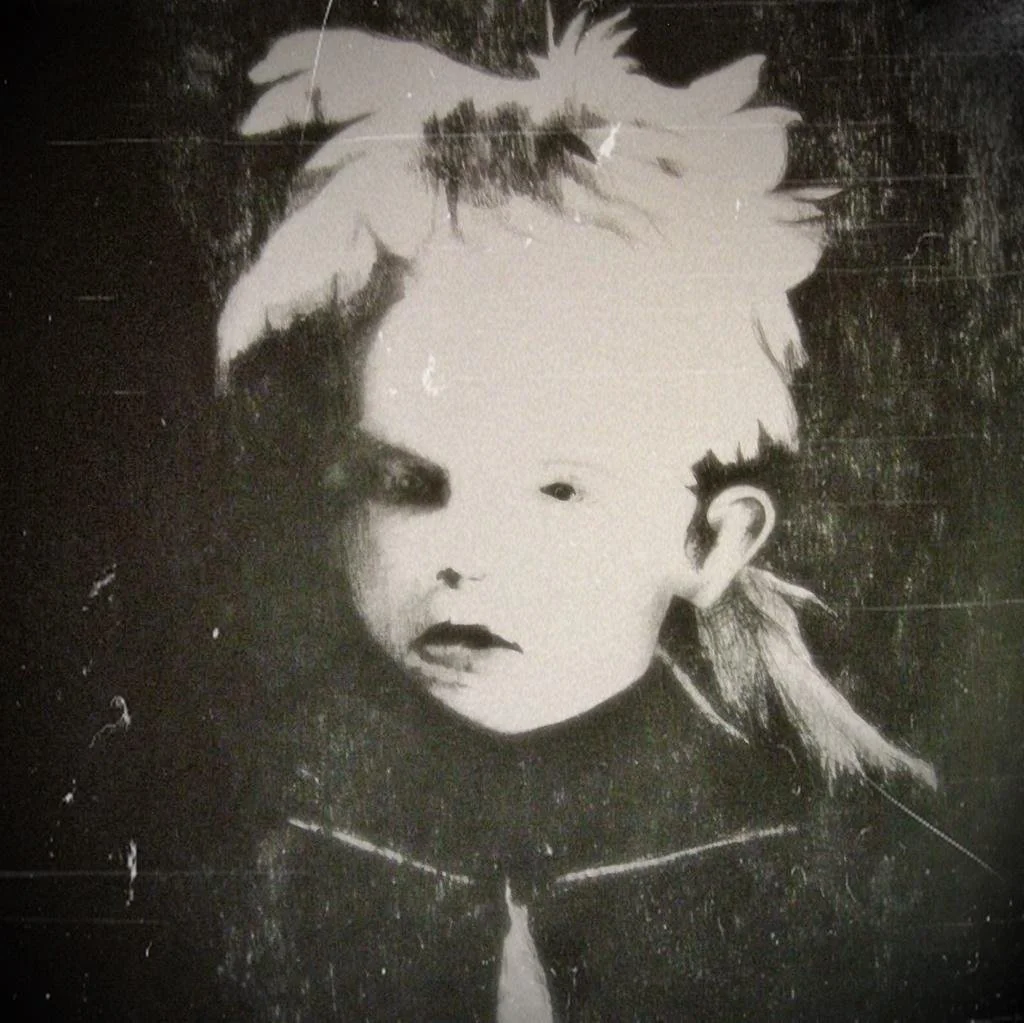
Elsie Paroubek, a four-year-old Chicago girl whose kidnapping and death in 1911 were publicized in the Chicago Daily News
Yet many commentators have preferred to label Darger’s monsters as “fantasy” or to distance the images from real pain. The art world has celebrated his inventiveness while glossing over the evidence that what he was recording was not abstraction but elaboration on real harm.
Jim Elledge’s biography Henry Darger, Throwaway Boy places Darger in the realities of his time and place. Darger was born in Chicago in 1892. His mother died when he was very young and his sister was put up for adoption. Darger was placed in Catholic schools and later in institutions for boys labeled “feeble-minded.” Conditions in those institutions could be harsh, routine, and authoritarian. There was little accountability and almost no space for a child to name his own experience, or to be believed when he did.
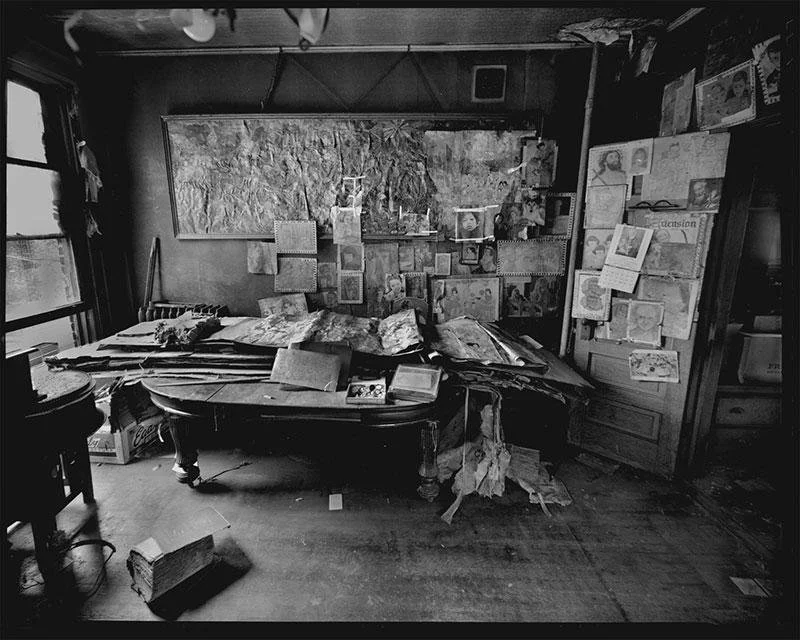
Darger’s studio and home
After escaping institutional life as a teenager, Darger lived most of his adult life in Chicago, working as a hospital janitor and dishwasher, unnoticed by the world. Nobody knew that in his rented room he was creating a body of work of staggering scale and directness. He did not show the work to anyone. Only after his death did it come to light.
Viewed this way, Darger’s art is not a departure from life but its testimony. He did not tell us what happened. He showed it, in persistent scenes of children in extremis.
Darger
We live now in a moment when child abuse and abuse of power over children are not hidden stories. Survivors come forward. Evidence is collected. Public institutions still struggle to respond appropriately. If adults want to understand the violence done to children, Darger’s work offers one of the starkest visual records of what it meant to be a child without an audience, without intervention, without belief.
Please see this linked page for reporting avenues and ways you can help protect children today.