
blog
ALL | ABOUT MY WORK | EVERYTHING ELSE
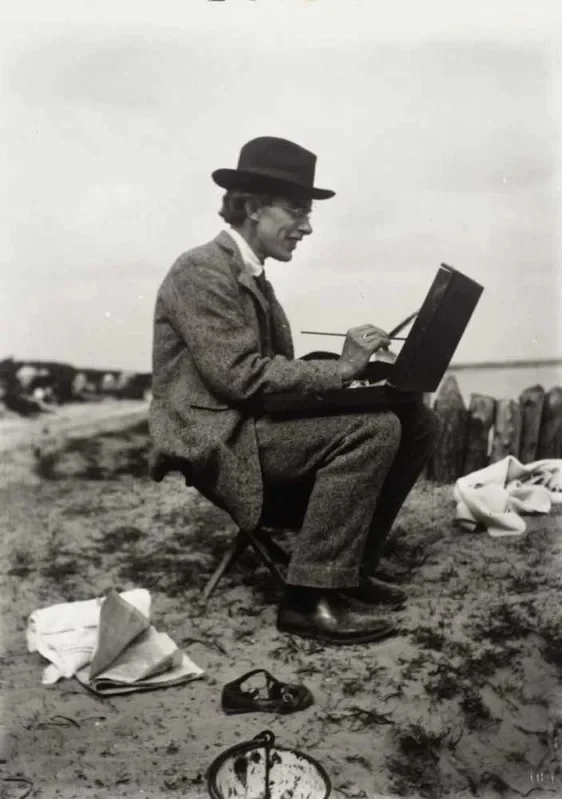
LOOKING WITH ROGER FRY
The first time I read Roger Fry, my immediate thought was: finally, someone who looks at a painting the way I do. Not emotionally first, not narratively, not in search of reassurance or uplift, but through a disciplined form of attention. What we now call formalism felt, in his writing, less like a theory than a discipline—a way of agreeing to stay with what is actually there. Fry’s focus on line, color, rhythm, and spatial structure was not a narrowing of meaning but a refusal to dilute it.
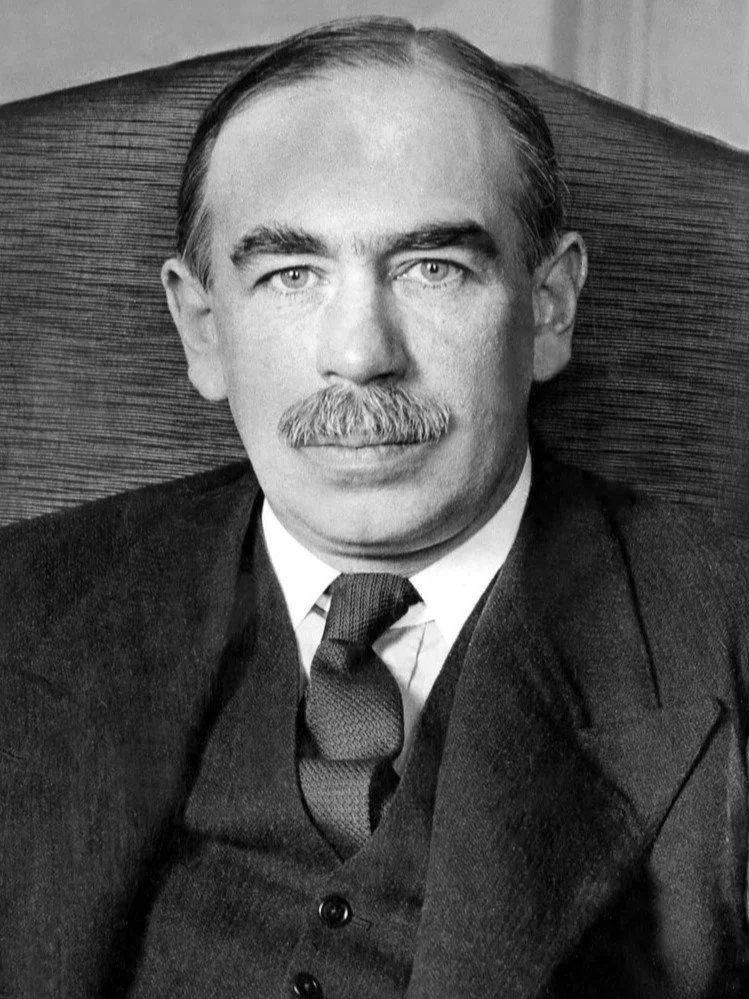
JOHN MAYNARD KEYNES: Economics with a Nervous System
John Maynard Keynes is usually introduced as the economist who saved capitalism from itself. That is true, as far as it goes. But it is not how he thought of himself, and it is not how he lived.
Keynes moved through the world less like a technocrat than like a man attentive to atmospheres—rooms, moods, confidences, collapses. His economics emerged not from abstraction, but from observation: how people actually behave when frightened, hopeful, reckless, bored. He did not believe that markets were rational systems tending naturally toward equilibrium. He believed they were made of people, and that people were volatile, suggestible, contradictory, and emotional.
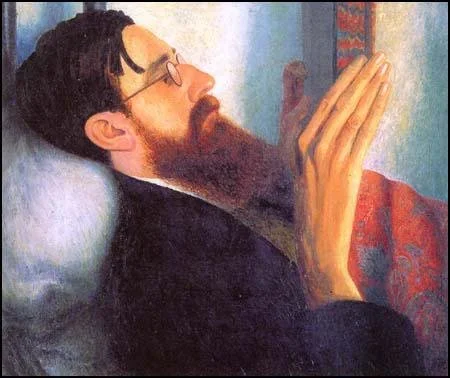
DORA CARRINGTON & LYTTON STRACHEY: Love Without a Center
If Vanessa Bell built a life around coherence, Dora Carrington and Lytton Strachey lived inside a more unstable geometry. Their relationships were not anchored by truth-telling in the Bell sense, nor by the steady negotiation that held Charleston together. What animated Carrington and Strachey was something else entirely: intensity without reciprocity, devotion without symmetry, love without a shared object.