
blog
ALL | ABOUT MY WORK | EVERYTHING ELSE
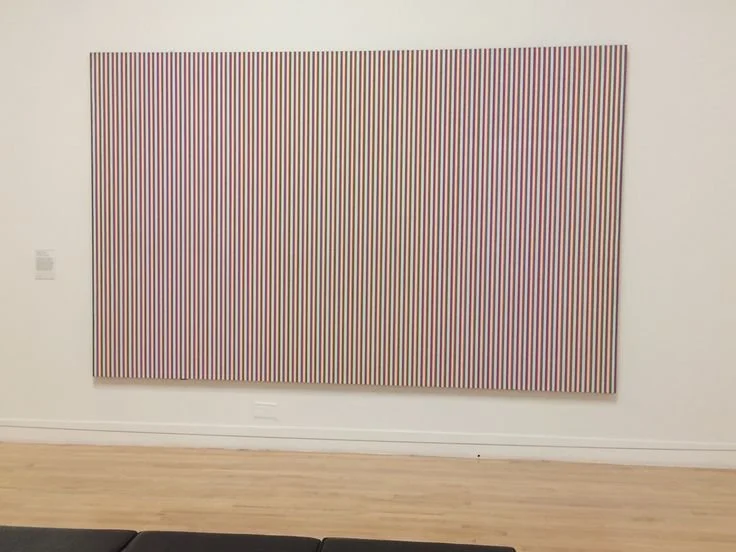
BRIDGET RILEY: WHY THE STRIPES?
When people first encounter Bridget Riley's stripe paintings, they often assume the work is highly calculated. The stripes appear so precise, so controlled, that it is easy to imagine a system determining the outcome.
The reality is more interesting.
Riley was not trying to make a system. She was trying to understand color.
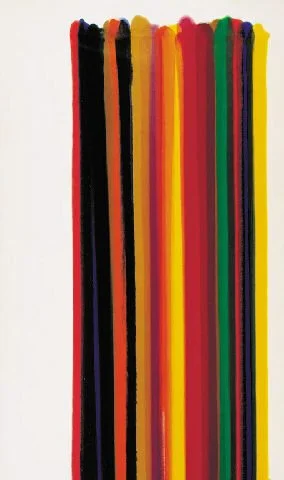
MORRIS LOUIS: COLOR, GRAVITY, AND THE RADICAL STRIPE PAINTING
Some artists use stripes as a way to measure space. Some use them as rhythm, structure, pattern, discipline, refusal, or optical vibration. With Morris Louis, the stripe begins somewhere else. It begins with liquid paint, raw canvas, gravity, and a room too small for the scale of what he wanted to make.
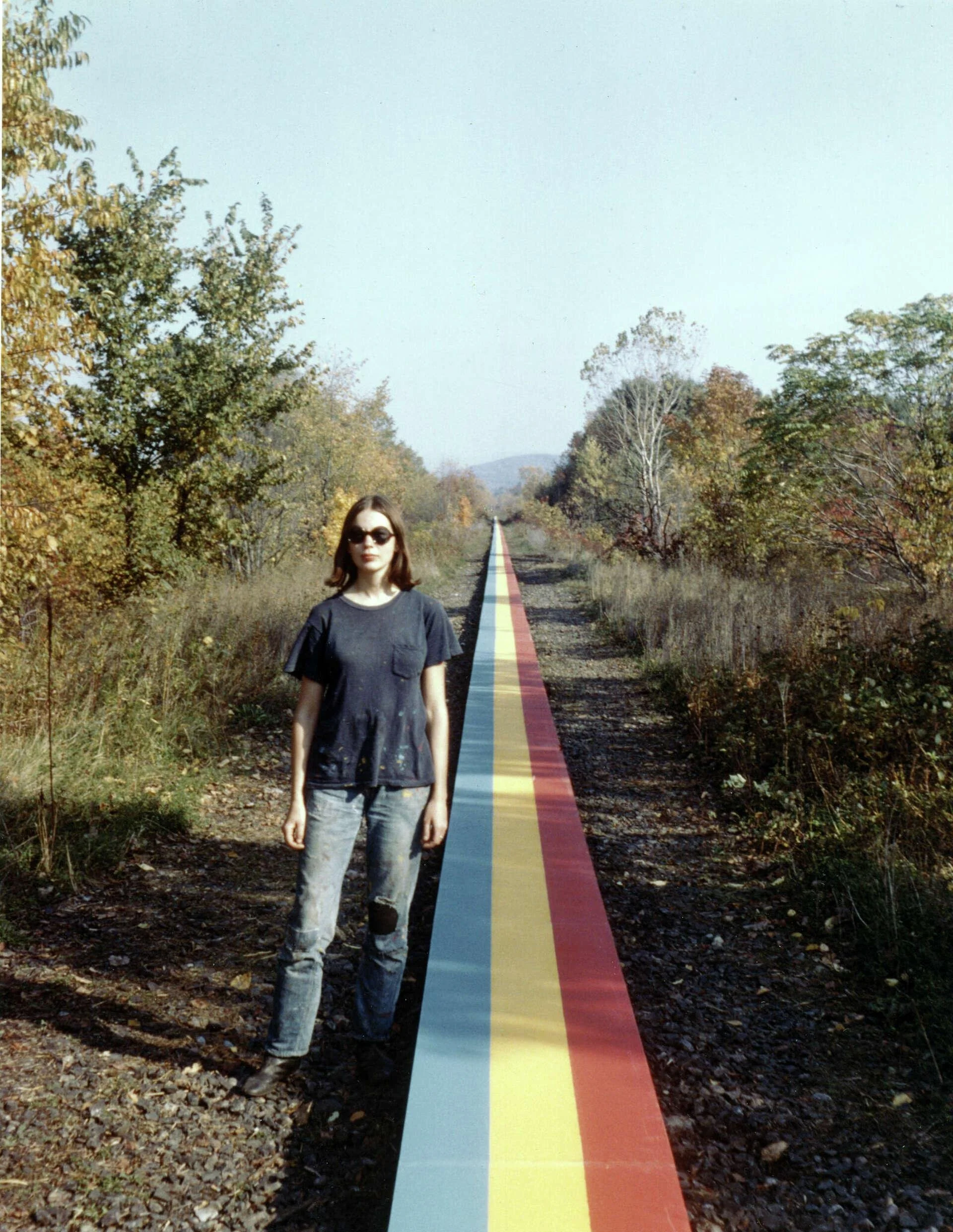
PAT JOHANSON: THE STRIPE LEAVES THE FIELD OF VISION
After Pat Johanson gave her talk at the Curiosity Forum, I walked her to her car.
She had come with almost nothing. A computer bag, a fanny pack, and the clothes she was wearing. She told me this was how she traveled, whether she was going to a dinner or to a site where she might have to walk through mud, look at drainage, think about water flow, plants, animals, erosion, construction, access, use. The same clothes. The same body. The same attention.
That is what stayed with me. Not just the work, though the work is remarkable, but the way she carried herself in relation to it. She did not seem to arrive anywhere with an idea to impose. She came prepared to look.