
February Notes - 2026
LOVE: IT’S COMPLICATED

Dora Carrington, Ralph Partridge, and Lytton Strachey
Love, in the Bloomsbury world, was never a single story with a moral at the end. It was provisional, negotiated, revised in public and in private, sometimes generous, sometimes cruel, often simultaneous. They loved in overlapping geometries: husbands and wives, lovers and ex-lovers, friends who slept together, friends who did not, men who loved men and women who married them anyway. What holds these lives together is not scandal or liberation, but attention—how seriously they took one another, how rigorously they tried to live without false arrangements. This month’s Studio Notes looks at those entanglements through Vanessa Bell, Dora Carrington, and Maynard Keynes, not to sort them out, but to stay with their complexity: love as a lived structure, unstable, unfinished, and stubbornly human.
VANESSA BELL: LIVING THE TRUTH
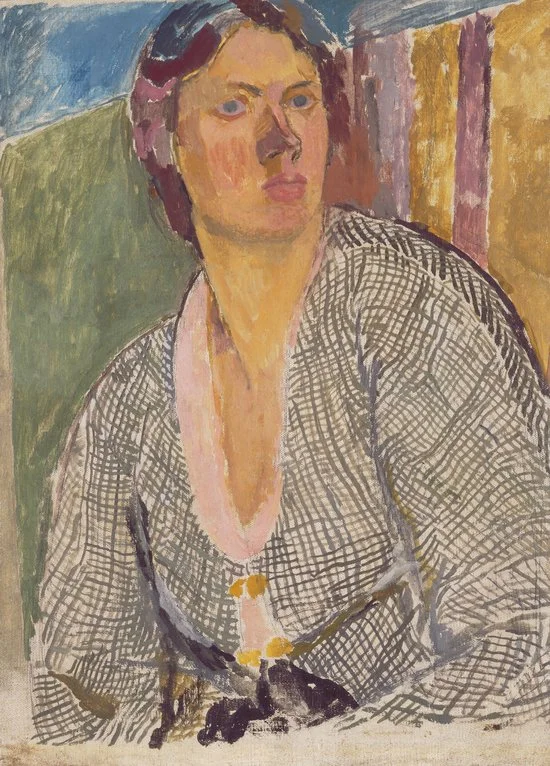
Vanessa Bell did not set out to be radical. She set out to live honestly. The radicalism followed.
She believed that the way one lived mattered as much as the work one made, and that conventions—marriage, propriety, feminine self-effacement—were only useful if they did not interfere with the truth of daily life. When they did, she quietly stepped around them.
This was not a theory. It was practice.
READ MORE . . .
ALSO NEW THIS MONTH :
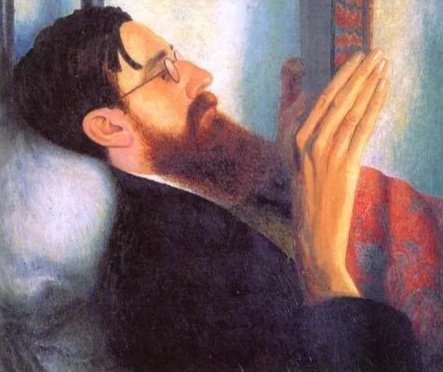
DORA CARRINGTON AND LYTTON STRACHEY: Love Without a Center
If Vanessa Bell built a life around coherence, Dora Carrington and Lytton Strachey lived inside a more unstable geometry. Their relationships were not anchored by truth-telling in the Bell sense, nor by the steady negotiation that held Charleston together. What animated Carrington and Strachey was something else entirely: intensity without reciprocity, devotion without symmetry, love without a shared object.
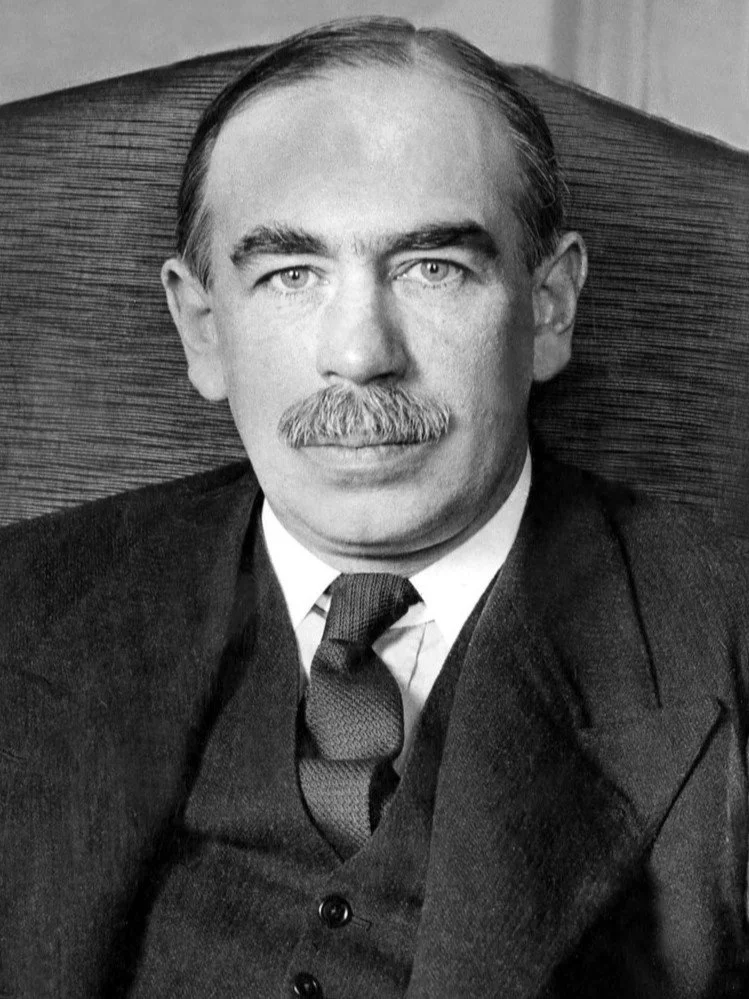
JOHN MAYNARD KEYNES; Economics with a Nervous System
John Maynard Keynes is usually introduced as the economist who saved capitalism from itself. That is true, as far as it goes. But it is not how he thought of himself, and it is not how he lived.
Keynes moved through the world less like a technocrat than like a man attentive to atmospheres—rooms, moods, confidences, collapses. His economics emerged not from abstraction, but from observation: how people actually behave when frightened, hopeful, reckless, bored.
READ MORE . . .
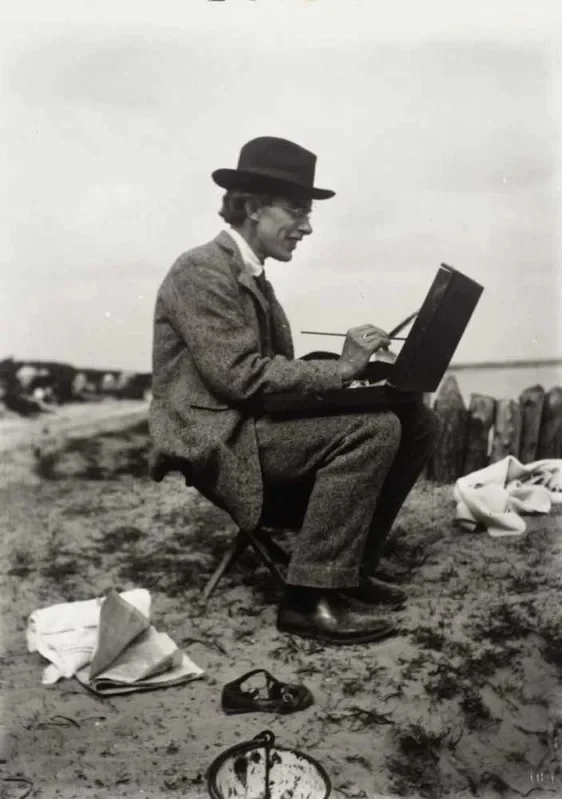
The first time I read Roger Fry, my immediate thought was: finally, someone who looks at a painting the way I do. Not emotionally first, not narratively, not in search of reassurance or uplift, but through a disciplined form of attention. What we now call formalism felt, in his writing, less like a theory than a discipline—a way of agreeing to stay with what is actually there. Fry’s focus on line, color, rhythm, and spatial structure was not a narrowing of meaning but a refusal to dilute it.
READ MORE . . .
FROM THE LIBRARY: Vanessa Bell, Portrait of a Bloomsbury Artist by Frances Spalding
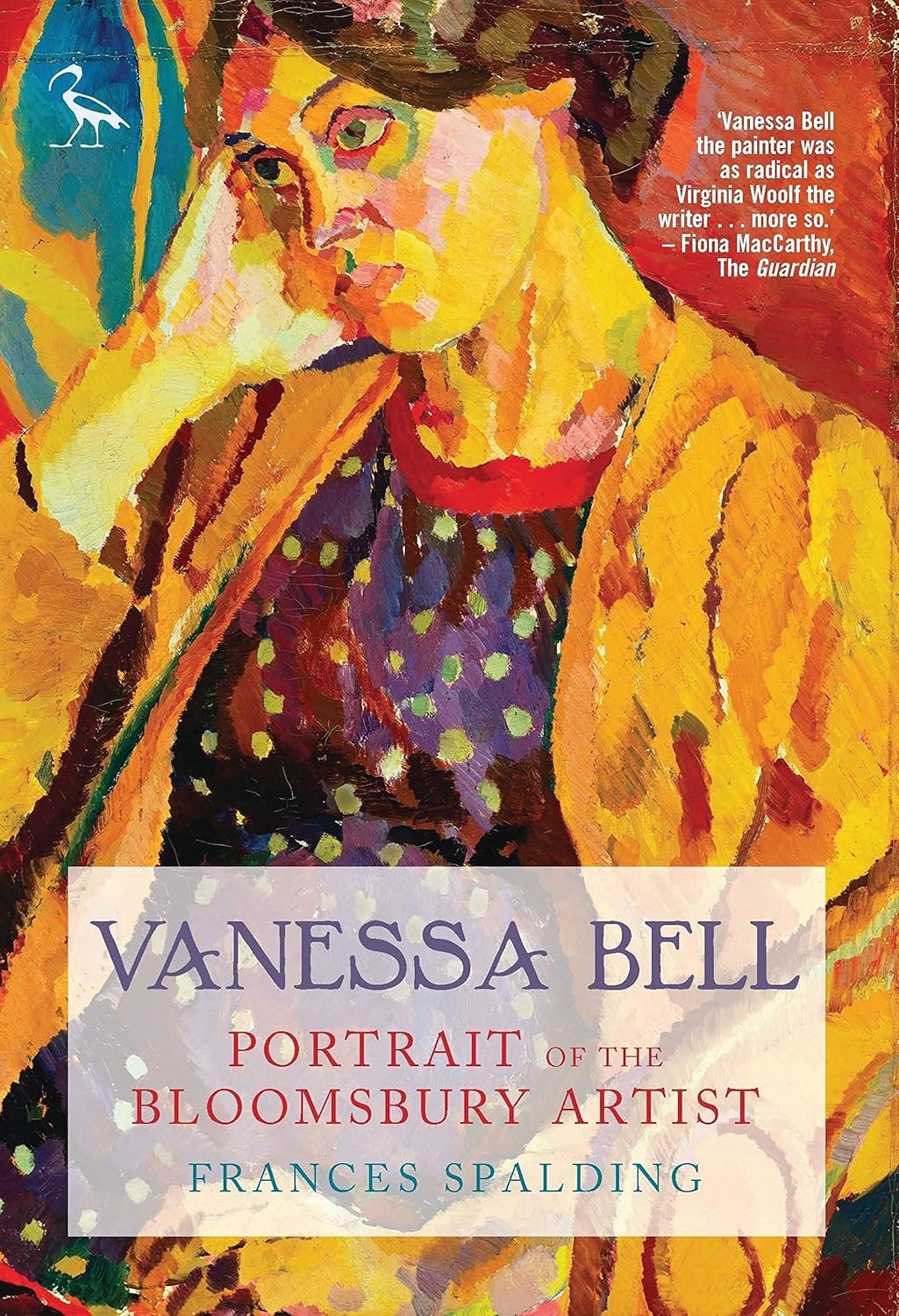
Vanessa Bell is central to the history of the Bloomsbury Group, yet until this authorized biography was written, she largely remained a silent and inscrutable figure. Glimpses of her life appeared mainly through her famous sister, Virginia Woolf, whose letters and diaries frequently mentioned her. In this quality reissue of the definitive biography on the artist, Frances Spalding draws upon a mass of previously unpublished documents to reveal Bell's extraordinary achievements in both her art and her life. She recounts in vivid detail how Bell's joining the Bloomsbury Group - and her exposure to Paris and the radical art of the Post-Impressionists - ran parallel with her increasingly unorthodox personal life between her marriage to Clive Bell, her affair with Roger Fry, her friendship with Duncan Grant, and her relationship with her sister.
With an inset galley of photographs and pictures of her art, extensive notes, and a select bibliography, this book is a thrilling look at Vanessa Bell’s life and art, and at the growth of the Bloomsbury Group, the gathering of artists and intellectuals who were friends long before they became the famed painters and writers loved by the world.
This edition includes a new preface by the author.
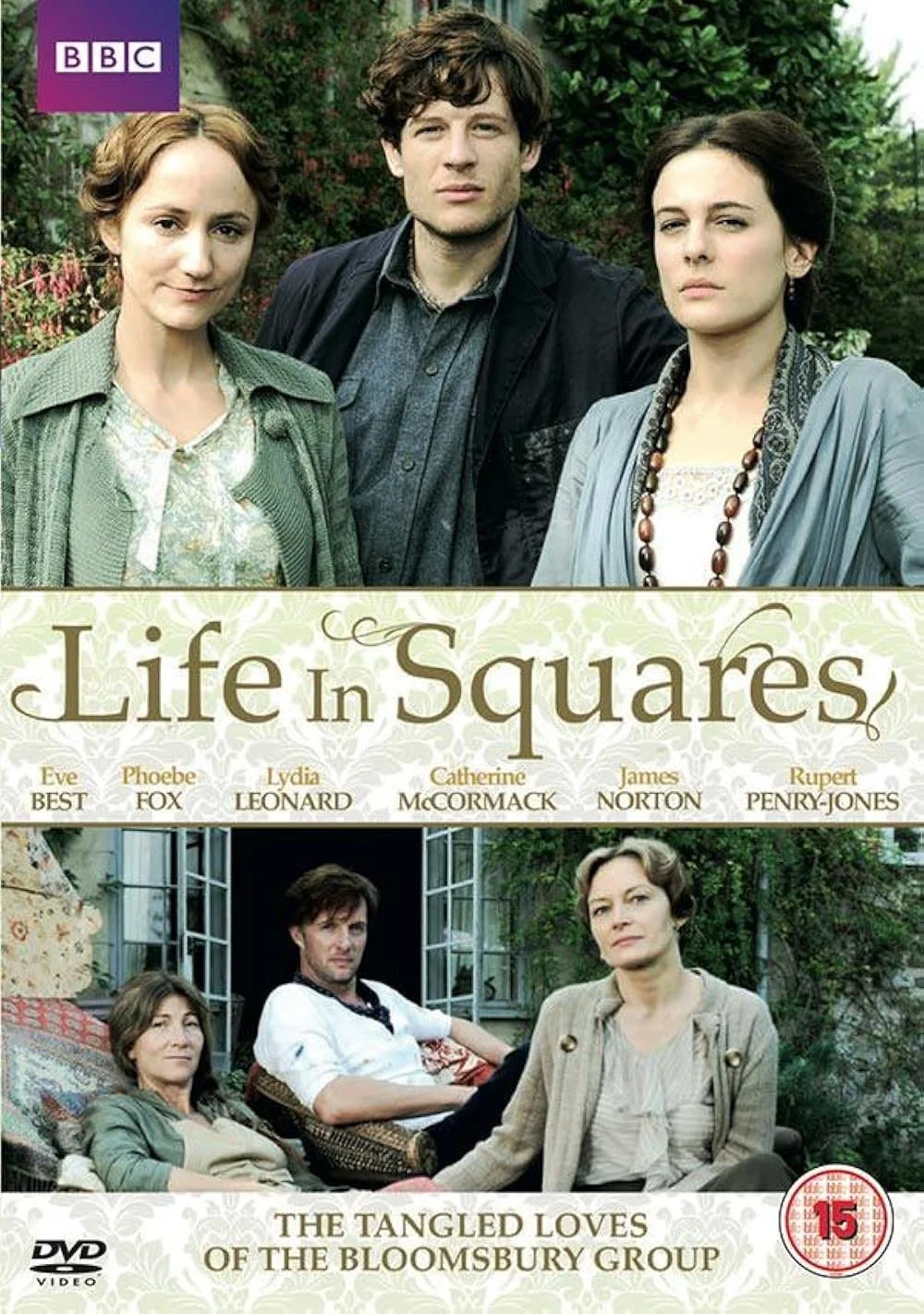
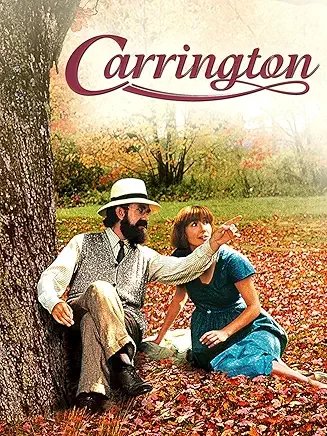
ON SCREEN: Life in Squares and Carrington
Carrington (1995), directed by Christopher Hampton, focuses on the lifelong, sexually unconsummated bond between painter Dora Carrington and writer Lytton Strachey. Rather than untangling the full web of Bloomsbury relationships, the film narrows in on emotional dependency, misalignment of desire, and the quiet costs of devotion. Carrington’s talent is acknowledged but ultimately secondary to her attachment to Strachey, a framing that has drawn criticism for reducing her artistic ambition to a footnote of love. The film is less a portrait of Bloomsbury freedom than a study in how asymmetrical love can become a life structure.
LIFE IN SQUARES (BBC, 1991)
Life in Squares is a three-part BBC drama that captures the Bloomsbury Group not as scandal or romance, but as a lived experiment in structure. Centered on Vanessa Bell (played by Vanessa Redgrave), the series focuses on rooms, routines, and negotiations—who lives where, who works, who stays, who leaves.
What makes the series quietly radical is its restraint. Desire circulates, but it does not dominate. Relationships are complex, sometimes painful, yet governed by an ethic of attention rather than possession. Charleston is shown less as a bohemian idyll than as a functioning system: domestic life redesigned to make space for art.
For anyone interested in love without conventional reciprocity—or in how lives can be restructured rather than dramatized—Living in Squares remains unusually clear-eyed.
FEATURED ART: WOVEN THRONE - Detail
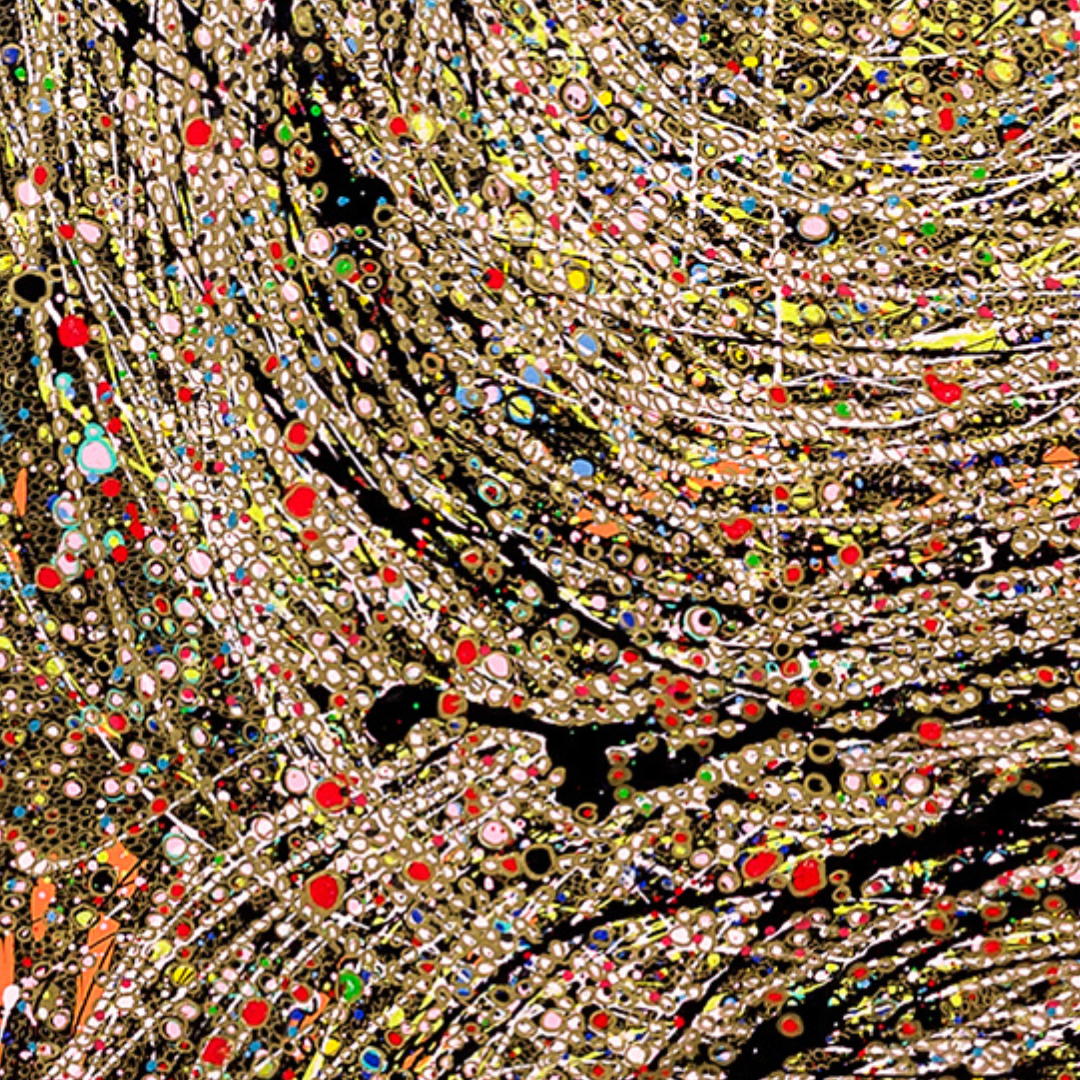
Woven Throne, 72 inches x 48 inches, oil paint and acrylic markers on canvas, ©2025 Leslie Parke