
blog
ALL | ABOUT MY WORK | EVERYTHING ELSE
GENTILE DA FABRIANO: THE ARTIST BEHIND THE BELLINI WORKSHOP
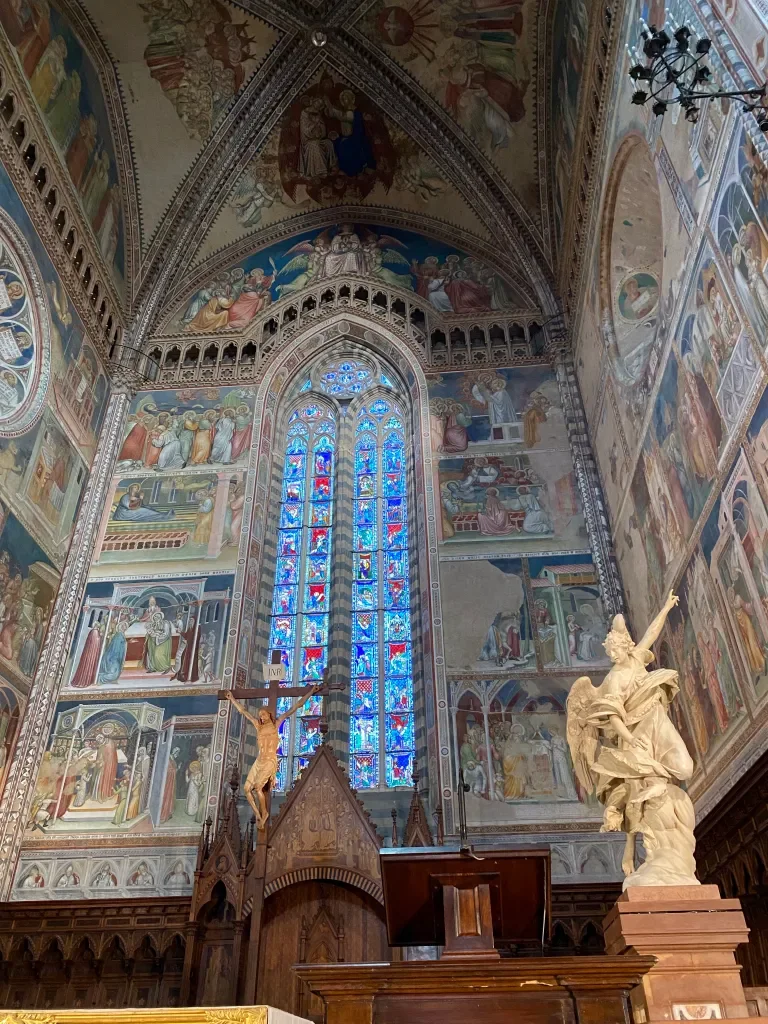
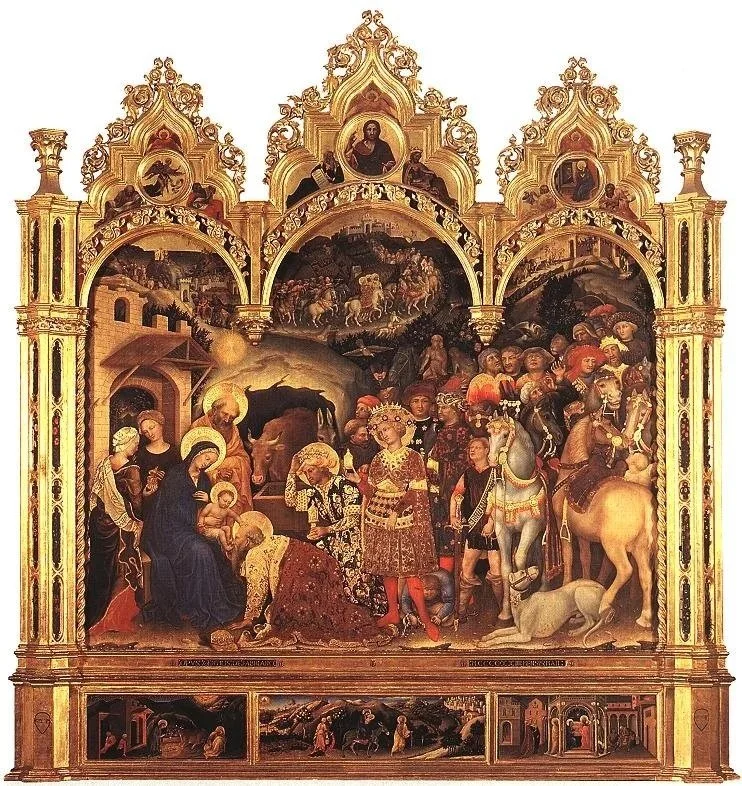
When Jacopo Bellini joined Gentile da Fabriano’s workshop, he wasn’t just learning to grind pigment and paint a hand. Gentile was one of the most successful artists in Italy, and for the next decade or more Jacopo followed him from city to city: Venice, Brescia, probably Fabriano, then Florence, and perhaps beyond. Gentile worked for Pandolfo Malatesta, lord of Brescia, for Palla Strozzi, one of the richest men in Florence, and in the end for the pope. Jacopo was learning to paint. He was also watching a man run an art business.
JACOPO BELLINI ARRIVES IN FLORENCE: THE FUTURE IS ALREADY THERE
Back in 1419, when Gentile da Fabriano left Brescia with his young Venetian assistant, Jacopo Bellini, in tow, he wasn’t really headed to Florence. He was headed to the pope. Martin V, newly elected and not yet able to return to Rome, was living at Santa Maria Novella, and Gentile had promised to join him once he finished the chapel he was painting for Pandolfo Malatesta in Brescia. He made his way south by way of Fabriano, and by 1420 he had rented a house and workshop in Florence near Santa Trinita. The pope soon moved on to Rome. Gentile stayed, because Palla Strozzi made him an offer.
JACOPO BELLINI: FIGHT OR FLIGHT? HOW ABOUT BOTH
In June 1423, Jacopo Bellini was living in Gentile da Fabriano’s house in Florence, working on the most important commission of his master’s career. Then he got into a fight.
Paintings from the workshop had been set out to dry in the courtyard, and a group of boys started throwing stones at them. Jacopo went out to stop them. He singled out one, Bernardo, who was big enough that Jacopo took him for nearly grown. Words passed, Bernardo taunted him, and they came to blows. Bernardo later told the court that Jacopo had hit him on the arm with a wooden bat. It may well have been a fistfight that acquired a weapon somewhere between the courtyard and the courtroom. The real problem was Bernardo’s father, Silvestro, a Florentine notary with friends in the city’s courts.
JACOPO COMES HOME: A DEAD FATHER, A BABY BROTHER AND A WIFE WITH 250 DUCATS
When Jacopo Bellini walked out of Le Stinche on Easter Sunday 1425, it wasn’t because someone had paid his fine. Florence let a few dozen prisoners go every Easter, and the city absorbed their debts and jail costs, but only the poorest and most wretched qualified. The provision that released Jacopo says it plainly: pauperrimus est. He is very poor. That was his ticket out.
THE ROCKY BEGINNINGS OF THE BELLINI WORKSHOP
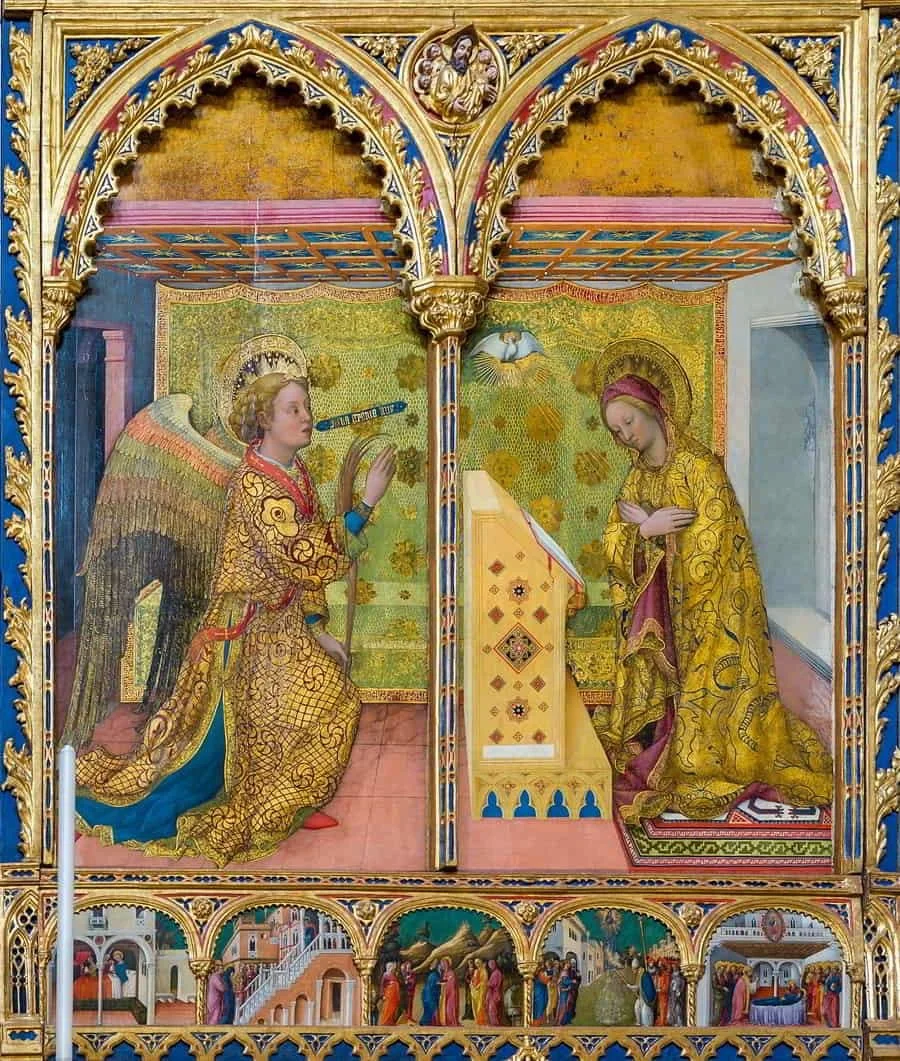
Jacopo Bellini came home to Venice with the best reference a painter could have: his apprenticeship with Gentile da Fabriano. There was just one problem. Venice was already full of Gentile. He had painted the walls of the Great Council Hall and run a workshop in town, and for twenty years Venetian painters had been helping themselves to his gold, his brocades and his sweet-faced Madonnas. The market was saturated with Gentile-like decoration. There was no room for another imitator, even a superior one.

SHELL GOLD: How Renaissance painters turned scraps of gold leaf into paint
Gold leaf is extravagant, but gilding produces scraps. The leaf is so thin that it tears, folds, and extends beyond the area being covered. When the excess was brushed away, a careful workshop did not necessarily discard it. The loose pieces and trimmings—what gilders call skewings—could be gathered and made into shell gold: real gold that could be applied with a brush. Historical recipes describe using either fresh gold leaf or the remnants left over from gilding.