
blog
ALL | ABOUT MY WORK | EVERYTHING ELSE
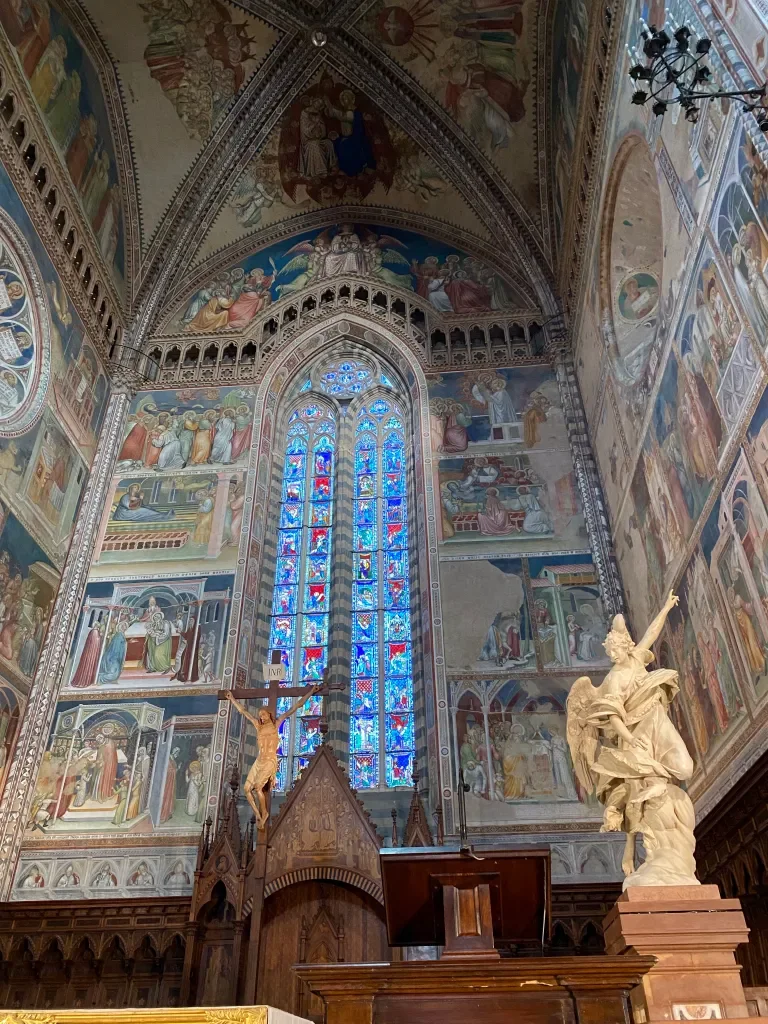
GENTILE DA FABRIANO: THE ARTIST BEHIND THE BELLINI WORKSHOP
When Jacopo Bellini joined Gentile da Fabriano’s workshop, he wasn’t just learning to grind pigment and paint a hand. Gentile was one of the most successful artists in Italy, and for the next decade or more Jacopo followed him from city to city: Venice, Brescia, probably Fabriano, then Florence, and perhaps beyond. Gentile worked for Pandolfo Malatesta, lord of Brescia, for Palla Strozzi, one of the richest men in Florence, and in the end for the pope. Jacopo was learning to paint. He was also watching a man run an art business.
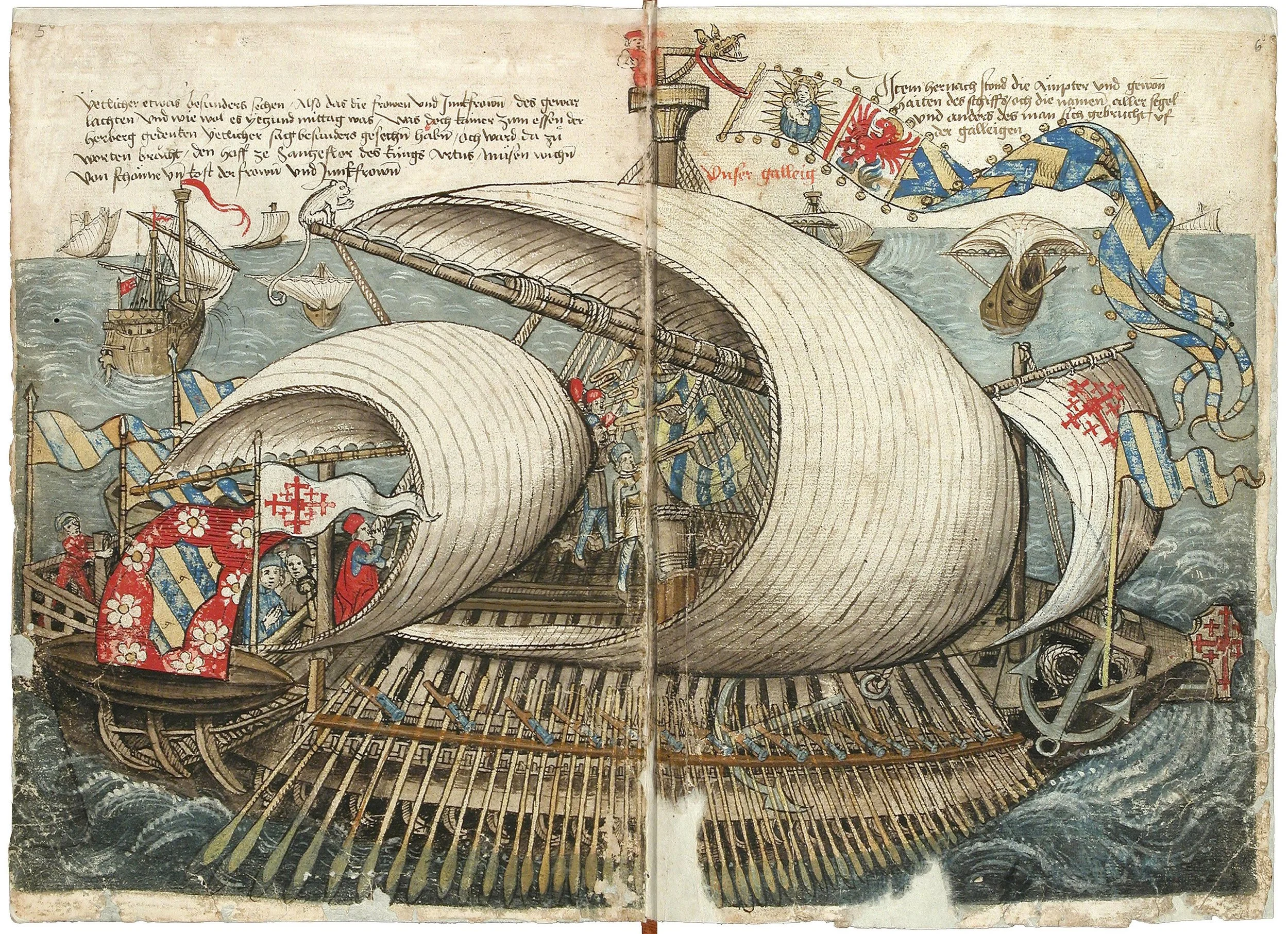
JACOPO BELLINI: FIGHT OR FLIGHT? HOW ABOUT BOTH
In June 1423, Jacopo Bellini was living in Gentile da Fabriano’s house in Florence, working on the most important commission of his master’s career. Then he got into a fight.
Paintings from the workshop had been set out to dry in the courtyard, and a group of boys started throwing stones at them. Jacopo went out to stop them. He singled out one, Bernardo, who was big enough that Jacopo took him for nearly grown. Words passed, Bernardo taunted him, and they came to blows. Bernardo later told the court that Jacopo had hit him on the arm with a wooden bat. It may well have been a fistfight that acquired a weapon somewhere between the courtyard and the courtroom. The real problem was Bernardo’s father, Silvestro, a Florentine notary with friends in the city’s courts.
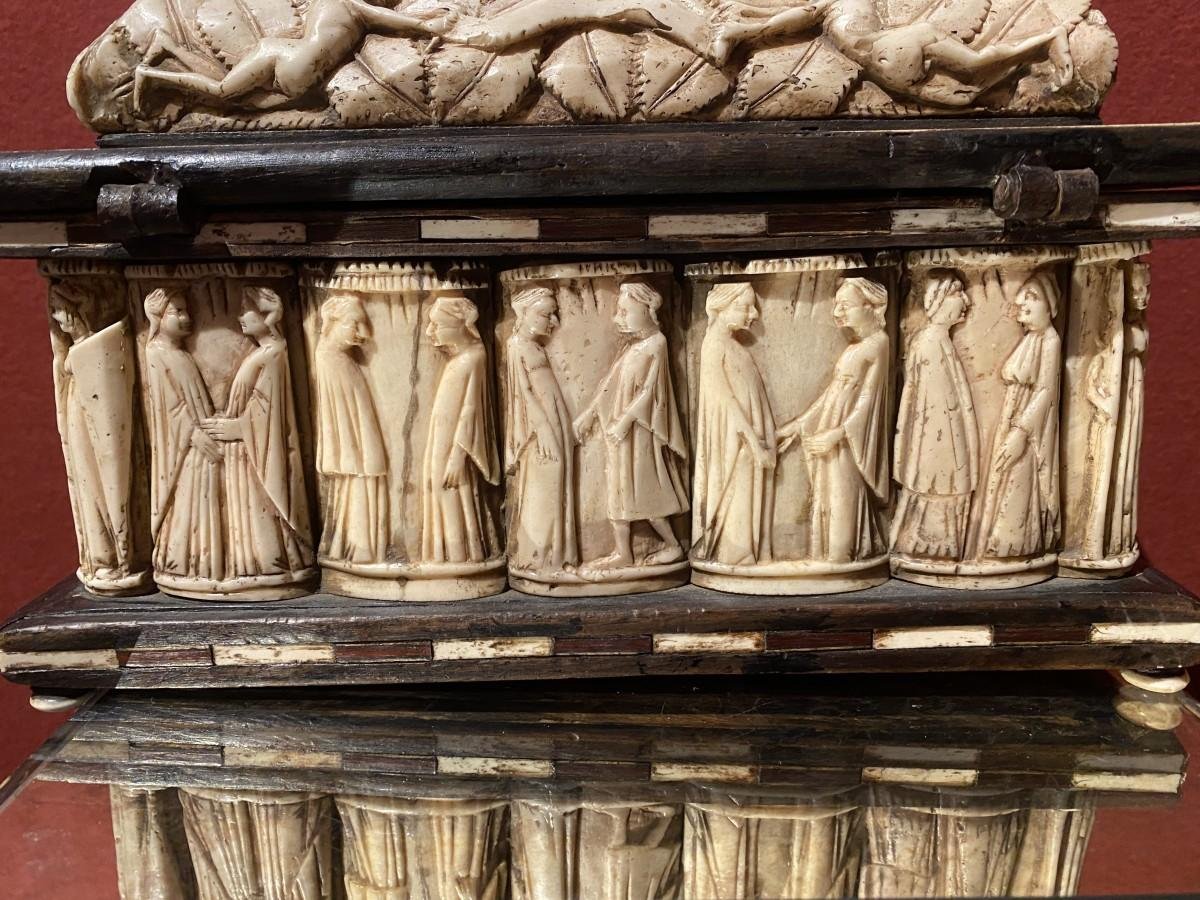
JACOPO COMES HOME: A DEAD FATHER, A BABY BROTHER AND A WIFE WITH 250 DUCATS
When Jacopo Bellini walked out of Le Stinche on Easter Sunday 1425, it wasn’t because someone had paid his fine. Florence let a few dozen prisoners go every Easter, and the city absorbed their debts and jail costs, but only the poorest and most wretched qualified. The provision that released Jacopo says it plainly: pauperrimus est. He is very poor. That was his ticket out.
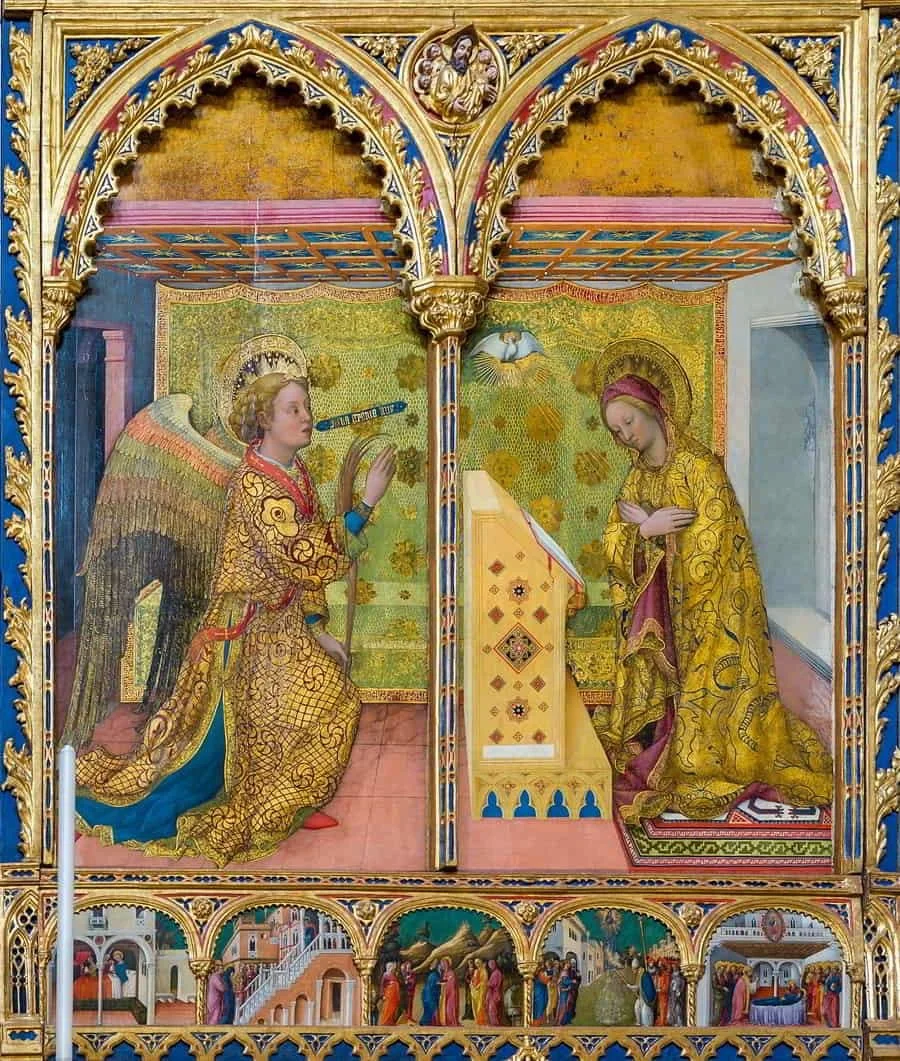
THE ROCKY BEGINNINGS OF THE BELLINI WORKSHOP
Jacopo Bellini came home to Venice with the best reference a painter could have: his apprenticeship with Gentile da Fabriano. There was just one problem. Venice was already full of Gentile. He had painted the walls of the Great Council Hall and run a workshop in town, and for twenty years Venetian painters had been helping themselves to his gold, his brocades and his sweet-faced Madonnas. The market was saturated with Gentile-like decoration. There was no room for another imitator, even a superior one.

WHO REALLY RAN VENICE?
There is something misleading about the word republic.
When we hear it, we tend to imagine citizens choosing their leaders. Venice certainly had citizens, and it was fiercely proud of not having a king. But during the years of Jacopo, Gentile and Giovanni Bellini, political power belonged to a relatively small group of hereditary patrician families. If you were born into one of those families, you had a place in the government. If you were not, wealth, talent and fame might bring you very close to power, but they would not give you a vote.

VENICE: AN IMPOSSIBLE CITY
At first glance, Venice is an absurd place to build a city. There is almost no firm ground. The islands are low, muddy, and divided by tidal channels. The water is salt. Stone, timber, grain, fuel, and drinking water all have to come from somewhere else. A sensible person might have moved a few miles inland.
The people who became Venetians did the opposite.
By the time of the Bellinis, this unlikely settlement had become one of Europe's wealthiest and most powerful cities. It had spread across scores of small islands and commanded an extensive maritime empire. Venice prospered not despite the lagoon, but because of it. The same water that made the city difficult to build also made it difficult to attack. It connected Venice to the Adriatic and the eastern Mediterranean while keeping it just beyond the easy reach of mainland rulers.