
blog
ALL | ABOUT MY WORK | EVERYTHING ELSE
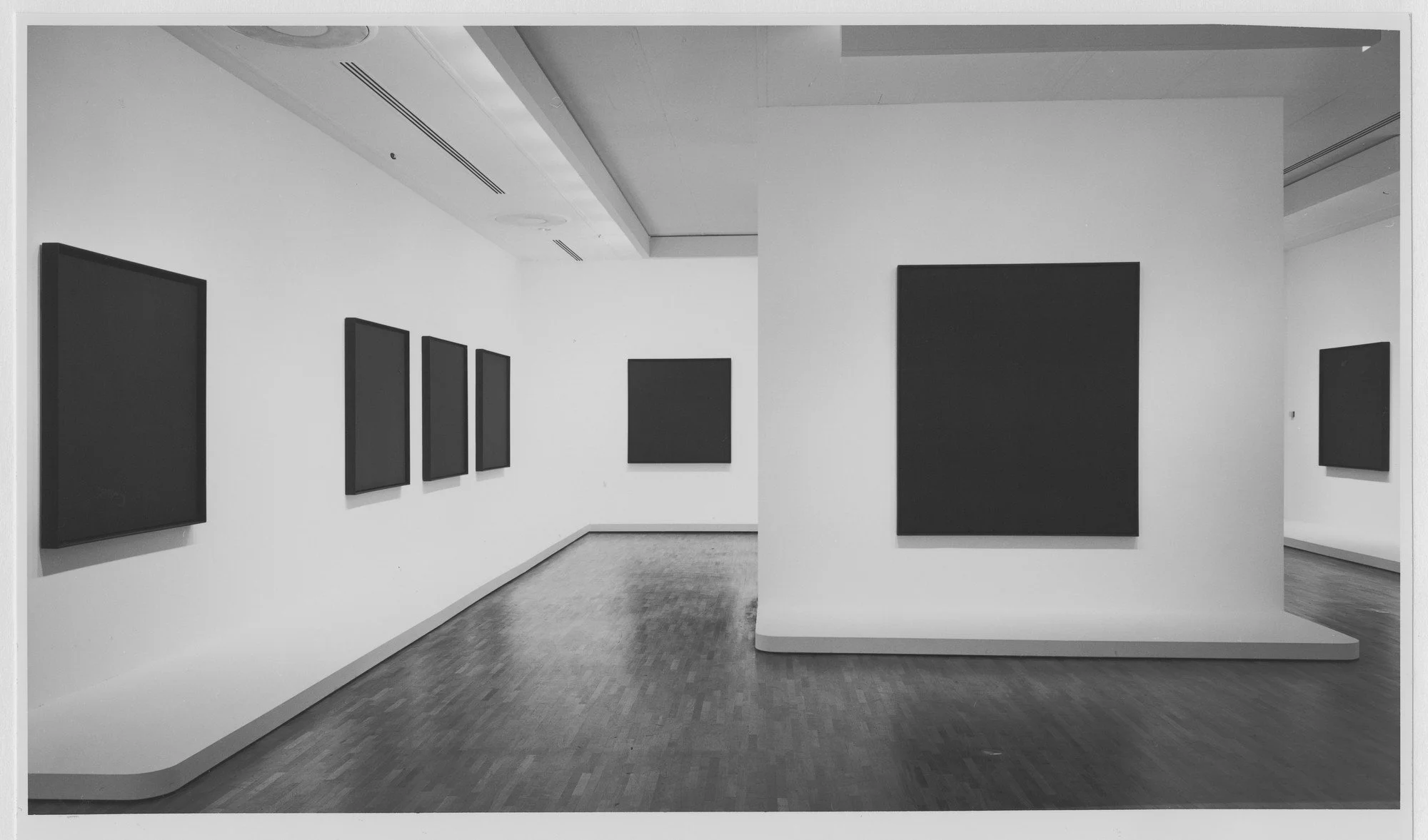
AD REINHARDT: HIDDEN IN PLAIN SIGHT
When I was a child, I took art lessons at the Museum of Modern Art. After class I would go through the collection. I did this every week, so certain paintings became almost like acquaintances.
I remember the first time I came across one of Ad Reinhardt’s black paintings. My first reaction was more or less: WTF.
I can’t remember now for sure, but there may have been a Larry Bell box nearby and possibly a white painting by Robert Ryman. I may be telescoping different visits. Bell’s glass box, which glistened like a gas leak, was a helpful comparison. It had already made me alert to the surface. Reinhardt’s painting seemed to be doing something entirely different.
So what was it?

BLACK IS BLACK—UNTIL IT’S NOT: Malevich’s “Black Square”
Years ago, I took my “steppish” daughter to the Guggenheim. I never married her father, hence the qualification, but she has been in my life since she was a child.
We wandered into a side gallery that held several paintings by Kazimir Malevich. I don’t think I had taken twenty steps before she began peppering me with questions. Did Malevich know Picasso’s work? What other artists did he know about? Had he seen Duchamp? Was this before or after the Russian Revolution?
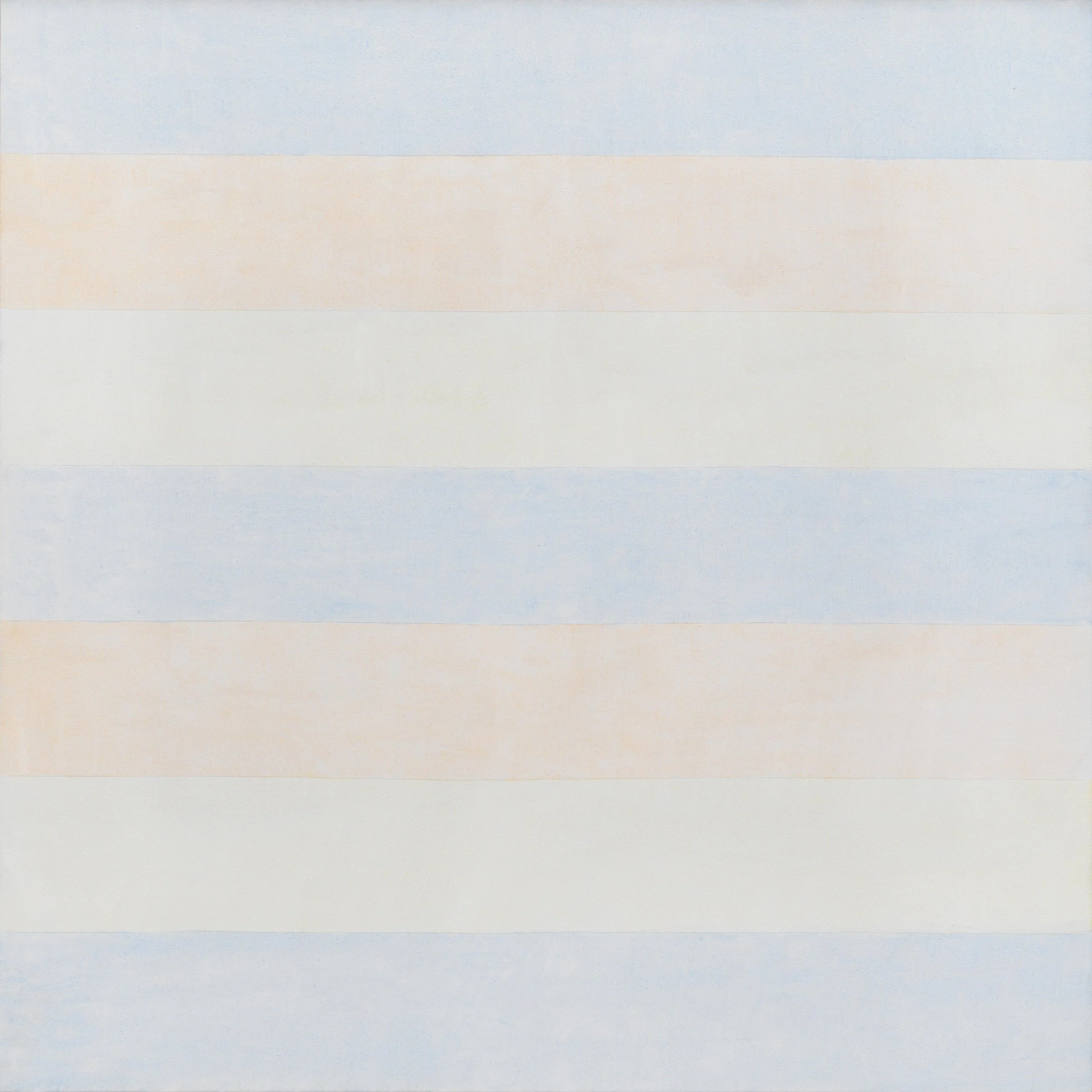
AGNES MARTIN: PAYING ATTENTION
A million years ago, when I was in the Whitney Museum Independent Study Program, the program left New York City for what I believe was the only time and spent the summer in New Mexico. David Diao, Ron Clark, and a few others visited Agnes Martin.
What they may have thought would be a studio visit became something else.
Instead of taking them into the studio and showing them paintings, Martin took them on a long hike on a very hot day to see a remote tree she insisted they had to see.
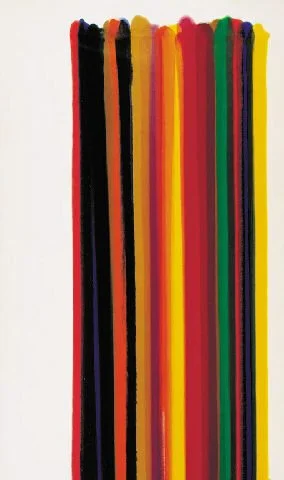
MORRIS LOUIS: COLOR, GRAVITY, AND THE RADICAL STRIPE PAINTING
Some artists use stripes as a way to measure space. Some use them as rhythm, structure, pattern, discipline, refusal, or optical vibration. With Morris Louis, the stripe begins somewhere else. It begins with liquid paint, raw canvas, gravity, and a room too small for the scale of what he wanted to make.
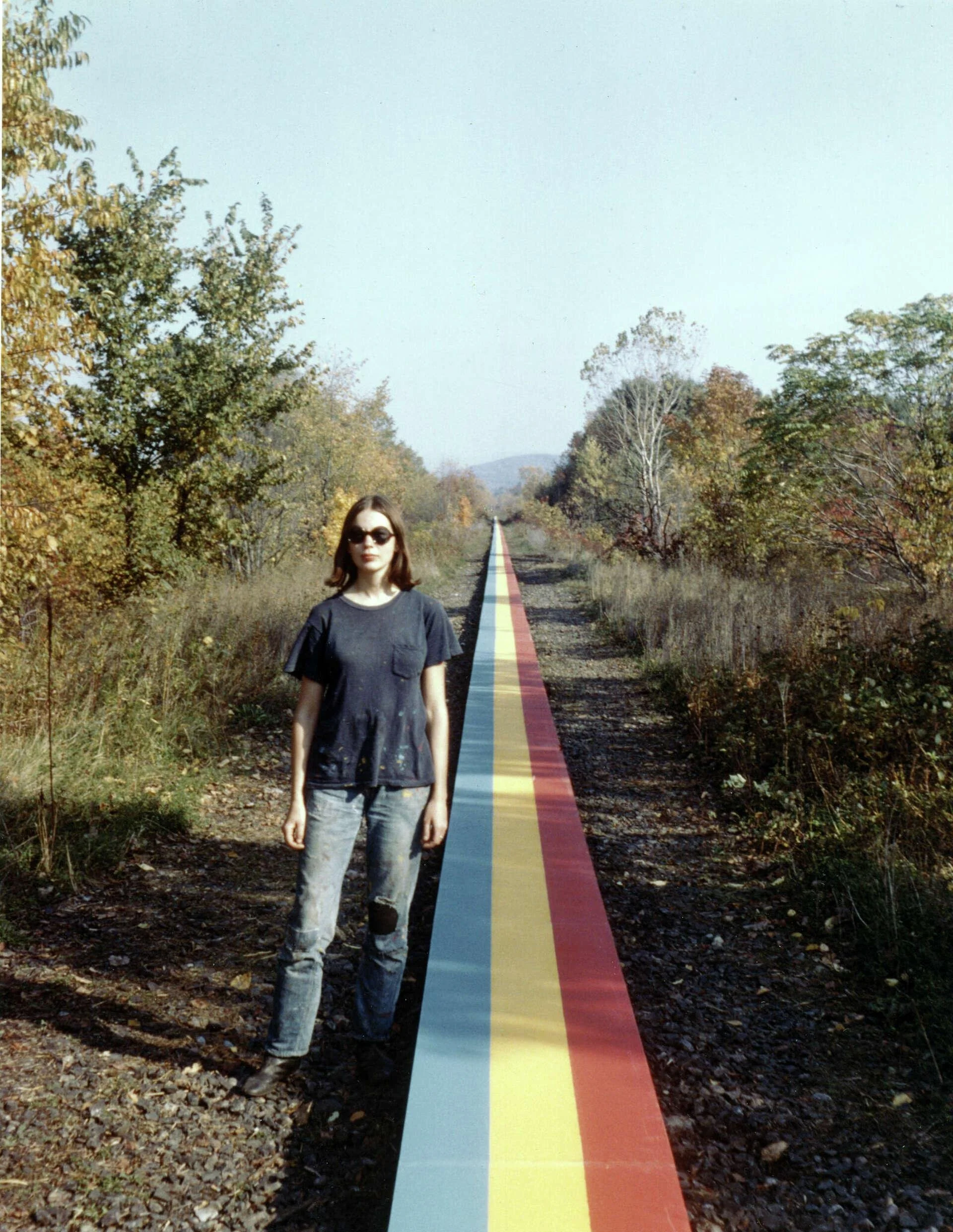
PAT JOHANSON: THE STRIPE LEAVES THE FIELD OF VISION
After Pat Johanson gave her talk at the Curiosity Forum, I walked her to her car.
She had come with almost nothing. A computer bag, a fanny pack, and the clothes she was wearing. She told me this was how she traveled, whether she was going to a dinner or to a site where she might have to walk through mud, look at drainage, think about water flow, plants, animals, erosion, construction, access, use. The same clothes. The same body. The same attention.
That is what stayed with me. Not just the work, though the work is remarkable, but the way she carried herself in relation to it. She did not seem to arrive anywhere with an idea to impose. She came prepared to look.