
May Notes - 2026
AN ONCOLOGIST AND AN ARTIST WALK INTO A BAR . . .
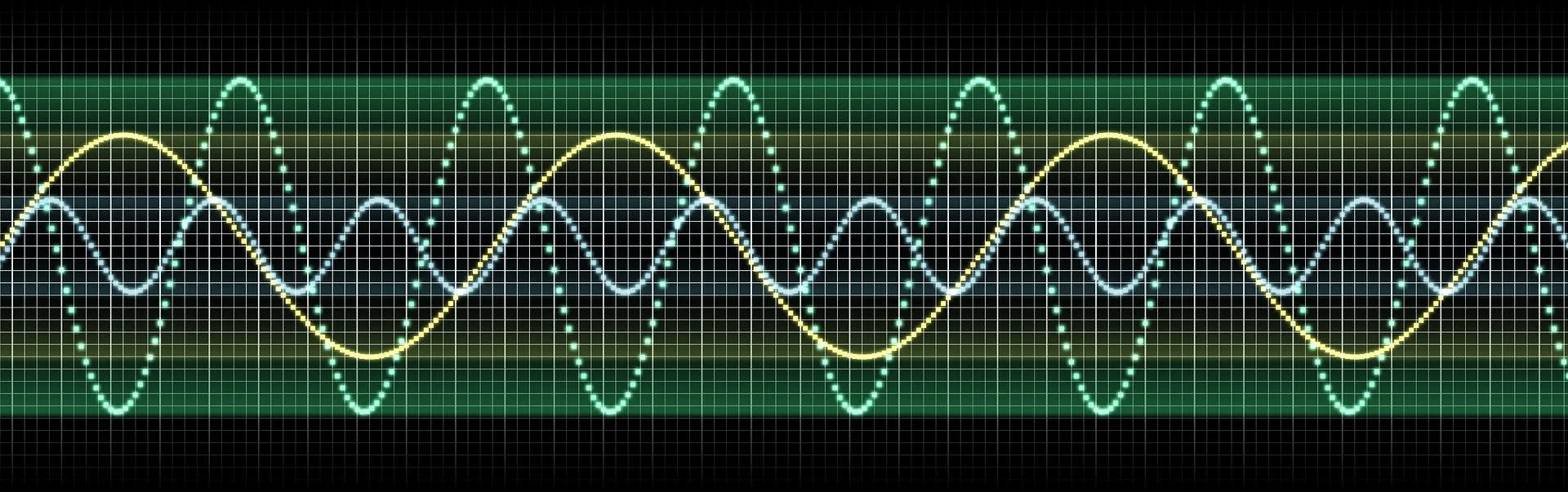
Sonification of data
After my opening at the Soprafina Gallery in Boston several years ago, friends invited me to dinner with an oncologist* and his wife. Over the meal, he told me about his research. He had access to mountains of data collected from patients over many years, and he and his team were struggling to mine it for patterns that might predict cancer. This was before artificial intelligence could handle such a task. He had resorted to color-coding the data. I told him he was heading for trouble.
Too many variables. Too many hues. And a good number of men are color blind. If he insisted on color, I suggested the Munsell system, which accounts for hue, value, and intensity, making it far more precise.
Then another thought occurred to me. I told him he might assign musical notes to different factors, and that when certain elements combined to signal the onset of cancer, the notes would form a dissonant chord. He could listen to his data instead of only looking at it, scanning for the places where the sound jarred. He seemed surprised, but I knew it made sense. Our ears are tuned to notice what doesn’t belong. A sour note will leap out of a phrase in a way that a misplaced color in a tangle of codes might not.
THE KING AND I: HOW THE VIEWER COMPLETES THE PAINTING
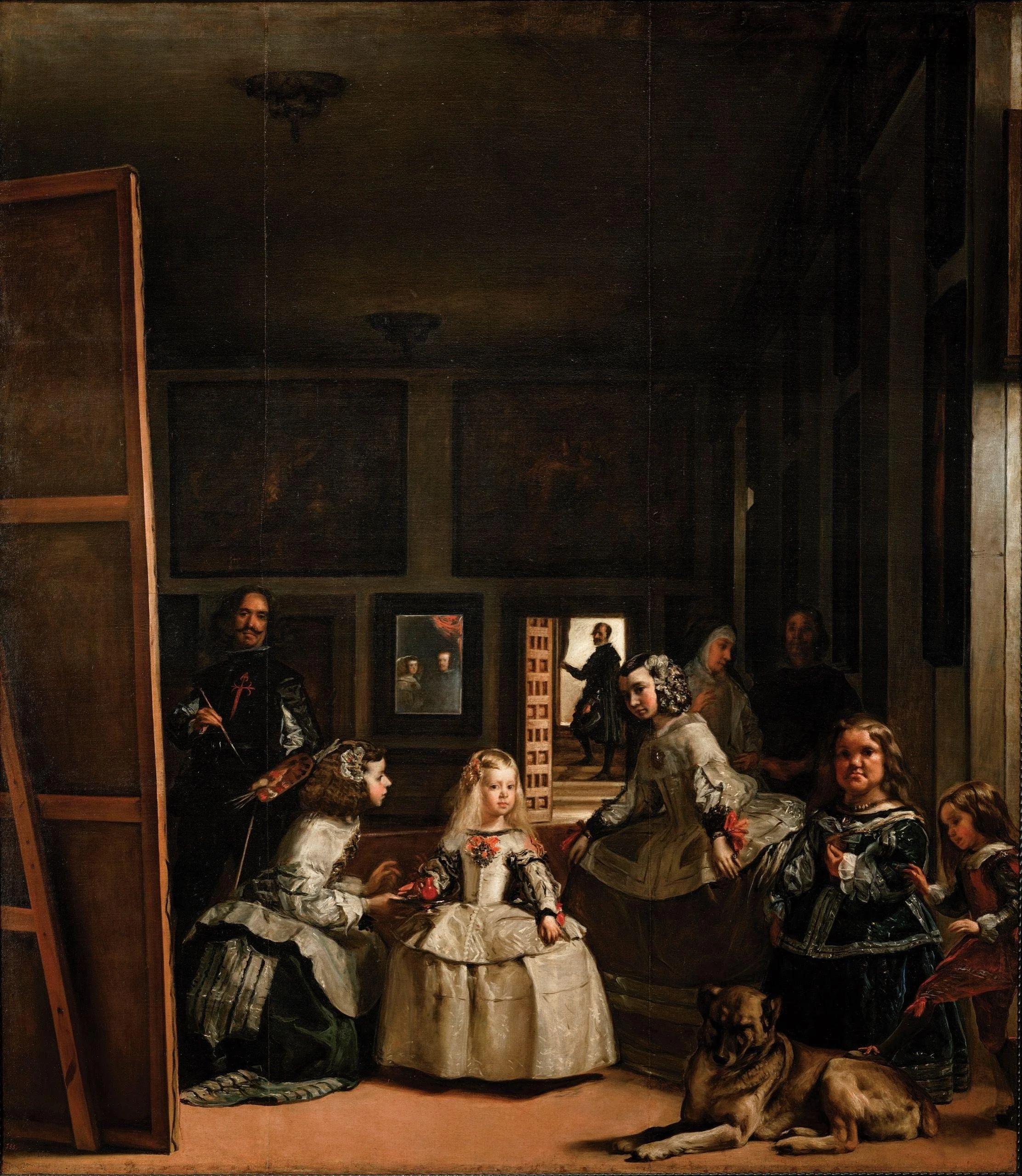
It wasn’t until I stood in front of Diego Velázquez’s Las Meninas that I understood that I, as the viewer, was the subject.
I had seen the painting countless times in reproduction. I knew the arguments, the diagrams, the mirror at the back of the room reflecting the king and queen. Intellectually, it all made sense. But none of that prepared me for the quiet, almost disorienting recognition that occurs when you are actually there, standing where the king and queen stood.
ALSO NEW THIS MONTH
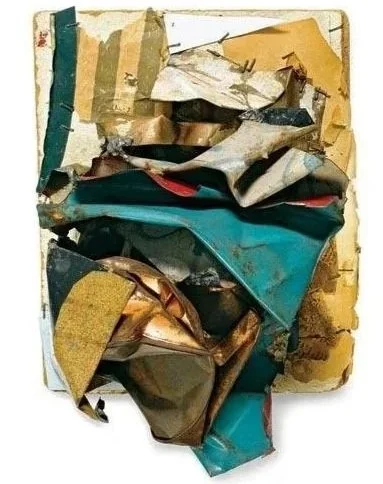
John Chamberlain: Lyricism Against Type
I was at the Colby College Museum of Art in Maine when I saw a John Chamberlain. I knew immediately what I was looking at. The compressed metal, the torque, the density—his vocabulary is unmistakable. I’ve carried a clear internal shorthand for years: crushed car parts, force, impact, a kind of sculptural aggression.
FROM THE LIBRARY: Jim Elledge’s biography,
HENRY DARGER, THROWAWAY BOY
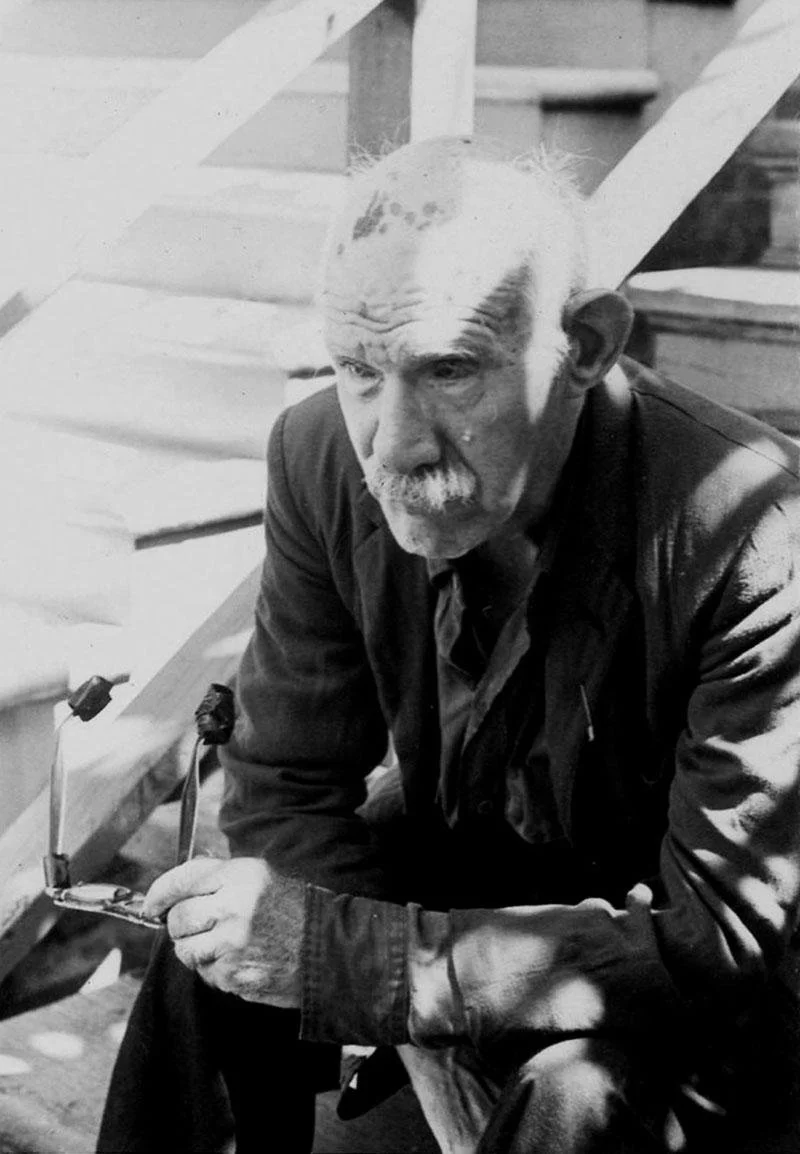
Jim Elledge’s biography Henry Darger, Throwaway Boy places Darger in the realities of his time and place. Darger was born in Chicago in 1892. His mother died when he was very young and his sister was put up for adoption. Darger was placed in Catholic schools and later in institutions for boys labeled “feeble-minded.” Conditions in those institutions could be harsh, routine, and authoritarian. There was little accountability and almost no space for a child to name his own experience, or to be believed when he did.
After escaping institutional life as a teenager, Darger lived most of his adult life in Chicago, working as a hospital janitor and dishwasher, unnoticed by the world. Nobody knew that in his rented room, he was creating a body of work of staggering scale and directness. He did not show the work to anyone. Only after his death did it come to light.
Viewed this way, Darger’s art is not a departure from life but its testimony. He did not tell us what happened. He showed it, in persistent scenes of children in extremis.
ON SCREEN: David Hockney: I AM A SPACE FREAK
David Hockney interviewed by Christian Lund, Louisiana Museum of Modern Art, 2011 Camera and edit by: Martin Kogi Produced by: Christian Lund Copyright: Louisiana Channel, Louisiana Museum of Modern Art, 2012
EXHIBITION: LUMINOUS COLOR
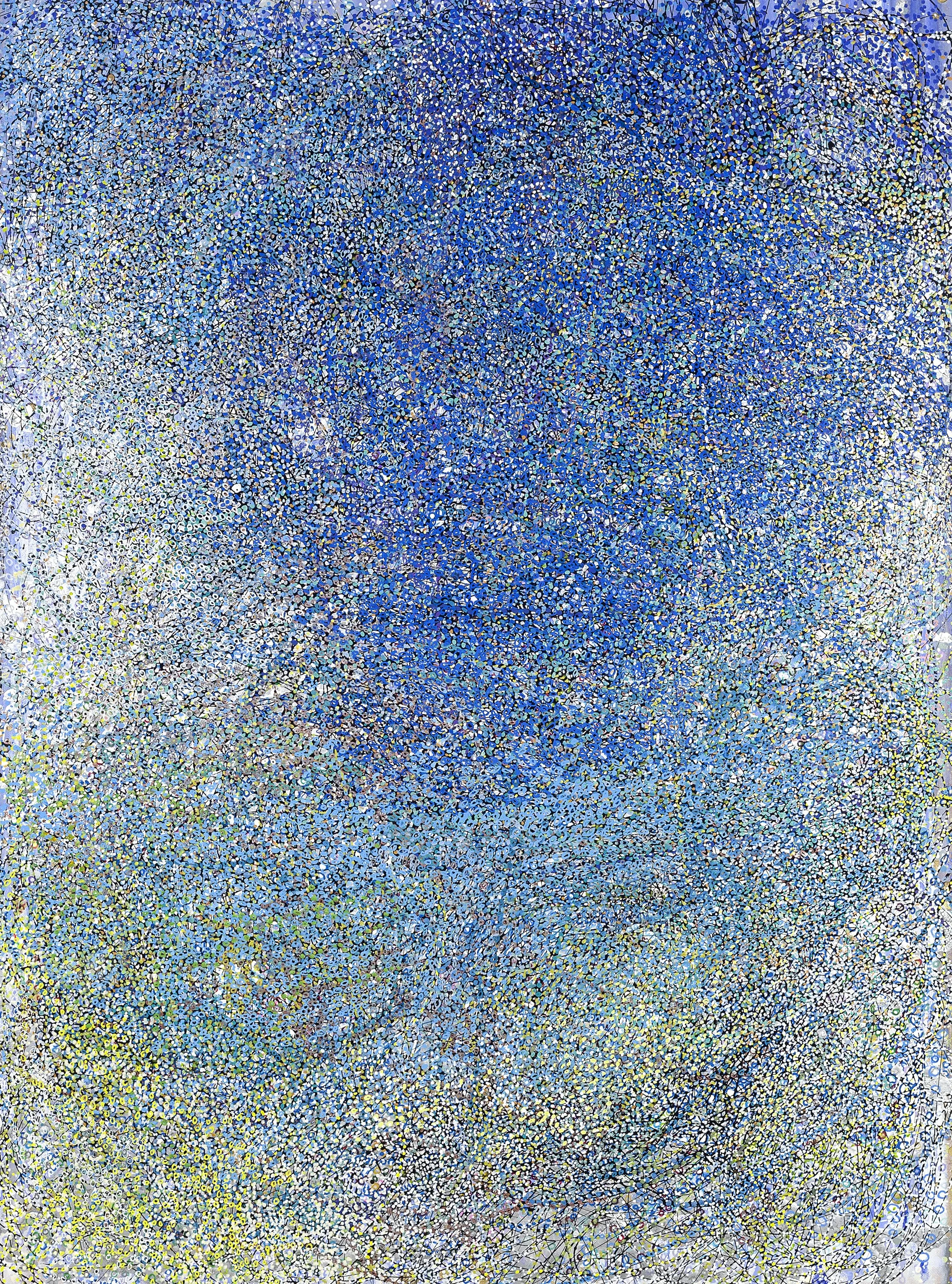
"Luminous River," 40 inches x 30 inches, oil paint and acrylic markers on canvas, © 2025 Leslie Parke
LAST WEEKS OF
LUMINOUS COLOR
LESLIE PARKE and STEVE EASTON
SATURDAY, 9 MAY 2026 -
SATURDAY, 13 JUNE 2026
JESSICA HAGAN FINE ART + DESIGN
Jessica Hagen Fine Art + Design
9A Bridge St.
Newport, Rhode Island
02840
jessica@jessicahagen.com
(401) 835-7682