
blog
ALL | ABOUT MY WORK | EVERYTHING ELSE

THE COUNCIL OF TEN: SECRECY, SURVEILLANCE, AND PUNISHMENT IN VENICE
Venice had a complicated system of government. Power was distributed among councils, committees and elected officials, all carefully arranged to prevent any one person from taking control.
Then, in 1310, a group of Venetian noblemen tried to overthrow it.
The conspiracy failed, but it frightened the ruling class badly enough that they created a special committee to investigate what had happened and make certain it did not happen again. It was called the Council of Ten because ten patricians were elected to serve on it. The name was slightly misleading. The doge and his six councillors also attended its meetings, making seventeen men in the room before any additional members were called in.
WHO REALLY RAN VENICE?
There is something misleading about the word republic.
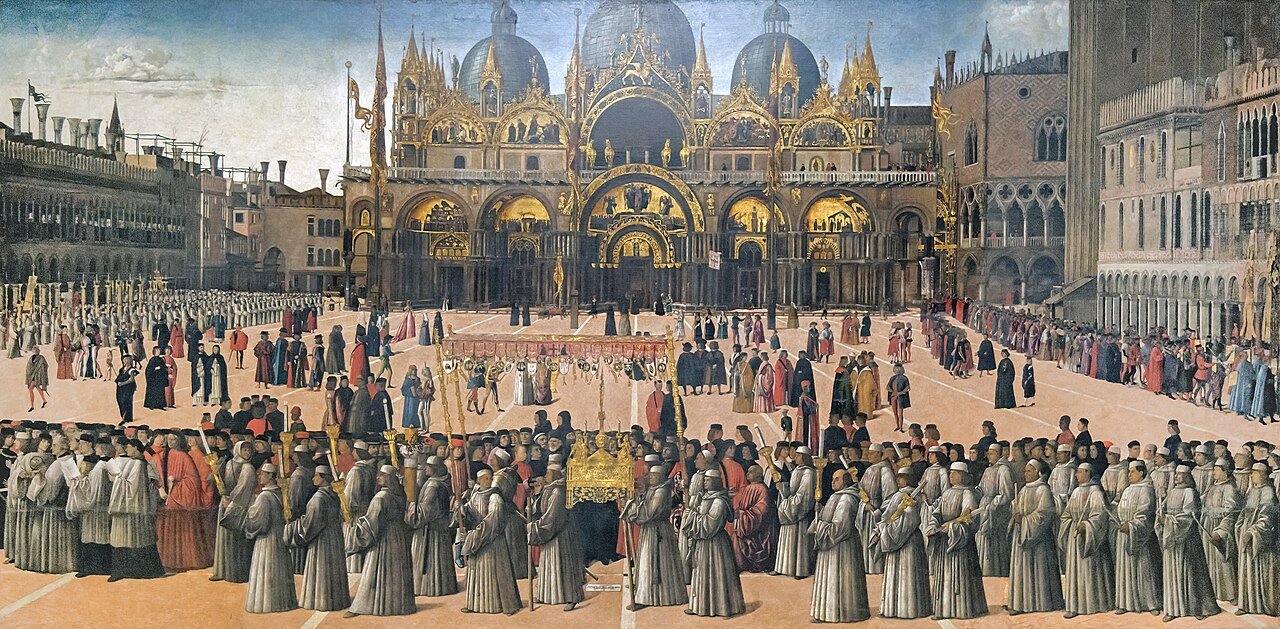
When we hear it, we tend to imagine citizens choosing their leaders. Venice certainly had citizens, and it was fiercely proud of not having a king. But during the years of Jacopo, Gentile and Giovanni Bellini, political power belonged to a relatively small group of hereditary patrician families. If you were born into one of those families, you had a place in the government. If you were not, wealth, talent and fame might bring you very close to power, but they would not give you a vote.
VENICE: AN IMPOSSIBLE CITY
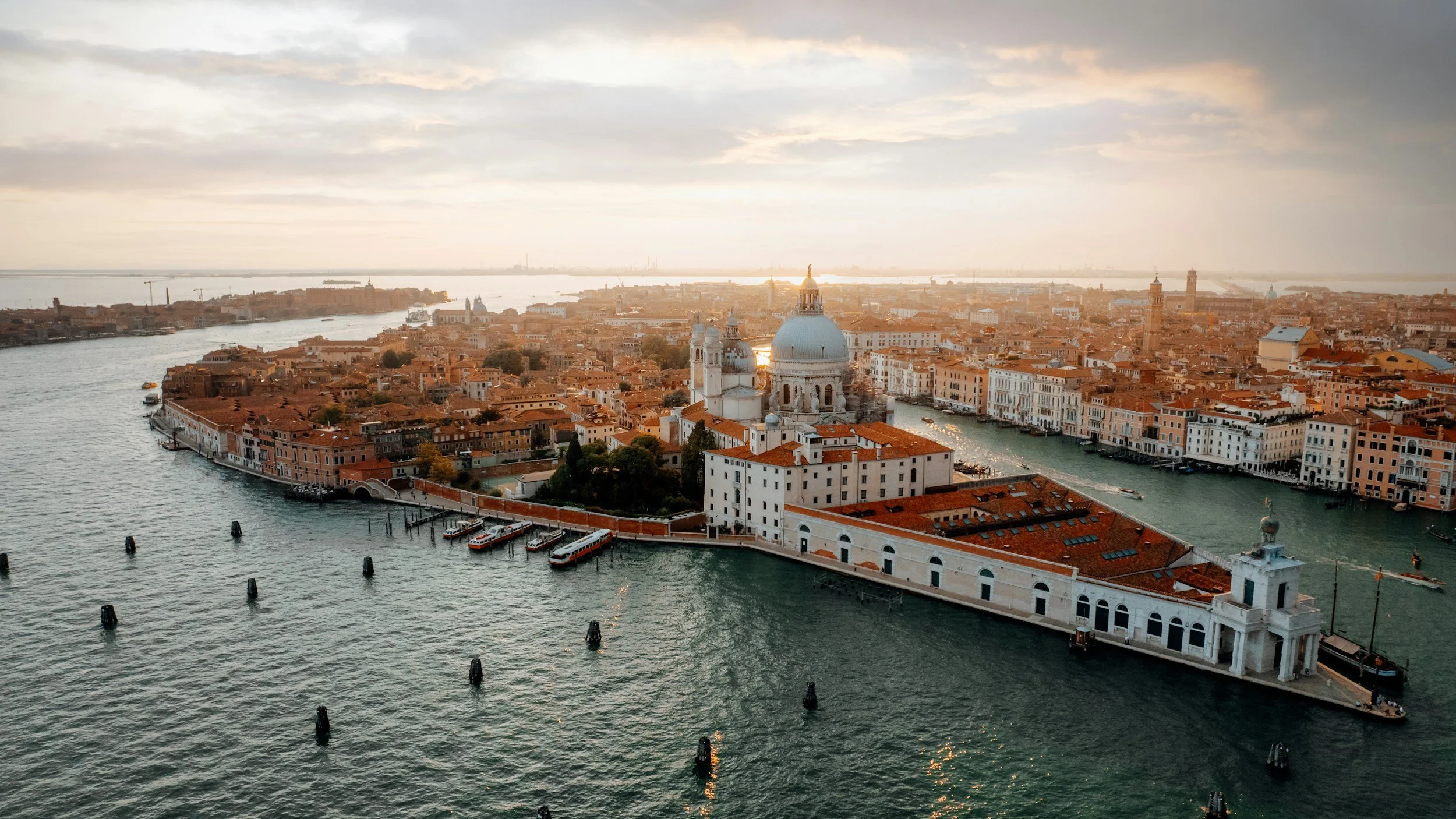
At first glance, Venice is an absurd place to build a city. There is almost no firm ground. The islands are low, muddy, and divided by tidal channels. The water is salt. Stone, timber, grain, fuel, and drinking water all have to come from somewhere else. A sensible person might have moved a few miles inland.
The people who became Venetians did the opposite.
By the time of the Bellinis, this unlikely settlement had become one of Europe's wealthiest and most powerful cities. It had spread across scores of small islands and commanded an extensive maritime empire. Venice prospered not despite the lagoon, but because of it. The same water that made the city difficult to build also made it difficult to attack. It connected Venice to the Adriatic and the eastern Mediterranean while keeping it just beyond the easy reach of mainland rulers.