
blog
ALL | ABOUT MY WORK | EVERYTHING ELSE
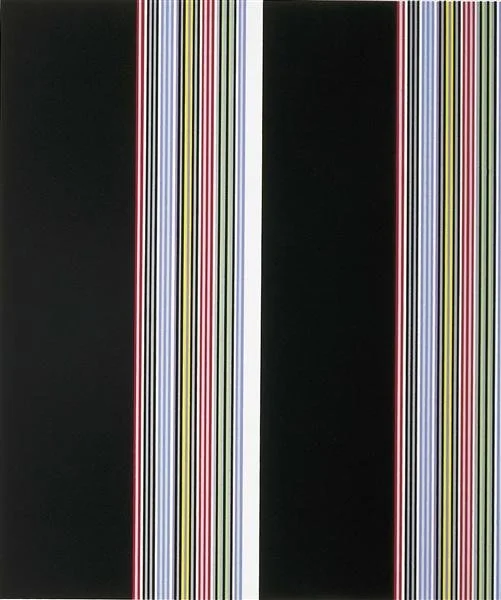
GENE DAVIS: PLAYING COLOR BY EYE
I had assumed that Gene Davis made nothing but stripe paintings. He did not. He began with drawings and Abstract Expressionist paintings and later made collages, micro-paintings, video, neon, and enormous outdoor works. But once he found the stripe in the late 1950s, it became his principal subject.
Subject is the word Davis himself used.
“I have very, very strong subject matter in my work, which is stripes,” he said. “A stripe is just as real as a goddamn flower.”
That gets us closer to the paintings. The stripe was not simply a device for arranging color. It was the thing itself.
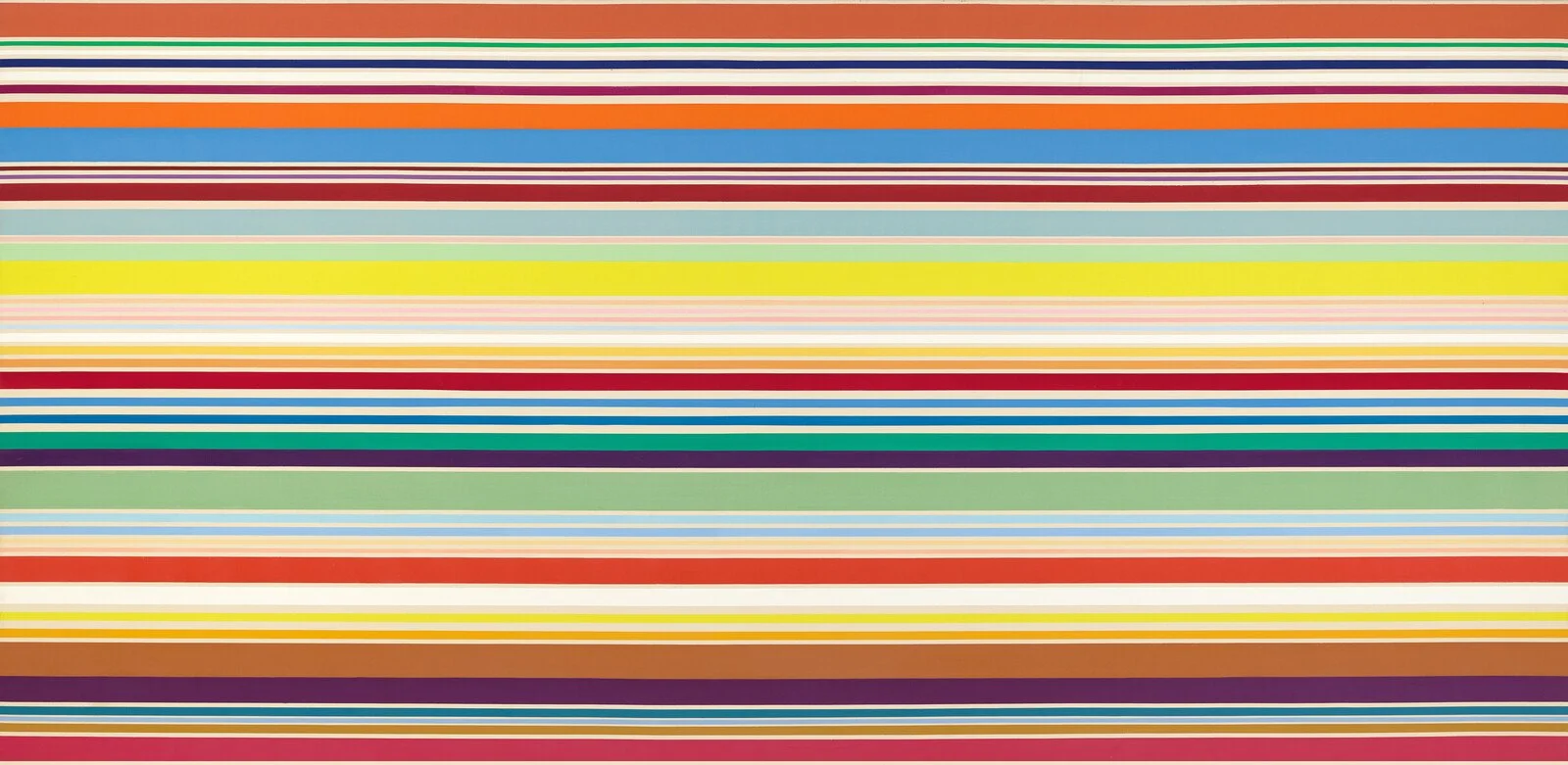
KEN NOLAND: WHEN COLOR MET COLOR
When I was a student at Bennington College, Kenneth Noland lived a few miles away in Shaftsbury, Vermont. He had nothing officially to do with the college while I was an undergraduate, but his presence was felt. Artists and critics who came to see him would sometimes turn up at Bennington—Larry Poons, Tony Caro, Clement Greenberg.
When I became a graduate student, Noland taught a course that I took. He was surprisingly practical. He talked about how we arranged our studios and how we dealt with all the things that pulled us away from the work. He was interested in the circumstances of being an artist: how you set things up so that you could keep painting.
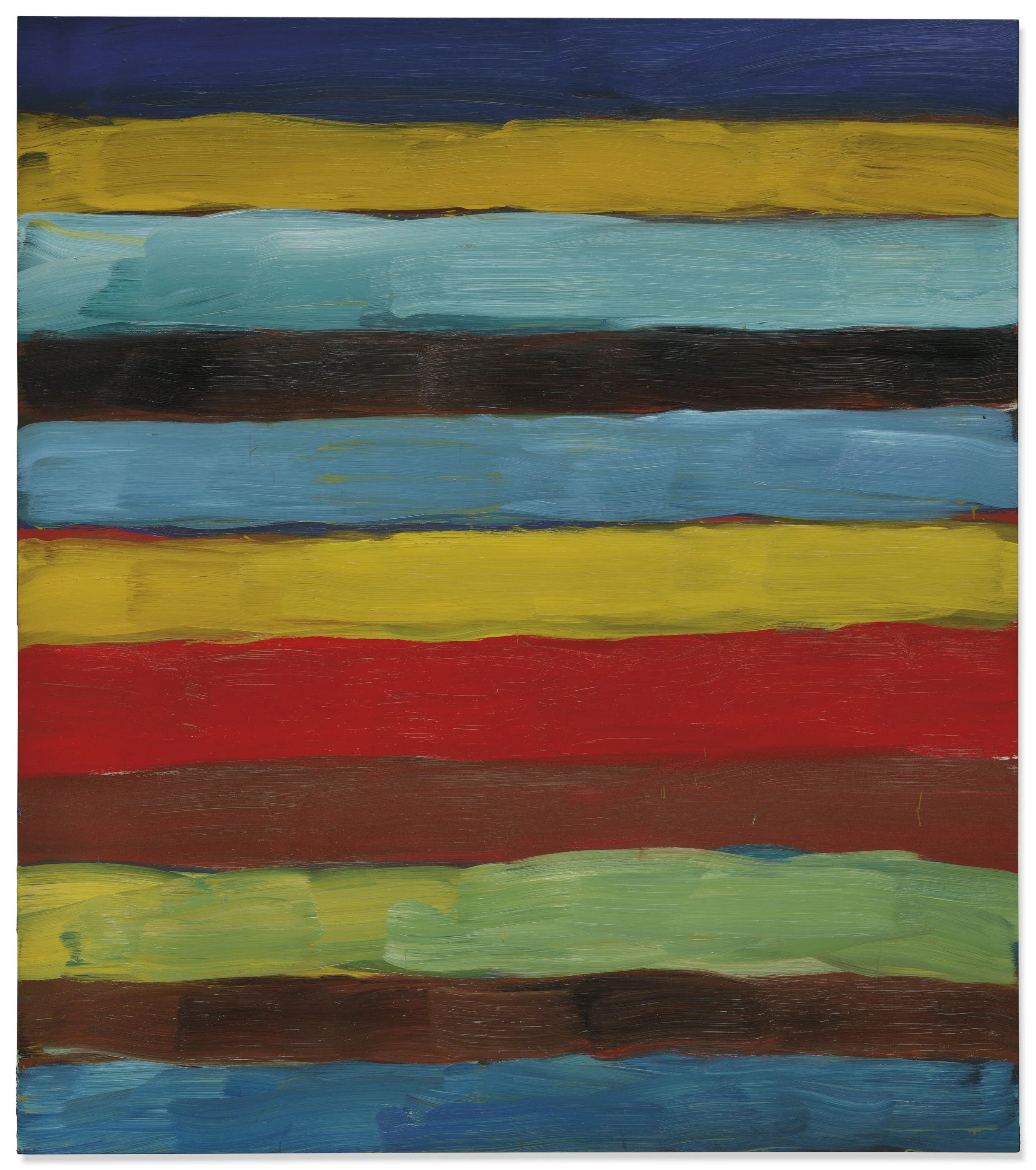
SEAN SCULLY AND THE PAINTED STRIPE
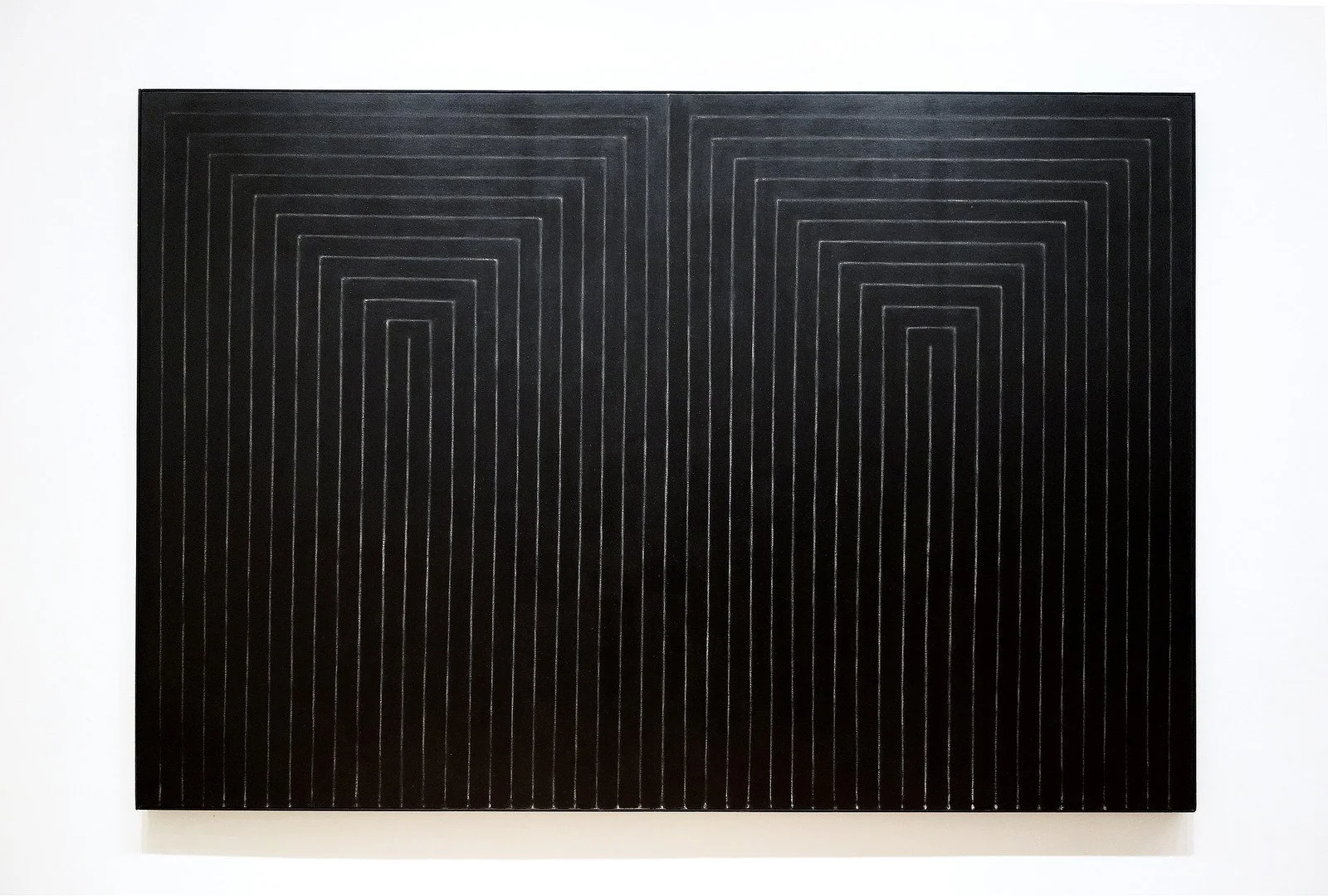
Frank Stella did not arrive at the stripe because he liked stripes.
He arrived at it because he was trying to solve a problem in painting.
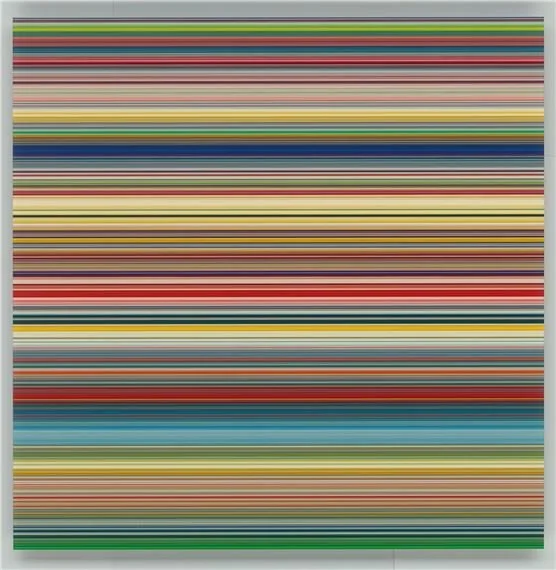
GERHARD RICHTER: THE REALITY OF PAINTING
Frank Stella did not arrive at the stripe because he liked stripes.
He arrived at it because he was trying to solve a problem in painting.
FRANK STELLA: WHAT THE STRIPE SOLVED
Frank Stella did not arrive at the stripe because he liked stripes.
He arrived at it because he was trying to solve a problem in painting.
AGNES MARTIN: PAYING ATTENTION
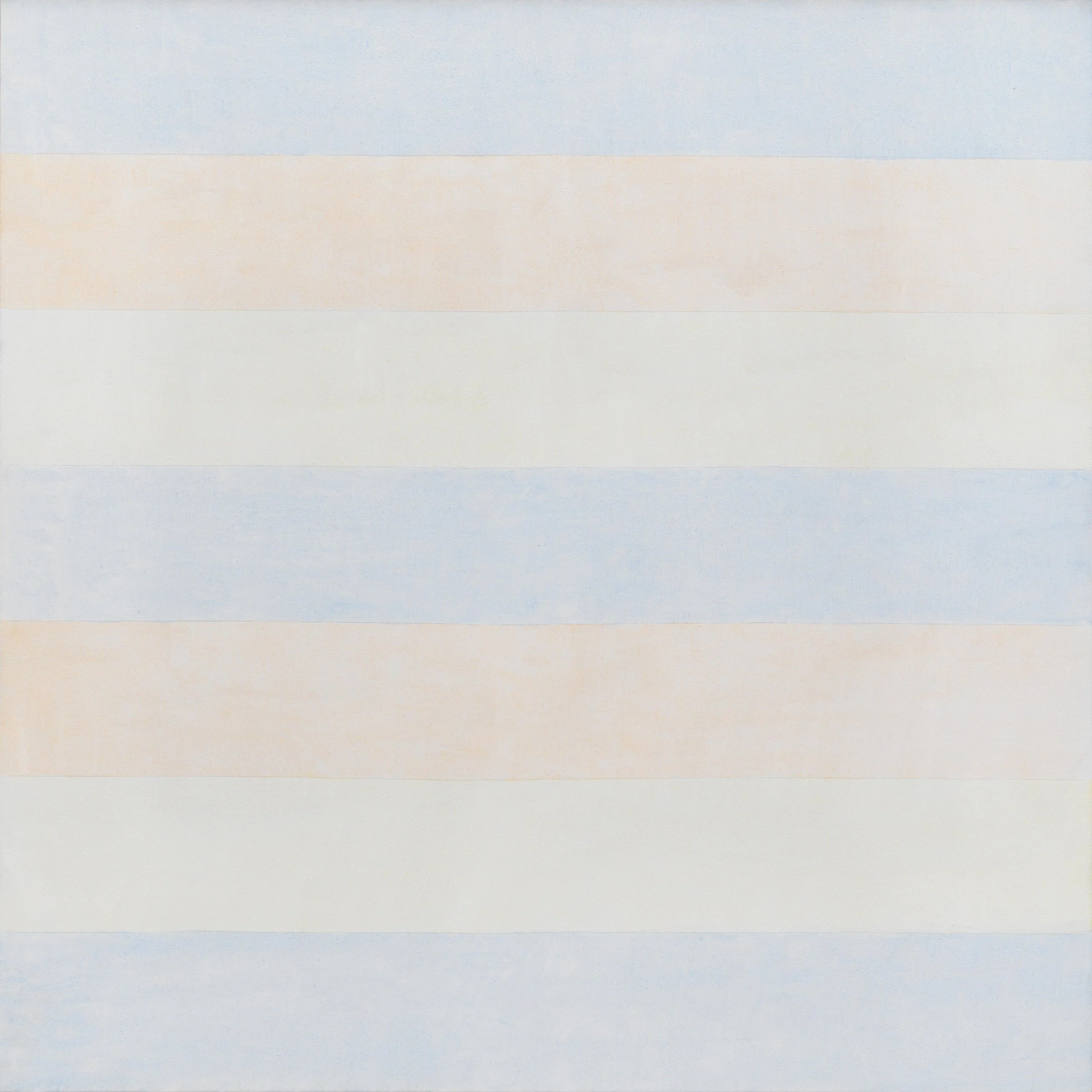
A million years ago, when I was in the Whitney Museum Independent Study Program, the program left New York City for what I believe was the only time and spent the summer in New Mexico. David Diao, Ron Clark, and a few others visited Agnes Martin.
What they may have thought would be a studio visit became something else.
Instead of taking them into the studio and showing them paintings, Martin took them on a long hike on a very hot day to see a remote tree she insisted they had to see.
BRIDGET RILEY: WHY THE STRIPES?
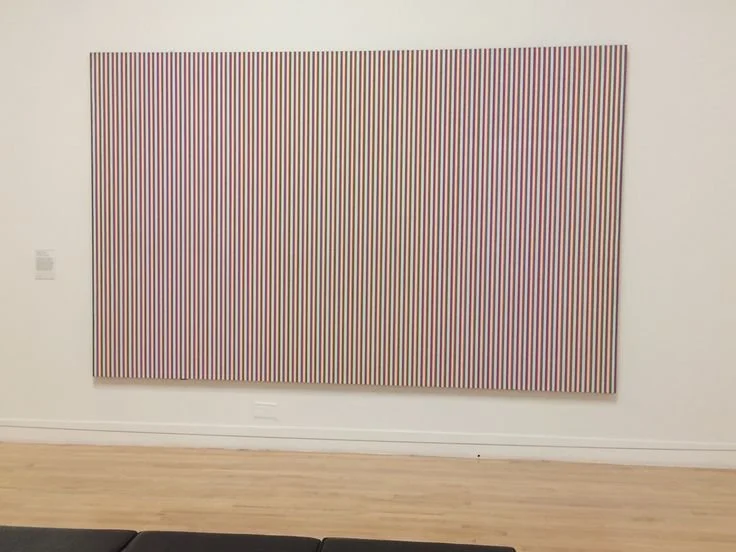
When people first encounter Bridget Riley's stripe paintings, they often assume the work is highly calculated. The stripes appear so precise, so controlled, that it is easy to imagine a system determining the outcome.
The reality is more interesting.
Riley was not trying to make a system. She was trying to understand color.
BARNETT NEWMAN AND THE ZIP
Standing in a parking lot in Maine, I saw the light glint off the chrome on a sports car's hood.
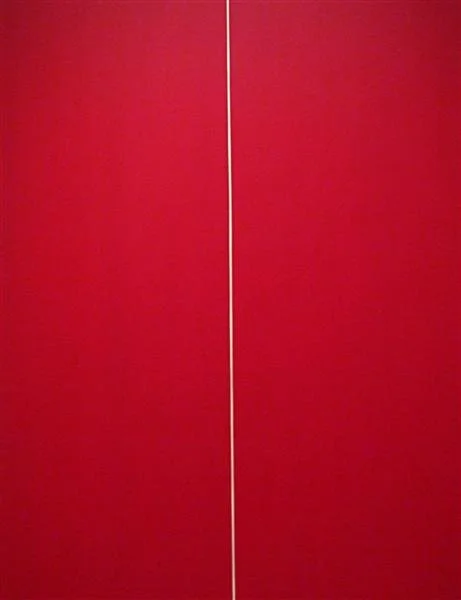
Of course, my first thought was Barnett Newman.
That may seem like an odd association, but Newman spent much of his career exploring the power of a single vertical stripe. He called it a "zip."
Once you become aware of Newman's zips, you start seeing them everywhere. In tree trunks. In telephone poles. In shafts of light. In the narrow gap between two buildings. In reflections running down a pane of glass.
Or in a strip of chrome running down the hood of a bright red sports car.