
blog
ALL | ABOUT MY WORK | EVERYTHING ELSE
GENTILE DA FABRIANO: THE ARTIST BEHIND THE BELLINI WORKSHOP
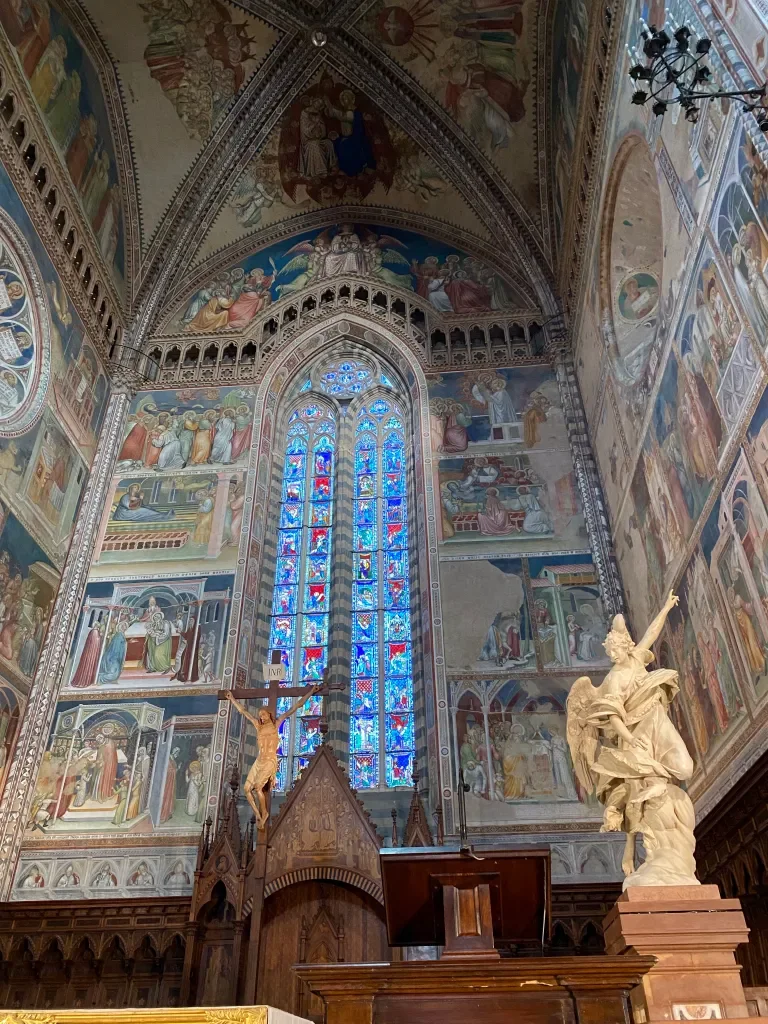
When Jacopo Bellini joined Gentile da Fabriano’s workshop, he wasn’t just learning to grind pigment and paint a hand. Gentile was one of the most successful artists in Italy, and for the next decade or more Jacopo followed him from city to city: Venice, Brescia, probably Fabriano, then Florence, and perhaps beyond. Gentile worked for Pandolfo Malatesta, lord of Brescia, for Palla Strozzi, one of the richest men in Florence, and in the end for the pope. Jacopo was learning to paint. He was also watching a man run an art business.
PISANELLO: THE OTHER HEIR TO GENTILE’S WORLD
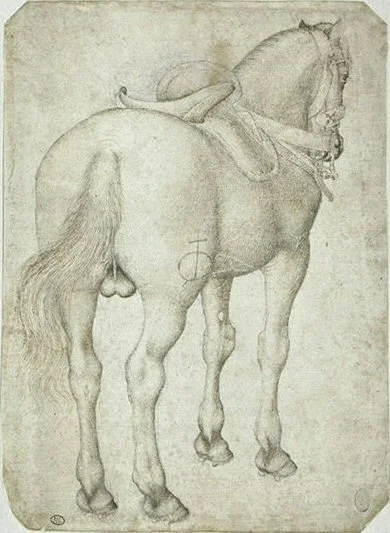
Scholars disagree about where Pisanello fits. Luke Syson and Dillian Gordon, who organized the National Gallery’s Pisanello exhibition in 2001, argue that he was Gentile’s pupil and then worked beside him in Venice on the great narrative cycle in the Hall of the Great Council. Keith Christiansen, Gentile’s biographer, wasn’t convinced. He thought the dates too murky to prove that Pisanello was a pupil, and he allowed that Pisanello may have been closer to a colleague. Jacopo, on the other hand, joined Gentile as a boy and stayed for years. Nobody can show that all three ever worked in the same room.
JACOPO BELLINI ARRIVES IN FLORENCE: THE FUTURE IS ALREADY THERE
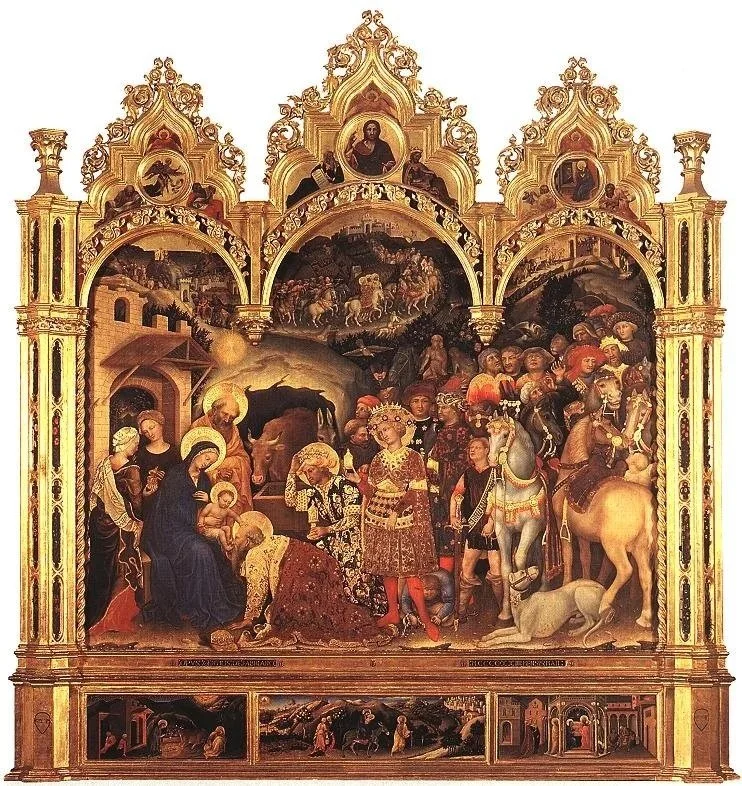
Back in 1419, when Gentile da Fabriano left Brescia with his young Venetian assistant, Jacopo Bellini, in tow, he wasn’t really headed to Florence. He was headed to the pope. Martin V, newly elected and not yet able to return to Rome, was living at Santa Maria Novella, and Gentile had promised to join him once he finished the chapel he was painting for Pandolfo Malatesta in Brescia. He made his way south by way of Fabriano, and by 1420 he had rented a house and workshop in Florence near Santa Trinita. The pope soon moved on to Rome. Gentile stayed, because Palla Strozzi made him an offer.
JACOPO BELLINI: FIGHT OR FLIGHT? HOW ABOUT BOTH
In June 1423, Jacopo Bellini was living in Gentile da Fabriano’s house in Florence, working on the most important commission of his master’s career. Then he got into a fight.
Paintings from the workshop had been set out to dry in the courtyard, and a group of boys started throwing stones at them. Jacopo went out to stop them. He singled out one, Bernardo, who was big enough that Jacopo took him for nearly grown. Words passed, Bernardo taunted him, and they came to blows. Bernardo later told the court that Jacopo had hit him on the arm with a wooden bat. It may well have been a fistfight that acquired a weapon somewhere between the courtyard and the courtroom. The real problem was Bernardo’s father, Silvestro, a Florentine notary with friends in the city’s courts.
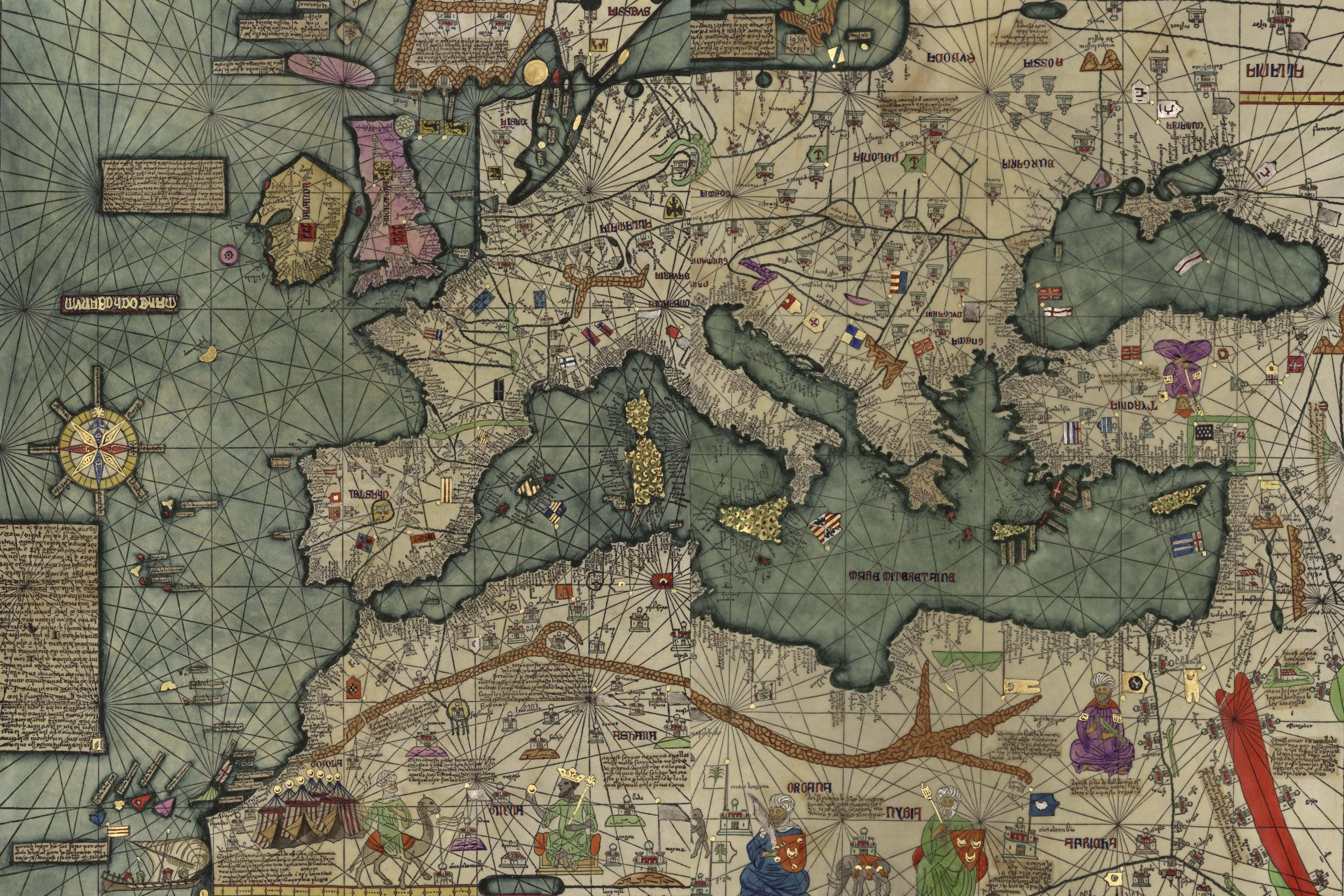
JACOPO ON BOARD: IMAGINING LIFE ON A GALLEY IN 1423
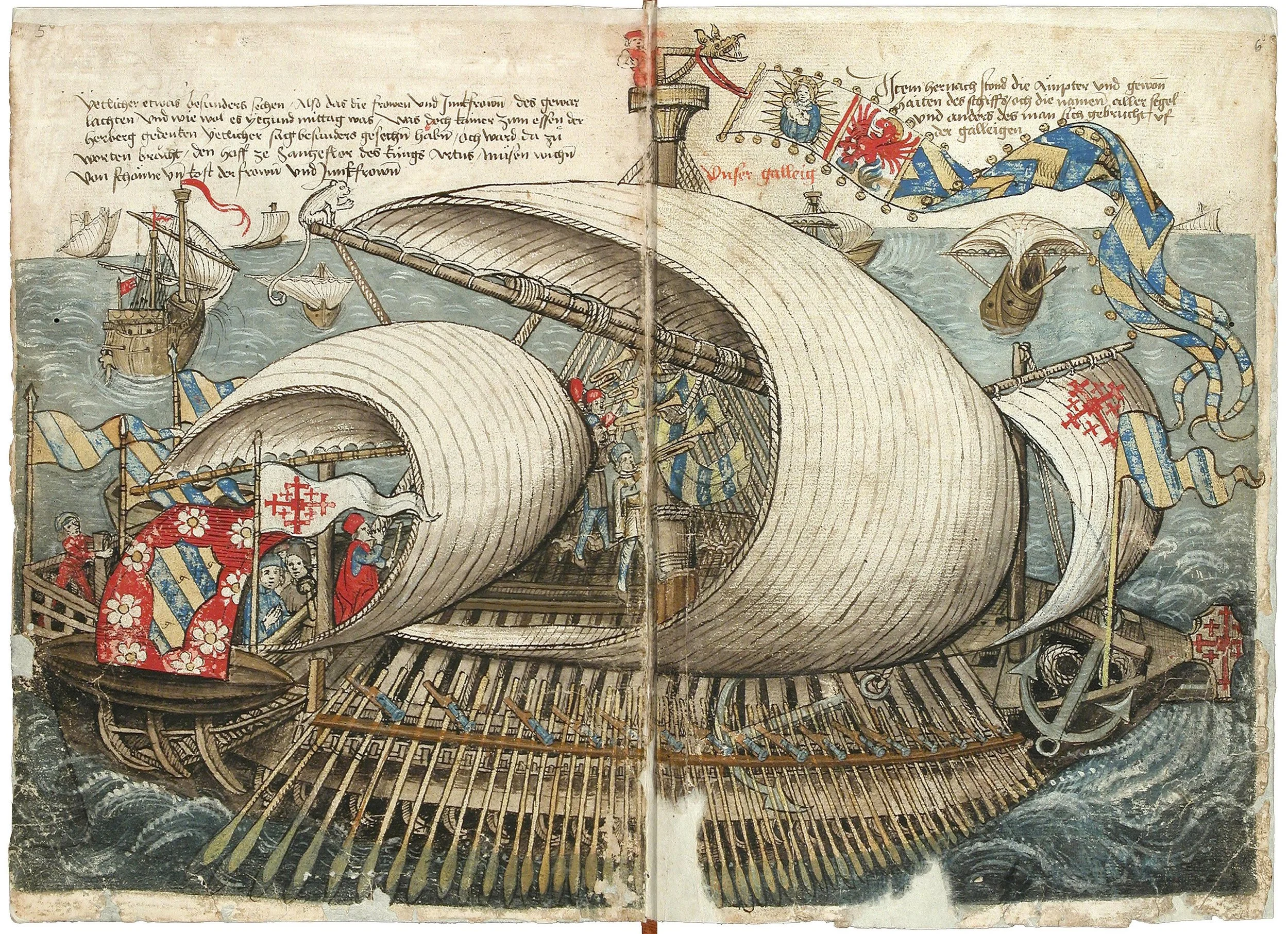
When Jacopo Bellini fled Florence in the summer of 1423 to avoid retribution over his fight with Bernardo (see Jacopo Bellini: Fight or Flight), he didn’t just catch a boat out of town. He signed on as a hired seaman in Florence’s brand-new merchant galley system, and he stayed in it, or somewhere close to it, for well over a year.
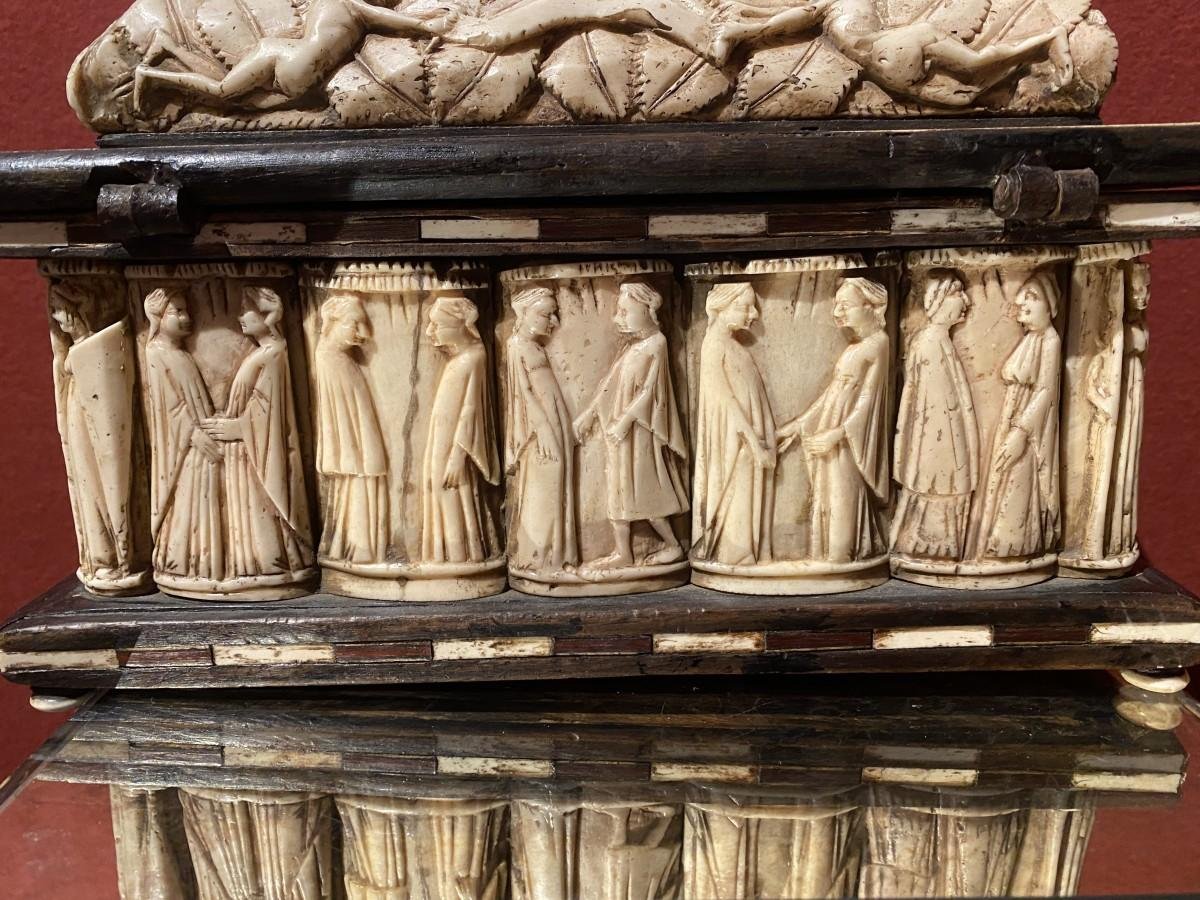
JACOPO COMES HOME: A DEAD FATHER, A BABY BROTHER AND A WIFE WITH 250 DUCATS
When Jacopo Bellini walked out of Le Stinche on Easter Sunday 1425, it wasn’t because someone had paid his fine. Florence let a few dozen prisoners go every Easter, and the city absorbed their debts and jail costs, but only the poorest and most wretched qualified. The provision that released Jacopo says it plainly: pauperrimus est. He is very poor. That was his ticket out.
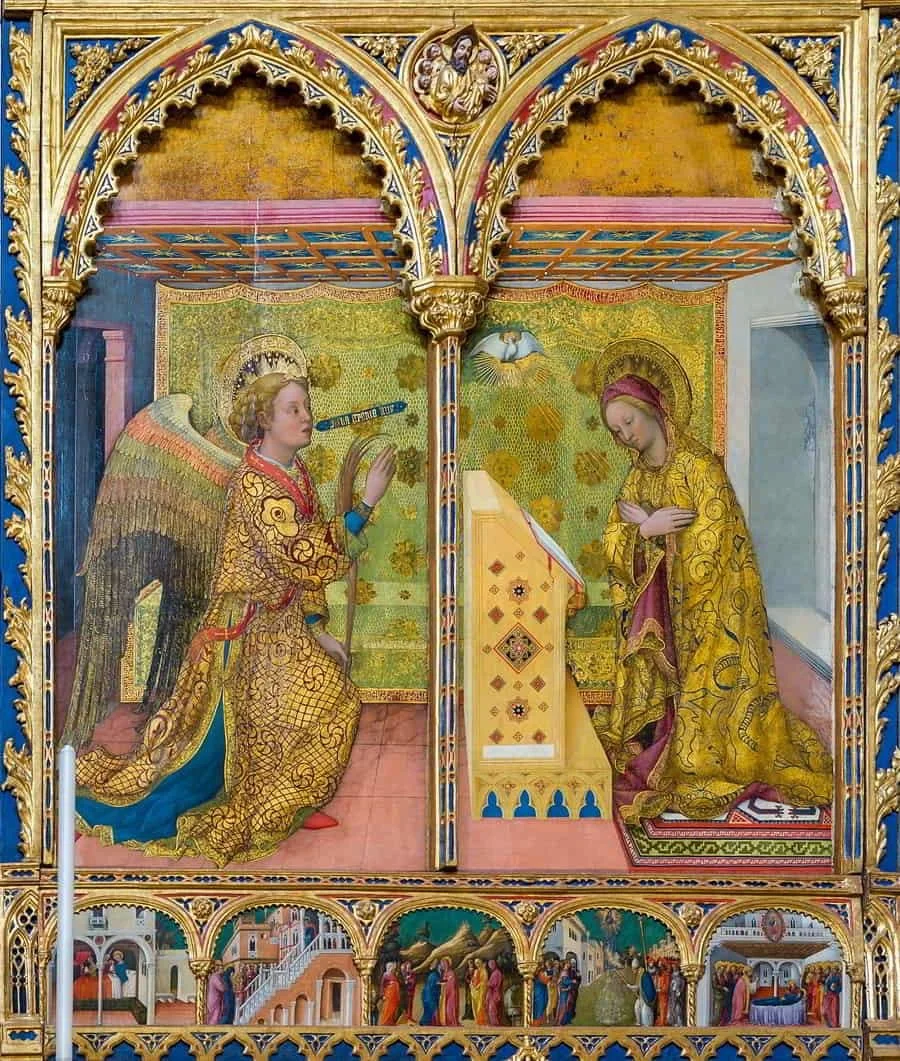
THE ROCKY BEGINNINGS OF THE BELLINI WORKSHOP
Jacopo Bellini came home to Venice with the best reference a painter could have: his apprenticeship with Gentile da Fabriano. There was just one problem. Venice was already full of Gentile. He had painted the walls of the Great Council Hall and run a workshop in town, and for twenty years Venetian painters had been helping themselves to his gold, his brocades and his sweet-faced Madonnas. The market was saturated with Gentile-like decoration. There was no room for another imitator, even a superior one.

THE COUNCIL OF TEN: SECRECY, SURVEILLANCE AND PUNISHMENT IN VENICE
Venice had a complicated system of government. Power was distributed among councils, committees and elected officials, all carefully arranged to prevent any one person from taking control.
Then, in 1310, a group of Venetian noblemen tried to overthrow it.
The conspiracy failed, but it frightened the ruling class badly enough that they created a special committee to investigate what had happened and make certain it did not happen again. It was called the Council of Ten because ten patricians were elected to serve on it. The name was slightly misleading. The doge and his six councillors also attended its meetings, making seventeen men in the room before any additional members were called in.

THE PAINTER AND THE SULTAN: How a Venetian Artist Walked into Another World and Never Quite Came Back
There is a portrait of Sultan Mehmed II in the National Gallery in London that has been nagging at me for years.
The first time I saw it, I was not thinking about diplomacy, trade, or the fall of Constantinople. I was looking at the painting itself.
The arch around the figure did not feel like ordinary Renaissance architecture to me. It felt like the edge of a manuscript page. The decorated cloth, the jewels, the gold, the contained darkness behind the Sultan, all of it seemed closer to ornament, calligraphy, and courtly display than to the kind of Venetian portrait I thought I knew.
Even the profile seemed to have crossed a border.
Something about the painting felt translated. Not wrong. More like a sentence spoken in another accent. The grammar was familiar, but something underneath it had shifted.

MATERIAL EVIDENCE: Bellini, Mehmed and What Paint Knows
After writing about Gentile Bellini’s portrait of Sultan Mehmed II, I found myself asking a different question.
Not who commissioned the painting.
Not why Bellini was sent to Constantinople.
Not even whether he had been looking at Persian and Ottoman miniatures.
I wanted to know how the picture was made.